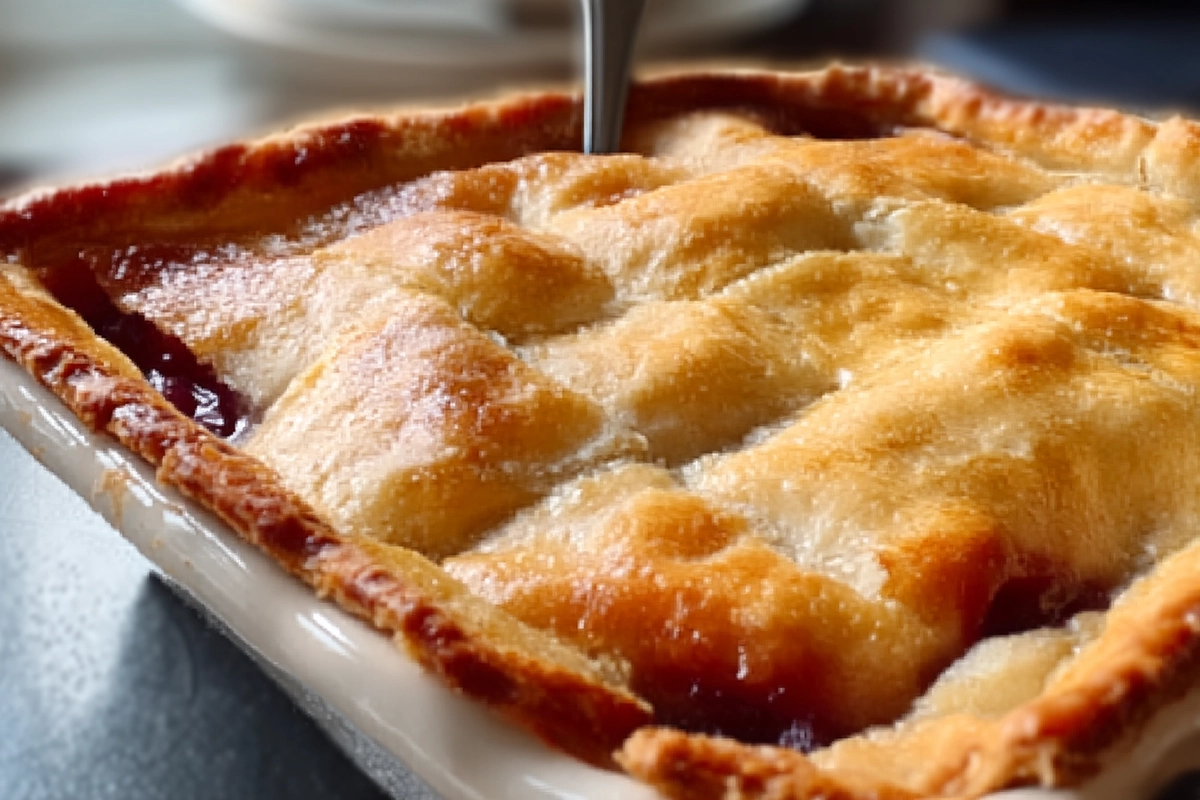
Let’s be honest. There’s something special about a dessert that brings back memories of simpler times. Hillbilly Pie, also known as Poor Man’s Pie, is one of those recipes. It’s not about fancy ingredients or complicated steps. Instead, it’s all about comfort, tradition, and the charm of stretching what you have into something sweet and satisfying.
This classic pie became popular during tough times when every household ingredient had to count. Yet, the flavor and heart behind it have stood the test of time. In this guide, we’ll explore every angle of this humble pie—where it came from, what goes into it, and how you can enjoy it today.
Introduction to Hillbilly Pie
Overview
Hillbilly Pie—sometimes called Poor Man’s Pie—is a vintage dessert with deep roots in American history. It’s a prime example of how families created flavorful meals with minimal resources. During the Great Depression, when budgets were tight and pantries sparse, creative cooks leaned on pantry staples to make something sweet. This pie was born from that very need.
Unlike many traditional pies, this one doesn’t require a crust or complicated filling. Instead, it’s built from basic items like flour, sugar, butter, and milk. Some versions include a fruit topping, while others rely on caramelized sugar for their flavor. No matter the version, it always brings a warm and buttery bite that hits the spot.
And yes—despite the name, there’s no shame in it. That’s what gives it its charm. This pie tells a story. A story of family, resilience, and the joy of sharing even the simplest food with loved ones.
Purpose of the Article
The goal here is more than just giving you a recipe. Sure, we’ll break down how to make it—but we’ll also go deeper. You’ll learn about the pie’s background, the ingredients that give it character, and the variations that people across the country have come to love.
This is a full journey into the world of Poor Man’s Pie, perfect for anyone who:
-
Loves old-fashioned desserts
-
Wants to bake on a budget
-
Enjoys comfort food with a story
Plus, we’ll cover how to serve it, keep it fresh, and even tweak it to fit your style. If you’re looking to reconnect with the past—or just want a no-fuss treat—Hillbilly Pie is it.
Ready to dig in? Let’s start by uncovering where this sweet tradition began.
The Origins of Hillbilly Pie
The Great Depression Era
Back in the 1930s, times were hard. Money was tight. Families had to make meals from whatever they had in the pantry. This is where Hillbilly Pie, or Poor Man’s Pie, came in. It used cheap, basic items—like flour, sugar, and butter.
People needed comfort food, but they couldn’t afford much. This pie gave them something sweet without using eggs, fancy fillings, or store-bought crusts. It was filling, warm, and easy to make. For many, it felt like a small luxury during tough times.
This dessert was more than just food. It was a sign of resourcefulness. A reminder that even the simplest things could bring a little joy.
Regional Significance
Poor Man’s Pie became popular in the South and Appalachian regions. These were areas where self-reliance and home cooking were part of daily life. Families shared recipes by word of mouth or passed them down through hand-written notes.
In those places, this pie wasn’t just dessert. It was tradition. Something made for Sunday suppers, potlucks, or whenever the pantry was low.
Over time, different regions gave it their twist. Some added fruit fillings. Others used brown sugar or spices. But the heart of the recipe stayed the same—simple ingredients, big flavor.
You can still find versions of this pie today in Southern kitchens and comfort food blogs. Many cooks still swear by the original, no-frills method.
Evolution Over Time
As cooking tools and ingredients became easier to find, the recipes evolved. People started adding things like vanilla, cinnamon, or fruit filling. But even with updates, the pie stayed true to its roots.
Today, Hillbilly Pie is making a quiet comeback. In a world of over-the-top desserts, this one stands out for its honest charm. It’s also perfect for new bakers or anyone on a budget.
That’s part of what makes this pie so loved—it doesn’t try to be fancy. It just tastes good.
Up next, we’ll go through what you need to make this classic at home and show how easy it is to pull together.
Ingredients and Preparation
Traditional Ingredients
You don’t need much to make Hillbilly Pie. That’s the beauty of it. Most items are already in your kitchen. The classic recipe calls for just a few basics.
Main ingredients:
-
Self-rising flour
-
Granulated sugar
-
Unsalted butter
-
Milk
These four items make the base of the pie. Some versions add extras for more taste.
Optional extras:
-
Fruit pie filling (like cherry or peach)
-
A splash of vanilla extract
-
A pinch of cinnamon or nutmeg
Some folks like to add a little flavor twist. Others keep it plain and simple. Both ways work just fine.
This simple list is one reason why this pie is still popular. Even if your pantry is low, you can probably still bake it.
It shows how a few ingredients can make a rich and sweet dessert.
Step-by-Step Preparation Guide
Preheating and Preparation
Start by setting your oven to 350°F (175°C).
Next, place a stick of butter in your baking dish.
Put the dish in the oven just until the butter melts.
Then, take it out and set it aside.
Mixing the Batter
Grab a bowl.
Add one cup of flour, one cup of sugar, and one cup of milk.
Stir until the mix is smooth. No lumps.
This is your batter. It’s thin, but that’s okay.
Assembling the Pie
Pour the batter into the dish—right over the melted butter.
Don’t stir. Let it sit as it is.
If you’re adding fruit filling, spoon it gently on top.
Don’t mix it in. The batter will rise as it bakes.
This layering is what gives the pie its special texture. The fruit sinks a bit. The batter puffs up. Magic happens.
Baking Instructions
Put the dish back in the oven.
Bake for about 30 to 40 minutes.
Check when the top turns golden brown.
A toothpick in the center should come out clean.
Let it cool for 10 minutes before serving. The inside will set as it cools.
That’s it. No crust. No fuss. Just a soft, sweet pie that feels like home.
In the next part, we’ll look at all the fun ways people have changed this pie over time. Some are old family secrets. Others are just creative spins on a classic.
Variations and Adaptations
Regional and Personal Twists
Even simple recipes get a little makeover now and then. Hillbilly Pie is no different. While the base is always easy, people like to add their touch. Some changes come from local habits. Others are passed down in families.
Amish Poor Man’s Pie
The Amish community has its take. They use brown sugar instead of white sugar. This gives the pie a deep, sweet flavor. They also add evaporated milk, which makes the filling creamy.
It’s just as easy but with a rich and sticky middle.
Vinegar Pie
Here’s a twist you might not expect—vinegar. It sounds odd, but it works. Just a splash helps balance the sweetness. The taste doesn’t scream vinegar. Instead, it adds a sharp note that cuts through the sugar.
This version is popular in older Southern cookbooks.
Dump Cake Style
Another fun take is the dump-cake method. It skips mixing. Just pour the batter, butter, and filling straight into the pan. No stirring. No fuss.
As it bakes, the layers form on their own. The result? A soft, gooey pie with crisp edges.
It’s great for busy days or when you don’t feel like measuring too much.
Other Add-Ins
Want to play around? Here are a few simple swaps and additions:
-
Use peaches, blueberries, or apples for different fillings.
-
Add a dash of cinnamon or nutmeg.
-
Stir in chopped nuts for texture.
-
Top with a sprinkle of brown sugar before baking.
No matter how you change it, the heart of the pie stays the same. It’s still sweet, easy, and warm.
And that’s the beauty of it. You can make it your own without messing it up. In the next part, we’ll go over how to serve it and how to keep it fresh.
Serving Suggestions and Storage
Enhancing the Experience
Hillbilly Pie is best served warm. Right out of the oven, it’s soft and cozy. Let it cool for a few minutes first. This helps it set a little. The flavors also settle in better.
Want to make it extra special? Try these simple toppings:
-
A scoop of vanilla ice cream
-
A spoonful of whipped cream
-
A sprinkle of cinnamon or powdered sugar
Each adds a little something extra. But even plain, this pie hits the spot.
Some people like to serve it with fresh fruit on the side. Others drizzle it with a touch of honey or maple syrup. Again, there’s no wrong way to enjoy it.
Keep it simple. That’s the charm of this dish.
Storage Guidelines
Got leftovers? No problem.
Let the pie cool fully. Then, cover it tightly with plastic wrap or foil. Store it in the fridge. It will stay good for up to 3 days.
To warm it up again, pop a slice in the microwave for 15 to 20 seconds. Or use the oven at 300°F for 10 minutes. It’ll taste almost as fresh as when you baked it.
If you want to freeze it, you can. Wrap it well and store it for up to one month. When you’re ready, thaw it in the fridge first. Then, reheat and serve.
This pie is great for making ahead. You can bake it the night before and warm it up when needed. It’s a smart choice for family dinners, gatherings, or even weekday treats.
Coming up, we’ll look at the nutrition side—what’s in each slice and how to enjoy it mindfully.
Nutritional Information
Understanding the Nutritional Content
Hillbilly Pie is a treat. It’s sweet, rich, and full of comfort. But it’s also good to know what’s in each bite. That way, you can enjoy it while still being mindful.
Caloric Breakdown
A small slice has about 250 to 350 calories. The exact number depends on your ingredients. Adding fruit or sugar toppings can increase the count.
Butter and sugar bring most of the calories. But they also give the pie its soft texture and sweet taste.
Macronutrient Composition
Here’s a basic breakdown of what’s in one slice:
-
Carbohydrates: high, mainly from sugar and flour
-
Fats: Medium to high, depending on the amount of butter used
-
Protein: low, since there’s no egg or meat
This pie is not low-carb or high-protein. But it’s meant to be a small indulgence.
Dietary Considerations
Do you have food allergies or restrictions? Here are some things to keep in mind:
-
Use dairy-free butter and milk if needed
-
Choose gluten-free flour if you are avoiding wheat
-
Skip toppings like whipped cream if avoiding dairy
You can also reduce the sugar if you want something lighter. Try using fruit fillings that have no added sugar.
This pie isn’t meant to be a health food. But with small tweaks, it can still fit into many diets.
And honestly, sometimes comfort matters more than numbers. Just enjoy it in moderation, and you’re good to go.
Next, we’ll answer some of the most common questions about this classic pie. From baking tips to ingredient swaps, we’ve got you covered.
Frequently Asked Questions
Common Queries About Hillbilly Pie
People love this pie for its simplicity. But they still have questions. Let’s answer the most common ones.
Can I use margarine instead of butter?
Yes, you can. Butter gives a richer taste. But margarine works, too. Just use the same amount.
Is fruit filling required?
No, it’s not. The pie tastes great with or without it. If you’re short on fruit, skip it. The batter alone makes a nice crust and soft middle.
Can I make it without a crust?
Absolutely. This pie makes its crust while baking. That’s one reason it’s so easy.
How do I know it’s fully baked?
Look for a golden top. Stick a toothpick in the center. If it comes out clean, it’s ready. It should also jiggle just a little, not too much.
Can I freeze the pie?
Yes. Cool it first. Then wrap it tightly. You can freeze it for up to one month. Thaw it in the fridge before reheating.
Can I make it ahead of time?
Definitely. Bake it a day early. Store in the fridge. Warm it up before serving. The flavor might even improve the next day.
What size dish should I use?
An 8×8 or 9×9-inch baking dish works well. Too big, and the pie will be thin. Too small, and it may overflow.
Can I use different sugars?
Yes. Brown sugar adds depth. White sugar keeps it light. Use what you have or mix both.
This pie is flexible. It works with many changes. That’s why it’s stuck around for so long.
Conclusion
Hillbilly Pie is more than just dessert. It’s a piece of history. A dish born from hard times, yet full of heart.
People made it when money was low. But it still brought joy. That’s the beauty of it. Simple food. Big comfort.
This pie shows how a few pantry items can become something special. No crust needed. No fancy tools. Just mix, pour, and bake.
Over time, the recipe has changed. People add fruit, spices, or toppings. But the soul of the dish stays the same. Easy. Sweet. Homey.
It’s perfect for beginners, busy cooks, or anyone wanting a warm treat. You don’t need to be a pro to make this pie taste great.
Whether you use the classic version or try a twist, you’re keeping a tradition alive. A slice of Hillbilly Pie is like a warm hug. It’s humble. It’s honest. And it’s always welcome at the table.
Print
Hillbilly Pie (Poor Man’s Pie): A Nostalgic Dessert That Warms the Soul
5 Stars 4 Stars 3 Stars 2 Stars 1 Star
No reviews
- Author: Amanda Hartwellen
- Total Time: 45 minutes
- Yield: 6–8 servings 1x
- Diet: Vegetarian
Description
Hillbilly Pie, also known as Poor Man’s Pie, is a traditional dessert born from hard times like the Great Depression. Made with just a few pantry staples—flour, sugar, milk, and butter—it forms a rich, custard-like layer with a self-forming crust. It’s simple, nostalgic, and comforting, often topped with fruit for extra sweetness.
Ingredients
Base Recipe:
-
1 cup self-rising flour
-
1 cup granulated sugar
-
1 cup milk
-
1/2 cup (1 stick) unsalted butter
Optional Add-ins:
-
1 teaspoon vanilla extract
-
1/2 teaspoon ground cinnamon or nutmeg
-
1 cup of fruit pie filling (cherry, peach, apple, etc.)
Instructions
-
Preheat the oven to 350°F (175°C).
-
Place the butter in an 8×8 or 9×9-inch baking dish. Let it melt in the oven.
-
In a bowl, mix flour, sugar, and milk. Stir until smooth. Add vanilla and spices if using.
-
Pour the batter into the baking dish over the melted butter. Do not stir.
-
Spoon fruit filling gently on top, if using. Let it rest naturally—do not mix.
-
Bake for 30–40 minutes or until the top is golden brown and a toothpick comes out clean.
-
Let cool for 10 minutes before serving.
Notes
The batter forms its own crust while baking.
You can swap butter for margarine if needed.
For a richer flavor, use brown sugar or add a splash of cream.
Fruit is optional and customizable.
- Prep Time: 10 minutes
- Cook Time: 35 minutes
- Category: Dessert
- Method: Baked
- Cuisine: American