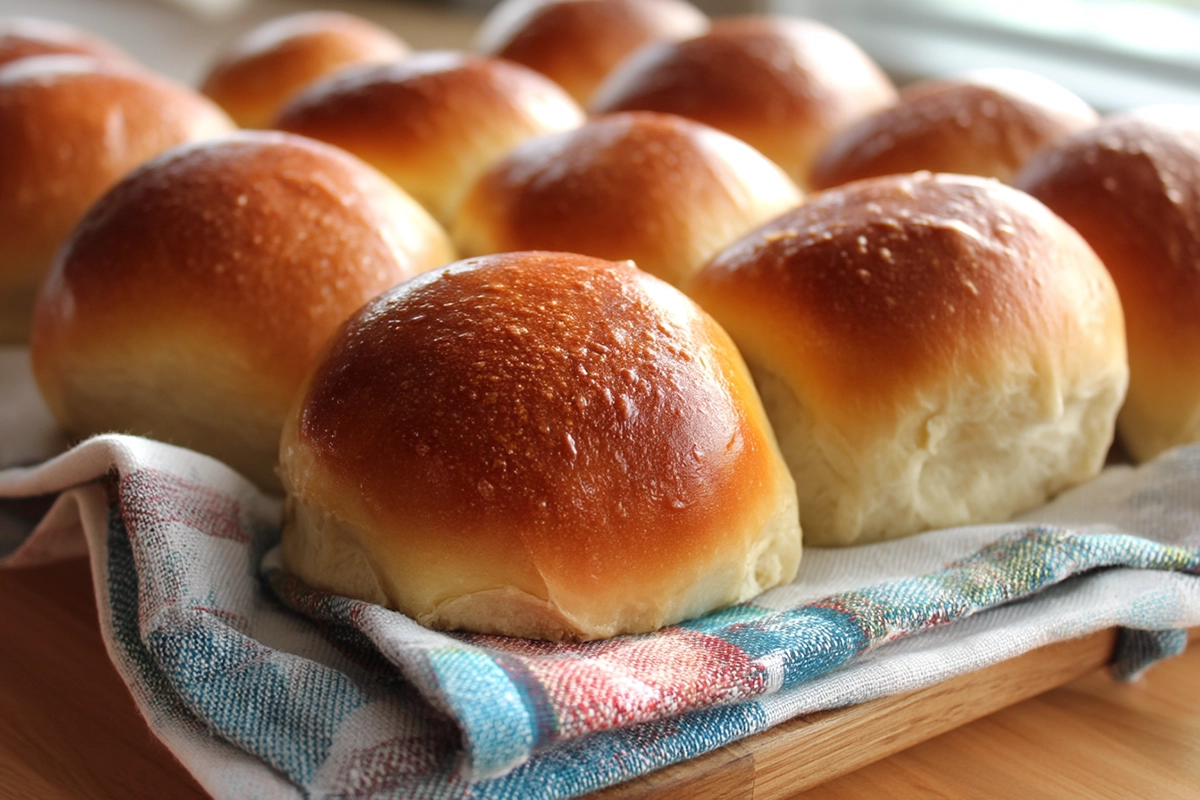
Dinner rolls, with their golden, fluffy exteriors and soft, airy interiors, are a comforting part of any meal. Whether you’re preparing a special dinner or enjoying a cozy weeknight meal, dinner rolls are the perfect side to complement your main course. From classic recipes to unique variations, the world of dinner rolls offers endless possibilities. In this guide, we’ll dive deep into the best dinner rolls, explore their origins, and offer tips and tricks to create the perfect rolls every time.
Introduction
The Importance of Dinner Rolls in Culinary Traditions
Dinner rolls have been a staple in various culinary traditions for centuries. Their popularity transcends cultures, from American holiday tables to European dinner gatherings. These soft, pillowy rolls not only bring warmth and comfort to the table but they also serve as a perfect canvas for all kinds of toppings.
Whether you slather them with butter, dip them into savory soups, or make them the base for a hearty sandwich, dinner rolls elevate any meal. Their humble simplicity makes them a timeless choice in many kitchens around the world. For many families, dinner rolls are a sign of love, tradition, and togetherness.
Overview of Different Types of Dinner Rolls
From the classic dinner roll to innovative twists, there are many varieties to explore. Classic recipes often rely on yeast, butter, and flour to create a soft, airy texture. However, there are also alternative versions that incorporate unique ingredients like sourdough, sweet potatoes, and gluten-free flour.
In this guide, we’ll walk you through the top recipes, from the traditional to the more adventurous ones. You’ll also discover various techniques to ensure your rolls turn out perfect every time, regardless of which recipe you choose to follow.
This introduction sets the stage for a deep dive into dinner rolls, examining their cultural significance and exploring the variety of rolls you can try at home. Stay tuned as we explore the most beloved and mouthwatering recipes!
Classic Dinner Roll Recipes
Classic dinner rolls are the heart and soul of many meals. They are simple, soft, and delicious—perfect for any occasion. In this section, we’ll focus on some timeless dinner roll recipes that have been loved for generations. Each one has its special twist, but they all share one thing in common: their irresistible fluffiness.
Parker House Rolls
History and Origin
Parker House rolls have been around for centuries. These famous rolls were created at the Parker House Hotel in Boston in the 19th century. The story goes that they were invented by a chef who wanted to make rolls with a soft, buttery flavor and a fold in the middle.
Recipe Overview
Parker House rolls are known for their buttery finish and soft, pillowy texture. The dough is made with yeast, butter, and milk, which gives these rolls a rich taste. They are shaped by folding the dough in half, giving them a unique appearance and an extra-soft texture when baked.
Baking Tips
To get the best results, make sure to let your dough rise properly. Don’t rush the process! This ensures the rolls will be airy and light. When baking, brush the tops of the rolls with melted butter for an extra golden finish.
Soft and Fluffy Dinner Rolls
Key Ingredients
The key to soft and fluffy dinner rolls lies in the ingredients. You’ll need yeast, flour, milk, butter, and a little sugar to make the dough. The right balance of these ingredients gives you the soft texture that everyone loves.
Step-by-Step Preparation
Start by activating the yeast with warm water and a bit of sugar. Let it sit until it becomes bubbly. Then, mix the yeast with the dry ingredients, followed by adding butter and milk. Knead the dough until it’s smooth and elastic, then let it rise. After it doubles in size, form the dough into small rolls and bake until golden brown.
Serving Suggestions
These rolls are perfect for any meal. Serve them warm with a dollop of butter, or use them to scoop up soup or gravy. They’re also great for making mini sandwiches.
Garlic Parmesan Pull-Apart Rolls
Flavor Profile
Garlic Parmesan pull-apart rolls bring bold flavors to the table. With a buttery garlic sauce and a sprinkle of Parmesan cheese, these rolls are packed with flavor in every bite.
Preparation Method
The process for making these rolls is similar to that of traditional rolls but with a savory twist. After preparing the dough, brush each roll with a garlic-butter mixture and top with Parmesan and Italian seasoning. When baked, the rolls pull apart easily, making them perfect for sharing.
Pairing Ideas
These rolls are perfect with pasta dishes or as a side to salads. They also pair wonderfully with grilled meats or as an appetizer to get the meal started.
This section has highlighted a few of the classic dinner roll recipes that are a hit in kitchens everywhere. Each one brings something unique to the table, from the buttery folds of Parker House rolls to the savory goodness of garlic Parmesan pull-apart rolls. Try them all and enjoy the delicious results!
Innovative and Unique Variations
While classic dinner rolls are always a hit, sometimes it’s fun to try something a little different. In this part, we’ll explore some innovative twists on the traditional dinner roll. These variations use unique ingredients and methods to add new flavors and textures to your bread basket.
Sourdough Milk Bread Rolls
Combining Sourdough and Milk Bread Techniques
Sourdough and milk bread may seem like an unusual combination, but together, they create a deliciously soft roll with a tangy twist. The sourdough starter gives the rolls a light, airy texture, while the milk adds richness.
Recipe Highlights
To make these rolls, you’ll need a sourdough starter, milk, flour, and yeast. The dough is mixed and left to rise for several hours, allowing the sourdough flavors to develop. After the dough has risen, shape the rolls and bake until golden brown.
Flavor and Texture Characteristics
These rolls are tender on the inside, with a slight tang from the sourdough. The milk keeps them soft and moist, making them a perfect addition to any meal. The balance of flavors is subtle but delightful.
Gluten-Free Dinner Rolls
Ingredients Used
For those with gluten sensitivities, gluten-free dinner rolls are a fantastic alternative. These rolls use gluten-free flour, xanthan gum, and yeast to create a dough that rises and bakes like traditional rolls. While the texture may be slightly different, they’re still soft and delicious.
Baking Process
Gluten-free dough behaves a bit differently than regular dough, so it’s important to follow the recipe closely. The dough may not rise as high, but it will still produce light, airy rolls when baked. Be sure to use a good gluten-free flour blend to ensure the best results.
Taste and Texture Comparison
These rolls are just as soft and flavorful as their gluten-filled counterparts. The taste is mild, so they can pair well with any meal. While the texture may be a bit denser than traditional rolls, they’re still a fantastic option for those avoiding gluten.
Sweet Potato Yeast Rolls
Incorporating Sweet Potatoes
Sweet potatoes aren’t just for pies! In these rolls, sweet potatoes bring a natural sweetness and soft texture to the dough. The addition of mashed sweet potatoes helps keep the rolls moist and tender while adding a subtle flavor.
Recipe Details
To make sweet potato rolls, you’ll need mashed sweet potatoes, yeast, butter, flour, and milk. The dough is mixed and allowed to rise before being shaped into rolls and baked. The sweet potatoes give the rolls a beautiful orange color and a sweet, comforting flavor.
Nutritional Benefits
These rolls not only taste amazing but also provide extra nutrients. Sweet potatoes are packed with vitamins and fiber, making these rolls a healthier alternative without sacrificing taste.
In this section, we’ve explored some exciting variations of dinner rolls. From the tangy flavors of sourdough milk bread rolls to the rich sweetness of sweet potato rolls, these unique twists will add new depth to your breadbasket. Don’t be afraid to try something new and experiment with these creative options!
Regional and Cultural Specialties
Dinner rolls can be found in many parts of the world, each region offering its twist on this beloved bread. In this section, we will dive into some regional and cultural specialties that bring unique flavors and textures to the table. These rolls not only reflect local traditions but also show the diversity of bread-making around the globe.
Onion Rolls
Cultural Significance
Onion rolls are a popular choice in many parts of the world. In the United States, they are often served at delis or as a side to hearty meals. The addition of onions brings a savory depth to the dough, making these rolls a perfect complement to meats and cheeses.
Traditional Recipe
To make onion rolls, finely chopped onions are caramelized before being mixed into the dough. The dough itself is soft and slightly sweet, which balances the savory flavor of the onions. These rolls are usually brushed with butter before baking, adding a golden, shiny finish.
Serving Suggestions
Onion rolls are great on their own or served alongside soups and sandwiches. They’re also fantastic for making sliders or as a base for a cheese sandwich.
Hawaiian Sweet Rolls
Origin and Popularity
Hawaiian sweet rolls have a rich, buttery flavor that makes them stand out. These rolls originated in Hawaii and became popular in many other parts of the world. Their sweet, soft texture makes them a favorite for any meal, especially holiday dinners.
Sweet and Soft Texture
What sets Hawaiian rolls apart is their sweetness. The dough is made with pineapple juice, giving the rolls a light and tropical flavor. The rolls are soft and tender, almost like little pillows of sweetness.
Perfect Pairings
Hawaiian sweet rolls go well with almost anything. They’re great with barbecued meats and sandwiches or even served as a side at Thanksgiving or Christmas meals. Their sweet flavor also makes them perfect for breakfast with a bit of butter or jam.
Brioche Buns as Dinner Rolls
Richness of Brioche
Brioche is a rich, buttery bread that’s often used for making buns. When turned into dinner rolls, it offers a luxurious, slightly sweet flavor and an incredibly soft texture. The addition of eggs and butter creates a tender, melt-in-your-mouth experience.
Recipe Adaptation
To make brioche dinner rolls, you simply adapt the traditional brioche dough. The dough is mixed, kneaded, and allowed to rise before being shaped into rolls. After baking, the rolls develop a golden brown color and a soft, fluffy interior.
Serving Ideas
Brioche dinner rolls are perfect for more formal meals or when you want to add a touch of luxury to your dinner. They pair wonderfully with roasts, grilled vegetables, and even soups. The sweetness of the brioche complements both savory and sweet dishes.
This section has highlighted some unique regional and cultural specialties that elevate dinner rolls. From the savory richness of onion rolls to the sweet and soft texture of Hawaiian rolls, each of these variations brings something new to the table. Try them out and explore the diverse world of dinner rolls!
Baking Techniques and Tips
Baking the perfect dinner roll takes more than just following a recipe. It requires understanding the techniques that make rolls soft, fluffy, and golden. In this part, we will cover some baking tips and methods that will help you get the best results every time you make dinner rolls. These techniques are easy to follow and will ensure your rolls turn out just right.
The Tangzhong Method for Soft Rolls
Explanation of Tangzhong
The Tangzhong method is a technique that helps make bread softer and fluffier. It involves cooking a portion of the flour and water into a thick paste before adding it to the rest of the dough. This paste helps to keep the bread moist for a longer time.
Benefits of Bread Making
Using Tangzhong creates a soft and tender texture that lasts longer. It also helps the dough rise better, making the rolls more fluffy. If you want rolls that stay fresh and soft for days, this method is a great option.
How to Incorporate into Recipes
To use Tangzhong, simply mix a small amount of flour and water in a saucepan, cook it over low heat until it thickens, and then add it to your dough mixture. You’ll see the difference in texture after baking!
Using Sourdough Starter in Dinner Rolls
Advantages of Sourdough Starter
A sourdough starter adds a unique flavor to your rolls. It also helps the dough rise naturally, without needing extra yeast. The lactic acid bacteria in the starter give the rolls a subtle, tangy taste and a chewy texture.
Adjustments in Recipes
When using a sourdough starter, you’ll need to adjust your recipe slightly. You’ll have to account for the flour and water already present in the starter. This means you may need to reduce the amount of flour or liquid in your dough to balance it out.
Flavor Development
The sourdough starter enhances the flavor of the rolls over time. As the dough rises, the natural fermentation process deepens the taste, giving you rolls that have a richer, more complex flavor than regular yeast rolls.
Ensuring Gluten-Free Rolls Don’t Compromise on Texture
Common Challenges
Baking gluten-free rolls can be tricky. Without gluten, the dough doesn’t have the same stretch and elasticity, which can make the texture dense or crumbly. But with the right techniques, you can still get soft and light gluten-free rolls.
Ingredient Substitutions
To make gluten-free rolls, use a good gluten-free flour blend. Be sure to add xanthan gum to help the dough hold together. Some recipes also use eggs or psyllium husk to improve the texture.
Baking Strategies
When baking gluten-free rolls, you may need to bake them a little longer than regular rolls. Also, consider using a steam bath in the oven to keep the rolls moist as they bake. This trick helps them rise better and stay tender.
In this section, we’ve covered important baking techniques that can take your dinner rolls to the next level. Whether you use the Tangzhong method for extra softness or a sourdough starter for deeper flavor, these tips will help you create rolls that everyone will love. Just remember, a little patience and attention to detail go a long way in bread baking!
Frequently Asked Questions (FAQs)
Here are some common questions about making dinner rolls. These answers will help you improve your baking skills and give you some extra tips for perfecting your rolls every time.
How Can I Make My Dinner Rolls Fluffier?
To make your dinner rolls fluffier, ensure your yeast is fresh. You can also try adding more butter or milk to the dough for extra softness. Don’t skip the rising time—let the dough rise fully before baking, as this makes the rolls light and airy.
Can I Prepare Dinner Rolls Ahead of Time?
Yes, you can prepare the dinner rolls ahead of time. After shaping the dough, you can refrigerate it overnight. Just let the dough come to room temperature and rise again before baking. This helps save time and ensures fresh rolls at mealtime.
What Are the Best Flours to Use for Different Types of Rolls?
For traditional dinner rolls, all-purpose flour works well. If you want a richer, softer texture, you can use bread flour. For gluten-free rolls, use a gluten-free flour blend to get the best results. Each type of flour affects the texture, so choose based on your preference.
How Do I Store Homemade Dinner Rolls?
To store homemade dinner rolls, place them in an airtight container. You can keep them at room temperature for a couple of days. If you need to store them longer, freeze them. Just wrap them tightly and thaw them at room temperature when ready to eat.
Can I Freeze Unbaked Rolls for Later Baking?
Yes, you can freeze unbaked rolls. After shaping the dough, place the rolls on a baking sheet and freeze them. Once frozen, transfer them to a plastic bag. When you’re ready to bake, just let them rise and bake as usual. This is a great way to have fresh rolls without the effort on the day of baking.
This FAQ section answered some of the most common questions people have when baking dinner rolls. By following these tips, you can avoid mistakes and ensure your rolls turn out perfect every time. Whether you’re prepping ahead or making them fresh, these simple tips will make your rolls a success!
Conclusion
Dinner rolls are a classic favorite that can easily elevate any meal. From the rich, buttery taste of Parker House rolls to the sweet, soft texture of Hawaiian rolls, there’s a roll for every taste. The key is to experiment with different recipes and baking techniques to find the one that suits you best.
Recap of Top Dinner Roll Recipes
We’ve covered a wide range of dinner roll recipes in this guide. Whether you prefer the simplicity of soft and fluffy rolls or want to try something new like sourdough or sweet potato rolls, there’s something for everyone. The options are endless, so don’t be afraid to get creative in the kitchen!
Encouragement to Experiment with Different Variations
Don’t hesitate to try different ingredients and techniques. Baking is an art, and every batch of rolls is a chance to learn and improve. You might discover your unique twist on a classic recipe!
Final Tips for Perfecting Your Dinner Rolls
Remember, patience is key when baking rolls. Let the dough rise fully, and use fresh ingredients. Always make sure to use the right flour for the recipe. And, of course, don’t forget to enjoy the process. After all, the best part is sharing your homemade rolls with family and friends.
Print
The Best Dinner Rolls: A Comprehensive Guide
5 Stars 4 Stars 3 Stars 2 Stars 1 Star
No reviews
- Author: Amanda Hartwellen
- Total Time: 2 hours
- Yield: 12 rolls 1x
Description
Dinner rolls are a comforting and essential part of many meals. They have golden, fluffy exteriors and soft, airy interiors, making them perfect for any occasion. Whether you’re making a special dinner or enjoying a weeknight meal, these rolls are a delightful addition.
Ingredients
-
3 cups all-purpose flour
-
1 packet active dry yeast
-
1/4 cup sugar
-
1/2 cup warm milk
-
1/4 cup butter (melted)
-
1/2 teaspoon salt
-
1/2 cup warm water
-
1 egg (optional)
Instructions
-
Activate the Yeast: In a small bowl, combine warm water, sugar, and yeast. Stir and let sit for 5-10 minutes until bubbly.
-
Prepare the Dough: In a large mixing bowl, combine flour and salt. Add the yeast mixture, melted butter, and warm milk. Stir until dough forms.
-
Knead the Dough: Transfer the dough to a floured surface. Knead for 8-10 minutes until smooth and elastic.
-
Let It Rise: Place the dough in a greased bowl. Cover with a towel and let rise for 1 hour, or until it doubles in size.
-
Shape the Rolls: Punch down the dough. Divide it into 12 equal portions and shape them into balls. Place them on a greased baking pan.
-
Second Rise: Cover the rolls with a towel and let rise for another 30 minutes.
-
Bake: Preheat the oven to 375°F (190°C). Bake the rolls for 15-18 minutes until golden brown.
-
Finish: Brush with melted butter for a soft, golden finish.
Notes
For a richer flavor, you can use milk instead of water to activate the yeast.
If you prefer smaller rolls, divide the dough into 16 portions instead of 12.
You can freeze the rolls for later. Just bake them, cool, and store in a freezer-safe bag.
- Prep Time: 30 minutes (not including rising time)
- Cook Time: 18 minutes
- Category: Bread, Side Dish
- Method: Baking
- Cuisine: American