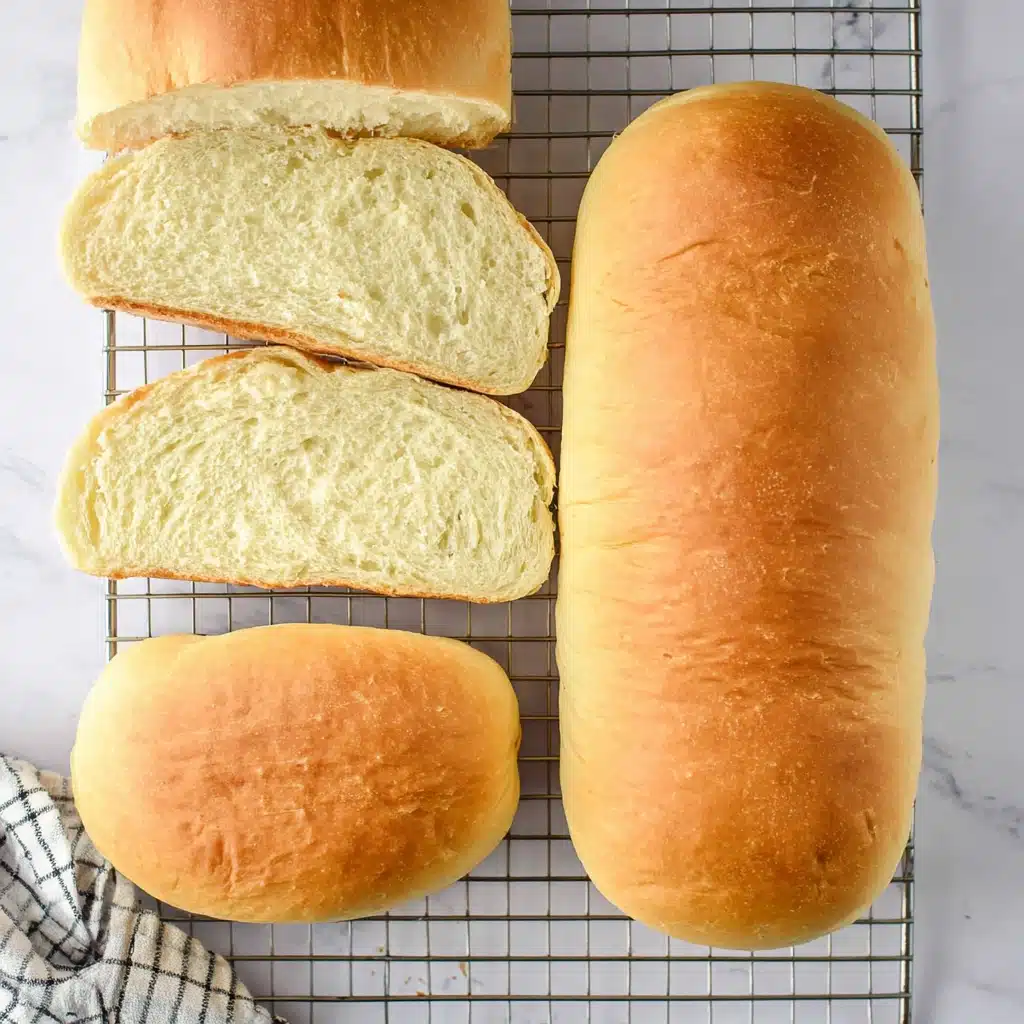
Making Bread Baked in a Bag at home changes the way you think about yeast bread. This method creates a soft interior, even crumb, and dependable rise without complicated techniques. Because the dough bakes inside a roasting bag, moisture stays trapped, which helps the loaf bake evenly every time. If you enjoy oven baked bread that feels approachable and practical, this recipe fits right into your kitchen routine. It works well for beginners, yet it still delivers the comforting texture expected from classic homemade bread. With pantry ingredients and a straightforward process, this loaf proves that homemade bread can feel relaxed and rewarding.
Story
I first tried Bread Baked in a Bag on a busy afternoon when I wanted fresh bread without constant monitoring. Traditional loaves often require steam pans, covered baking, or careful timing. This recipe removes those worries. The roasting bag creates a gentle baking environment that supports steady oven spring and a soft crust. Over time, I noticed how consistent the results stayed, even on days when the kitchen felt rushed. Because Bread Baked in a Bag controls moisture so well, it works as an ideal alternative to no knead bread while still giving structure and flavor. When friends ask for easy white bread that works every time, this method always comes to mind.
Ingredients
-
6 1/2 to 7 cups all-purpose flour
-
2 cups warm water (105–110°F)
-
2 1/4 teaspoons active dry yeast
-
1 tablespoon salt
-
1 teaspoon sugar
-
3 tablespoons vegetable oil
-
2 additional tablespoons vegetable oil for kneading and shaping
Step-by-Step Instructions
Preparing the Ingredients
Start by combining warm water, sugar, and yeast in a large bowl. Stir gently, then let the mixture stand until foamy. This step activates the yeast and sets the foundation for reliable rise. Add the salt and vegetable oil next, mixing until blended. Gradually add flour while stirring, allowing the dough to come together softly. The dough should feel slightly tacky but manageable, which helps create tender homemade yeast bread.
Cooking Instructions
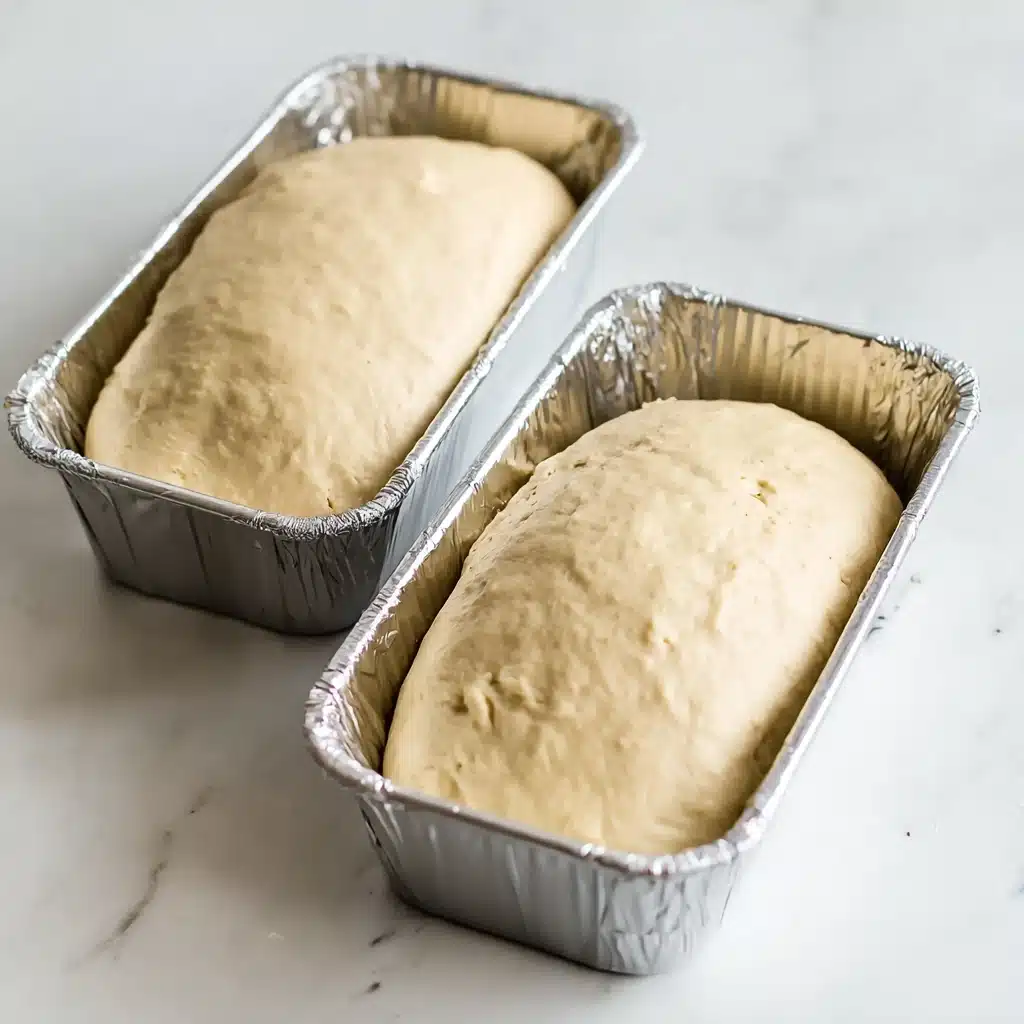
Transfer the dough to a lightly oiled surface. Knead steadily for several minutes until smooth and elastic, adding oil as needed to prevent sticking. Shape the dough into a loaf and place it inside an oven-safe roasting bag, leaving space for expansion. Tie the bag loosely and rest the dough briefly. Bake at 350°F until the loaf sets and turns lightly golden. Cool on a rack before slicing to maintain structure.
Tips for Perfect Results
Common Mistakes to Avoid
Avoid using bags not labeled for oven use, as safety matters here. Also, do not over-tighten the bag tie, since trapped air supports expansion. Adding too much flour during kneading can lead to dense texture, which affects bread in roasting bag methods more than open baking.
Pro Tips for Better Flavor
Use warm, not hot, water to protect yeast activity. Brushing the loaf lightly with oil after baking adds softness. For extra aroma, allow the dough a slightly longer rest before baking, which helps flavor develop naturally.
Serving and Storage
How to Serve
Slice the bread once fully cooled. This loaf pairs well with butter, soups, or simple sandwiches. Because the crumb stays soft, it works beautifully for toast and everyday meals.
How to Store Leftovers
Wrap the bread tightly and keep it at room temperature for up to two days. For longer storage, freeze slices and thaw as needed without losing texture.
Conclusion
Bread Baked in a Bag proves that homemade bread does not need complicated steps or special equipment. With steady results and a forgiving process, this recipe belongs in any home kitchen. Try it once, and it quickly becomes part of your regular baking routine.
Discover more delicious recipes by following me on Facebook and Pinterest.
Frequently Asked Questions
Can I make this bread without kneading?
This recipe benefits from kneading, which builds structure. However, a longer rest can reduce kneading time slightly.
Does the bag affect crust texture?
Yes, the bag keeps moisture inside, creating a softer crust. Removing the loaf near the end adds light crispness.
Can I freeze the baked loaf?
Freezing works well. Slice first for easier thawing and consistent texture later.
Print
Bread Baked in a Bag
- Total Time: 55 minutes
- Yield: 8 servings
- Diet: Vegetarian
Description
Soft homemade white bread baked inside an oven-safe roasting bag, creating even heat, dependable rise, and a tender crumb using simple pantry ingredients.
Ingredients
Soft homemade white bread baked inside an oven-safe roasting bag, creating even heat, dependable rise, and a tender crumb using simple pantry ingredients.
Instructions
-
Combine warm water, sugar, and yeast in a large bowl and let stand until foamy.
-
Add salt and 3 tablespoons of vegetable oil to the yeast mixture.
-
Gradually mix in flour until a soft dough forms.
-
Knead the dough on a lightly oiled surface until smooth and elastic.
-
Shape the dough into a loaf and place it inside a large oven-safe roasting bag.
-
Tie the bag loosely and let the dough rest briefly.
-
Bake at 350°F until fully baked and lightly golden.
-
Remove the bread from the bag and cool completely before slicing.
Notes
Use only roasting bags labeled as oven-safe.
For a crispier crust, remove the bread from the bag during the last 5 minutes of baking.
Store wrapped at room temperature for up to 2 days or freeze for longer storage.
- Prep Time: 15 minutes
- Cook Time: 40 minutes
- Category: Bread
- Method: Baking
- Cuisine: American
Nutrition
- Serving Size: 1 slice
- Calories: 190
- Sugar: 1 g
- Sodium: 230 mg
- Fat: 4 g
- Saturated Fat: 0.5 g
- Unsaturated Fat: 3 g
- Trans Fat: 0 g
- Carbohydrates: 33 g
- Fiber: 1 g
- Protein: 5 g
- Cholesterol: 0 mg