
Cinnamon Roll Pumpkin Muffins capture everything autumn should be: warmth, depth, and a fragrance that lingers long after the oven cools. For professional bakers, this recipe offers a balance between structure and indulgence—combining the lift of a classic muffin crumb with the soft swirl of a cinnamon roll interior. The result is an elevated seasonal bake that bridges the familiarity of pumpkin spice with the technical satisfaction of perfect crumb development and even marbling. In this article, we’ll refine each stage of the process, from batter composition to swirl distribution, ensuring that your cinnamon roll pumpkin muffins meet patisserie precision.
The Story Behind the Cinnamon Roll Pumpkin Muffin
A Convergence of Classics
Cinnamon roll pumpkin muffins are the modern baker’s answer to fall flavor fusion. The concept was born from the desire to merge the tender richness of a cinnamon roll with the convenience and crumb texture of a muffin. Unlike traditional rolls, which rely on yeast fermentation and extended proofing, this variation achieves the same buttery warmth through chemical leavening. The focus keyword “cinnamon roll pumpkin muffins” perfectly encapsulates that culinary balance—richness without the wait, structure without compromise.
The Inspiration and Development
When developing this recipe, precision in fat ratios and hydration levels became crucial. Pumpkin puree contributes not only moisture but also fiber, requiring adjustments in the flour’s protein content and mixing time. The final recipe yields a crumb that is tender but resilient, capable of supporting the brown sugar swirl without collapse. Professional bakers will appreciate the balance of textures—a moist, spiced interior encased in a golden, slightly crisp crust, all finished with a glossy cream cheese glaze that complements rather than overwhelms.
Print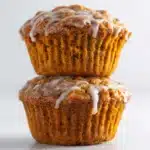
Cinnamon Roll Pumpkin Muffins
- Total Time: 35 minutes
- Yield: 12 muffins 1x
- Diet: Vegetarian
Description
These cinnamon roll pumpkin muffins combine the rich, spiced depth of pumpkin with the buttery sweetness of a cinnamon roll, finished with a refined cream cheese glaze.
Ingredients
1 cup canned pumpkin puree
1/2 cup melted butter
3/4 cup sugar
1 teaspoon vanilla extract
1 large egg
1.5 cups all-purpose flour
1 teaspoon baking powder
1 teaspoon baking soda
1/2 teaspoon salt
1 teaspoon ground cinnamon
Cinnamon Swirl:
1/4 cup melted butter
1/4 cup brown sugar
1 teaspoon ground cinnamon
Cream Cheese Glaze:
1/2 cup powdered sugar
1 tablespoon cream cheese softened
1/2 teaspoon vanilla extract
2–3 tablespoons milk
Instructions
1. Preheat oven to 350°F and prepare a 12-cup muffin tin with liners.
2. Whisk pumpkin puree, melted butter, sugar, egg, and vanilla extract.
3. In another bowl, whisk flour, baking powder, baking soda, salt, and cinnamon.
4. Combine wet and dry ingredients gently until just mixed.
5. Prepare cinnamon swirl by combining melted butter, brown sugar, and cinnamon.
6. Fill muffin cups halfway, add swirl mixture, top with remaining batter, and swirl with a skewer.
7. Bake 20–25 minutes until golden and a toothpick comes out clean.
8. Whisk glaze ingredients until smooth, then drizzle over cooled muffins.
Notes
Optional spices: nutmeg or cloves for a stronger fall profile. Add walnuts or pecans for texture. For coffee cake conversion, bake in an 8×8-inch pan and extend baking time to 35 minutes.
- Prep Time: 10 minutes
- Cook Time: 25 minutes
- Category: Bakery
- Method: Baked
- Cuisine: American
Nutrition
- Serving Size: 1 muffin
- Calories: 220
- Sugar: 18g
- Sodium: 190mg
- Fat: 10g
- Saturated Fat: 6g
- Unsaturated Fat: 3g
- Trans Fat: 0g
- Carbohydrates: 28g
- Fiber: 1g
- Protein: 3g
- Cholesterol: 40mg
Ingredient Analysis and Flavor Engineering
The Core Components
At the heart of these pumpkin muffin cinnamon roll swirls lies a meticulous ingredient synergy. The pumpkin puree introduces natural sweetness and moisture, replacing some of the fat while enriching the color and crumb. Unsalted butter provides structure and flavor clarity. The dual leavening—baking powder and baking soda—ensures both immediate and sustained lift. Cinnamon serves as the dominant aromatic, but when combined with optional nutmeg or clove, it evolves into a more complex spice profile ideal for professional seasonal menus.
The Science of the Swirl
The cinnamon-brown sugar swirl adds both aesthetic and gustatory intrigue. For even layering, the butter in the swirl should be melted but cooled slightly to maintain viscosity during integration. A precise swirl pattern is key: using a fine skewer or paring knife, create controlled figure-eight motions to prevent over-mixing, which can muddy the layers. The result should be a clean, marbled interior reminiscent of laminated pastry—a hallmark of refined baking execution.
Baking Technique and Texture Mastery
Mixing Methods
Professional bakers understand that muffin batter benefits from minimal agitation. The “muffin method” applies here: combine wet and dry ingredients separately, then integrate just until moistened. Over-mixing will activate gluten, tightening the crumb and diminishing tenderness. For best results, use room-temperature ingredients to encourage homogenous emulsification. The finished batter should appear thick yet pourable, allowing for controlled portioning using a standard-size cookie scoop for even distribution across the tin.

Temperature and Timing
The ideal bake occurs at 350°F for 20–25 minutes. Professionals may choose to employ convection at a reduced temperature (325°F) for uniform browning. Rotate the pan midway through the bake to prevent uneven lift. The muffins are done when the tops spring back lightly under pressure and a probe thermometer reads 200°F internally. Resting the muffins for five minutes before de-panning allows residual heat to stabilize the crumb—a subtle yet essential professional touch.
Finishing Touches and Glaze Precision
Crafting the Cream Cheese Glaze
The cream cheese glaze serves as both a flavor contrast and a visual signature. When whisking the glaze, aim for a fluid but not runny texture—approximately the consistency of heavy cream. The powdered sugar binds the dairy elements, while vanilla provides aromatic lift. A milk addition should be incremental; professional bakers know that viscosity determines drape and set. Drizzle over cooled muffins only, allowing the glaze to settle into the swirl ridges, creating a natural sheen without saturation.
Presentation and Storage Techniques
For display-quality results, align muffins on a cooling rack over parchment before glazing to capture runoff. When presenting in retail or professional bakery settings, a light dusting of micro-ground cinnamon after glazing offers an elegant aromatic note. Muffins may be stored at ambient temperature for up to two days in an airtight container or refrigerated for up to five days. For extended storage, wrap individually in film and freeze for up to one month, ensuring flavor retention and moisture balance.
Recipe Adaptation and Professional Versatility
From Muffins to Coffee Cake
One of the strengths of this formula is adaptability. The batter can be scaled and baked in an 8×8-inch pan for a coffee cake variation. Extend bake time to approximately 35 minutes, monitoring for a golden crust and clean center crumb. This approach suits catering or plated dessert applications where slicing portions are preferred. The cinnamon roll pumpkin muffin base transitions seamlessly into other autumnal offerings such as loaf cakes or bundt styles.
Advanced Variations for Professionals
To elevate further, consider infusing the butter with vanilla bean or cardamom before incorporating it into the swirl. Alternatively, a nut streusel topping adds textural complexity. For patisserie service, pipe the glaze in controlled diagonal lines for uniformity. Pairing with espresso or maple syrup reduction enhances the plate composition. Each adaptation remains true to the core identity—cinnamon roll pumpkin muffins as a sophisticated expression of fall flavor, executed with precision and artistry.
Frequently Asked Questions
1. Can this batter be baked as mini muffins?
Yes. Reduce bake time to approximately 13–15 minutes. Monitor coloration closely to prevent overbaking due to higher surface-area-to-volume ratios.
2. What is the ideal flour type for consistent results?
Use a standard all-purpose flour with 10–11% protein content. Avoid high-gluten flour as it tightens the crumb and diminishes muffin tenderness.
3. Can I use pumpkin pie filling instead of puree?
No. Pumpkin pie filling includes sugar and spices, which would alter the formula’s balance and hydration ratio.
4. How can I maintain glaze stability during display?
Store glazed muffins in a temperature-controlled case (below 75°F) to prevent separation. Add a small percentage of corn syrup for improved sheen and adherence.
5. Can the recipe be prepared in advance?
Absolutely. Batter may be mixed and refrigerated for up to 12 hours before baking. Allow it to rest at room temperature for 20 minutes prior to portioning.
Conclusion
Cinnamon Roll Pumpkin Muffins represent the perfect synthesis of comfort and craftsmanship. For professional bakers, they offer both efficiency and elegance—a technically satisfying bake that delivers visual appeal and layered flavor. The controlled swirl, balanced crumb, and precise glaze all contribute to a pastry that speaks of skill and seasonality. When executed correctly, each muffin becomes a study in contrast: tender yet structured, sweet yet spiced, classic yet modern. This recipe stands as an autumn essential, proving that mastery lies not only in invention but in perfecting the familiar.
Discover more delicious recipes by following me on Facebook and Pinterest.