
Before diving into the story, cooking process, and the irresistible aroma of Cuban black beans simmering under pressure, here’s what you can expect from this article. You’ll discover why cuban black beans are a staple in so many kitchens, how a pressure cooker changes the whole experience, and how this dish connects to memories, family, and slow afternoons in warm kitchens. We’ll talk about the ingredients that create that signature Cuban depth, plus variations, cooking tips, storage advice, and serving ideas. You’ll also see how slow cooker beans compare and how this recipe works as an easy side dish any night of the week.
The Story Behind Cuban Black Beans
The Memory of a First Bowl
My love for cuban black beans started in a tiny kitchen with windows that rattled whenever the evening breeze rolled in. I still remember the pot bubbling away, filling the air with cumin, peppers, and that rich earthiness only black beans deliver. At the time, I didn’t understand why these cuban black beans tasted different from others I’d tried. I only knew that the texture felt creamy, the broth tasted bright, and every spoonful warmed something inside me. Later, I realized it came from the bold flavors layered slowly, one ingredient after another, building something that felt comforting. When I recreated that same bowl using a pressure cooker years later, the result surprised me. I got that slow-cooked taste in a fraction of the time. The pressure cooker didn’t cut corners; it simply held everything together tightly, letting flavors deepen fast. As I kept testing new variations, cuban black beans became my go-to recipe for gatherings, quiet lunches, or nights when I wanted something filling but simple. The jalapeño brought heat without overwhelming the dish, the red bell pepper added sweetness, and the lime juice brightened everything. Every bowl transported me back to that breezy kitchen. When friends asked how a humble bean dish tasted so satisfying, I’d tell them the secret wasn’t complicated. It was patience, even when using a high-pressure method, plus fresh ingredients that always carry the dish. Those moments taught me why cuban black beans remain a staple in Cuban homes and why the dish traveled into mine. Each batch still reminds me that food sometimes acts as a bridge between where you started and where you’re going.
Why This Recipe Stands Out
This dish excels because of its balance—earthy black beans, smoky spices, citrus brightness, and fresh herbs. Whether you enjoy slow cooker beans, pressure cooker recipes, or stove-top versions, the core flavors remain steady. With simple ingredients and bold taste, cuban black beans provide comfort without complexity, making them an easy side dish or a satisfying main.
Print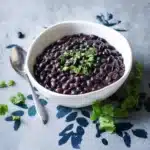
cuban black beans
- Total Time: 35 mins
- Yield: 8-10 1x
Description
These Pressure/Slow Cooker Cuban Black Beans are filled with lime juice, a trio of red bell pepper, jalapeño, and red onion, and finished off with bunches of fresh cilantro!
Ingredients
2 tablespoons olive oil
1 cup chopped red onion
1 large jalapeño, seeded and diced
1 small red bell pepper, chopped
3 cloves garlic, minced
1 teaspoon cumin
1 teaspoon smoked paprika
1 bay leaf
2 teaspoons kosher salt
1 lb dried black beans, rinsed
6 cups water
2 limes, juiced
1 bunch cilantro, chopped
Instructions
1. Sauté red onion, jalapeño, and red bell pepper in pressure cooker for 3-5 minutes until veggies start to soften.
2. Add garlic, cumin, paprika, bay leaf, salt, black beans, and water.
3. Stir, lock lid, and set to high pressure for 30 minutes with a quick release at the end.
4. Stir in lime juice and chopped cilantro, then serve.
Notes
For added heat, keep some jalapeño seeds. For a thicker broth, let the beans rest after cooking.
- Prep Time: 5 mins
- Cook Time: 30 mins
- Category: Side Dish
- Method: Pressure Cooker
- Cuisine: Cuban
Building Flavor in Every Step
The Power of Peppers and Aromatics
Good cuban black beans rely on aromatics cooked until they start to release their natural sweetness. Red onion softens quickly, creating a mellow base that carries the flavors. Jalapeño adds a warm kick, and red bell pepper brings depth. These ingredients create the signature taste people expect when they sit down to a bowl of cuban black beans. Cooking them in oil for a few minutes helps everything blend smoothly. Garlic follows next, boosting the fragrance and tying the aromatics together. Cumin and smoked paprika don’t just sit in the background—they define the profile of the dish. They taste warm, smoky, and rich, blending perfectly with the hearty texture of the beans.
Why the Pressure Cooker Creates Magic
A pressure cooker recipe captures all the flavors you build early on and locks them inside the pot. While traditional Cuban kitchens simmer beans all afternoon, a pressure cooker gives you similar results quickly. The high pressure softens dried beans efficiently and creates a thick, silky broth. The beans break down slightly, but not too much, leaving a tender bite while coating everything in a flavorful sauce. This method works incredibly well when you want cuban black beans on a weeknight without waiting hours. Even fans of slow cooker beans appreciate how pressure cooking shortens the process. When you finish the cook and release the steam, the aroma hits instantly—peppery, smoky, and inviting. Stir in lime juice and cilantro at the end, and the whole pot comes alive. That finishing step pulls the flavors into balance, creating the kind of dish people go back to for seconds.
Texture, Timing, and Ingredient Tips
Achieving the Ideal Texture
Texture matters with cuban black beans. They should be soft but not mushy, creamy but not watery. Using dried beans instead of canned helps control the final result. Dried beans absorb flavor deeply because they cook slowly in the seasoned broth you’ve created. The pressure cooker keeps that process even, ensuring every bean cooks consistently. If you want the broth thicker, let the beans rest for several minutes after cooking. They continue absorbing liquid, creating that silky consistency Cuban cooks swear by.
Smart Ingredient Choices
Small ingredient tweaks make cuban black beans even better. Using smoked paprika instead of regular paprika adds depth without overpowering the dish. Fresh lime juice trumps bottled versions every time because it tastes brighter and sharper. Fresh cilantro added at the end keeps the flavor clean. Salt should be added before cooking so the beans season from the inside. Using water instead of stock keeps the flavors simple and true to traditional Cuban style. If you want extra heat, keep a few jalapeño seeds in the mix. If you prefer a softer, milder heat, remove them completely. Choosing quality dried beans matters too. Fresher beans cook more evenly, while older beans sometimes take longer. This recipe works perfectly as an easy side dish or can be paired with rice, grilled meats, or roasted vegetables for a full meal.
Versatility and Serving Ideas
How to Serve Cuban Black Beans
One of the most enjoyable aspects of cuban black beans is their versatility. They pair with rice effortlessly, creating the classic Cuban combination known as moros y cristianos. You can spoon them over baked sweet potatoes, stuff them into tacos or burritos, or serve them beside grilled chicken. As an easy side dish, they work with almost anything because the flavors remain steady and balanced. Their natural creaminess also makes them great as a topping for grain bowls or salads.

Turning Leftovers Into New Meals
Leftover cuban black beans taste even better the next day. The flavors settle and deepen in the fridge overnight. You can mash them lightly to make a spread for tostadas or blend them with a splash of broth for a quick soup. Add them to scrambled eggs for a hearty breakfast, or fold them into quesadillas. If you enjoy slow cooker beans, you can use the same leftover ideas there too. This dish stays flexible and satisfying, giving you more than one meal from a single batch. It also freezes well, allowing you to build fast meals on busy days. The beans reheat smoothly, and their texture stays consistent.
Slow Cooker and Pressure Cooker Variations
Adapting the Recipe for Different Cookers
Although cuban black beans shine in a pressure cooker, slow cooker beans remain popular for their hands-off approach. If you choose the slow cooker, sauté your vegetables first on the stovetop, then transfer everything to the slow cooker with water. Cook on high for four to five hours or low for seven to eight. This method yields tender beans with a slightly brothier base. Both variations work beautifully, depending on your schedule.
Adjusting Flavor and Heat
Making cuban black beans your own means adjusting the flavor to match your taste. Add more garlic for sharper notes or increase the cumin for a stronger earthy tone. For a bright, citrus-forward finish, add extra lime. If you prefer more heat, swap jalapeño for serrano. You can also mix in a little tomato paste for richness, though it isn’t traditional. These small adjustments help you create a version that fits your kitchen while honoring the heart of the dish. This flexibility also makes cuban black beans a perfect recipe for cooks learning to balance spice and acidity.
FAQ
Can I use canned black beans instead of dried?
You can, but dried beans create a better texture and deeper flavor. Canned beans also cook faster, so reduce the pressure cook time to ten minutes.
Do I need to soak the beans first?
No soaking is necessary for this recipe. The pressure cooker handles the full cooking process.
Can I freeze cuban black beans?
Yes. They freeze well for up to three months and reheat perfectly.
What should I serve with cuban black beans?
Rice, tacos, grilled meats, or roasted vegetables all pair well.
Conclusion
Cuban black beans deliver flavor, comfort, and versatility in one pot. With simple ingredients and bold results, this recipe gives you a satisfying dish that works any night. Whether you enjoy pressure cooker recipes or slow cooker beans, the core flavors stay rich, smoky, and fresh. Once you taste how lime and cilantro finish the dish, you’ll reach for this recipe again and again.
Discover more delicious recipes by following me on Facebook and Pinterest.