
When it comes to hearty, soul-warming dishes, shepherd’s pie is a go-to favorite. But let’s be honest — while the traditional layered version is comforting, it’s not always the most exciting to serve or customize. Enter the deconstructed shepherd’s pie, a fresh spin that breaks the dish down into its core components, giving you more freedom, flavor, and flair.
In this updated take, you’ll still find the familiar trio of savory meat, creamy mashed potatoes, and tender vegetables, but each element gets its moment to shine. Not only does this enhance the overall texture and presentation, but it also makes the dish easier to adapt for different tastes or dietary needs. Whether you’re serving a crowd or plating a showstopper for two, this style lets you get creative without losing the essence of what makes shepherd’s pie so beloved.
Let’s dive into how this flavorful concept works and why it’s catching on fast among home cooks and professional chefs alike.
What Is a Deconstructed Shepherd’s Pie?
Understanding the Concept
At its core, a deconstructed shepherd’s pie takes all the familiar flavors of the classic dish and reimagines them in a way that highlights each ingredient separately. Unlike the traditional version where everything’s stacked into a single bake, this approach arranges the elements side-by-side or layered with intention, often in a more refined and visually appealing way.
This isn’t just about looks — it’s about flavor control, texture contrast, and creative freedom. Want more meat and less mash? Go for it. Want to load up on veggies and skip the dairy? No problem. It’s a concept that adapts to your cravings, your dietary choices, or even just what you’ve got in the fridge.
Why It’s Trending
So why are more cooks leaning into this modernized comfort food? It comes down to flexibility and fun. A deconstructed pie:
-
Offers better portion control.
-
Let’s each layer shine with bold, distinct flavors.
-
Opens the door to innovative plating.
-
Makes customizing for different eaters (kids, vegans, low-carb fans) a breeze.
Plus, the presentation gives off that “gourmet made easy” vibe — perfect for dinner parties or just impressing yourself on a weeknight.
Benefits Beyond the Plate
What sets this version apart is the ability to play. You can roast the vegetables for depth, pan-sear the meat for a crusty bite, or whip the potatoes into a mousse-like cloud. You’re no longer bound to a casserole dish — and the results are often tastier, lighter, and way more exciting.
Up next, we’ll look at where this whole idea began, because even deconstructed dishes have roots in tradition.
The Origins of Shepherd’s Pie
Traditional Shepherd’s Pie: A Brief History
Where It All Began
Shepherd’s pie goes way back. It started in the UK and Ireland during the late 1700s. People needed a way to use up leftovers, especially roast meat and mashed potatoes. They layered them in a dish, baked them together, and voilà — comfort food was born.
The original version used lamb, which is why it’s called shepherd’s pie (think sheep). When made with beef instead, it’s often called cottage pie. Still, many folks use the terms interchangeably today.
A Dish for Everyone
This meal was cheap to make, filling, and easy to adapt. That’s why it quickly became popular among working-class families. Over time, the recipe spread beyond Britain, changing a bit in every country it landed.
No matter the version, it’s always been about wholesome, home-cooked goodness. That same spirit is what lives on in its deconstructed form.
Global Variations and Interpretations
Taking the Pie Around the World
Many countries have their spin on shepherd’s pie, even if they don’t call it that. For example:
-
France has hachis Parmentier, which also layers mashed potatoes with minced meat.
-
Canada serves pâté chinois, made with ground beef, corn, and mashed potatoes.
-
South Africa features bobotie, a spiced meat dish topped with an egg-based custard.
Each version reflects local ingredients and tastes. But they all stick to the same comforting concept — a simple dish made with love.
Why It Still Matters Today
The beauty of shepherd’s pie, whether classic or deconstructed, is that it keeps evolving. It’s a dish rooted in resourcefulness and flavor. And now, it’s getting a modern makeover — without losing its heart.
In the following part, we’ll break down the must-have ingredients that form the base of a great deconstructed shepherd’s pie.
Core Components of a Deconstructed Shepherd’s Pie
The Protein Element
Choosing the Right Meat
Traditionally, shepherd’s pie uses ground lamb. Many people now use ground beef because it’s easy to find and affordable. You can also try ground chicken or turkey for a lighter version.
For a meat-free dish, go with lentils, mushrooms, or plant-based ground meat. These options soak up flavor and have a nice texture.
Cooking the Meat Right
Brown the meat in a skillet. Add chopped onions, garlic, and a bit of seasoning. A touch of tomato paste or Worcestershire sauce adds richness. Simmer until it’s cooked and tasty.
Avoid overcooking. Keep the meat juicy and tender.
The Vegetable Medley
Classic Veggies That Work Best
The usual mix includes peas, carrots, and corn. Dice them small so they cook evenly. You can also add green beans, parsnips, or even chopped spinach.
Use what’s fresh or what you have at home. This part of the dish is flexible.
How to Cook Them
Sauté the veggies in a bit of oil. Add salt, pepper, and herbs like thyme or rosemary. Cook just until they’re soft but not mushy. A splash of broth adds flavor and helps them stay moist.
You can roast them too for more flavor.
The Mash Component
More Than Just Potatoes
Mashed potatoes are a must. Yukon Golds are creamy, while Russets are fluffy. But there are other options.
Try mashed sweet potatoes for a bit of sweetness. Or go low-carb with mashed cauliflower. Even turnips or a mix of root veggies work well.
Tips for a Great Mash
Boil the potatoes until they’re fork-tender. Drain them and mash with butter and milk. Season with salt and pepper.
For extra creaminess, use cream cheese or sour cream. Want it dairy-free? Use olive oil or plant-based milk instead.
Next, we’ll talk about how to bring all these parts together for a dish that looks as good as it tastes.
Crafting the Deconstructed Presentation
Plating Techniques
Make It Look Good
Plating is key with a deconstructed shepherd’s pie. Instead of layering in a dish, keep each part separate on the plate. This shows off the colors and textures.
Spoon the mashed potatoes in a neat circle or oval. Place the meat beside it, then add the vegetables. Keep the portions balanced. A clean layout makes the meal look more special.
Use Simple Tools
You don’t need fancy tools. A cookie cutter or ring mold helps shape the mash. A small ice cream scoop works too. Wipe the plate edges for a tidy finish.
Add fresh herbs like parsley or chives for color and freshness. A drizzle of gravy or a sauce on the side makes it pop.
Serving Suggestions
How to Serve It Right
Serve the pie on large plates for a clean layout. For parties or guests, try small plates or shallow bowls. This gives each bite a perfect mix of textures.
If you want to go fancier, layer the ingredients in a glass dish so the layers are visible. It’s a fun twist on the traditional look.
Great Sides to Add
This dish stands well on its own. But you can serve it with extras like:
-
A crisp green salad
-
Roasted seasonal vegetables
-
Crusty bread or rolls
Try not to overload the plate. Let the main parts shine.
In the following section, we’ll explore fun recipe twists, including versions for vegan, low-carb, and gluten-free diets.
Recipe Variations and Dietary Adaptations
Vegetarian and Vegan Versions
Plant-Based Options That Work
To go meat-free, swap the meat with lentils, mushrooms, or plant-based crumbles. Lentils are hearty and soak up spices well. Mushrooms bring a rich, savory flavor.
For a vegan version, use olive oil instead of butter. Swap milk or cream for almond, oat, or soy milk. You can also try vegan cheese for extra flavor.
Boost the Taste Naturally
Add garlic, onions, and herbs like thyme or rosemary. A splash of soy sauce or balsamic vinegar gives more depth. Roasting veggies before adding them can also bring out flavor.
Keep everything balanced. Don’t make the mash too salty or the veggies too soft.
Low-Carb and Keto-Friendly Options
Skip the Potatoes Smartly
Want to cut carbs? Use mashed cauliflower instead of potatoes. Steam the cauliflower, then blend it with butter or cream cheese. It turns out smooth and creamy.
You can also try mashed turnips or rutabagas. They’re lower in carbs than potatoes but still hearty.
Keep the Dish Light but Filling
Stick to low-carb veggies like green beans, spinach, or zucchini. Season well so the dish doesn’t taste bland.
For protein, choose ground chicken or turkey. They’re leaner and still tasty when seasoned right.
Gluten-Free Adaptations
Avoid Gluten the Easy Way
Most parts of the dish are naturally gluten-free. But check your sauces and broth. Some contain wheat. Use gluten-free soy sauce or tamari. Read labels to stay safe.
Simple Swaps That Help
Skip flour-based thickeners. Use cornstarch or arrowroot instead. These work well in gravy or sauces.
If you’re serving bread on the side, go with gluten-free rolls or skip them altogether. Stick to whole, fresh ingredients to keep things clean.
Up next, we’ll look at how healthy this dish can be, plus tips to balance comfort with nutrition.
Nutritional Insights
Caloric and Macronutrient Breakdown
What’s in a Serving?
A regular deconstructed shepherd’s pie has a good mix of carbs, protein, and fat. The mashed potatoes bring carbs. The meat gives protein and fat. The veggies add fiber and vitamins.
One serving with beef, regular mash, and veggies can range from 400 to 600 calories. It depends on the portion size and how much butter or oil you use.
Lighter versions using lean meats and veggie mash will have fewer calories.
How Swaps Change the Numbers
Using cauliflower mash cuts down carbs. Choosing ground turkey or lentils lowers fat. Skipping butter and using olive oil can make it lighter, too.
Want more protein? Add extra meat or stir in cooked lentils. Need less fat? Reduce the cream and butter in the mash.
Health Benefits and Considerations
It’s More Than Comfort Food
This dish can be healthy if you make smart choices. Potatoes have potassium and fiber. Veggies bring vitamins and help you feel full. Lean meat adds protein to keep energy up.
If you want fewer carbs, use more veggies and a smaller scoop of mash. Going plant-based? Lentils and mushrooms are great for the heart and digestion.
Tips for a Balanced Plate
Stick to smaller portions if you’re watching calories. Use fresh ingredients and go easy on the salt. Herbs and spices can boost flavor without adding fat or sugar.
You don’t have to skip comfort food to eat well. Just mix and match ingredients to suit your needs.
Coming up, we’ll cover helpful tips and common mistakes to avoid when making this dish at home.
Tips and Tricks for the Perfect Dish
Common Mistakes to Avoid
Overdoing or Undercooking Things
Don’t overcook the meat. It gets dry and tough. Brown it just enough to add flavor, then let it simmer with seasoning.
Mashed potatoes can go wrong, too. If you add too much liquid, they turn soupy. If you don’t add enough, they stay lumpy. Boil the potatoes until soft, then mash while hot.
Watch the veggies. Don’t let them get mushy. Cook them until just tender, so they keep their bite and color.
Mixing Everything Too Much
This is not a casserole. Keep each part separate when plating. If you mix the mash with meat and veggies, it loses the “deconstructed” idea.
Use a big plate. Give each part its space. It helps with flavor and makes it look better.
Enhancing Flavor and Texture
Use Seasoning the Right Way
Salt and pepper matter. But herbs like thyme, rosemary, and parsley add more depth. A splash of broth or soy sauce can lift the meat flavor without adding fat.
Roast the veggies or pan-sear the meat for better texture. A light crust adds crunch and contrast.
Add a little crunch on top — maybe toasted breadcrumbs or crispy onions — for texture. Just make sure they’re gluten-free if needed.
Balance Is Key
Keep the ratio of meat, mash, and veggies even. Don’t let one thing take over the plate.
Taste each part before serving. That way, you can adjust the seasoning or texture easily.
Up ahead, we’ll answer some of the most common questions about deconstructed shepherd’s pie — from prepping ahead to making it kid-friendly.
Frequently Asked Questions (FAQs)
What makes a deconstructed shepherd’s pie different from the classic version?
Breaking It Down
A deconstructed shepherd’s pie keeps all the usual parts — meat, mashed potatoes, and veggies — but serves them separately. This lets each part stand out. It also helps with texture and flavor balance.
You don’t bake it all in one dish. Instead, you cook and plate each part with care.
Can I make the parts ahead of time?
Yes, and It’s Easy
Cook the meat, mash, and veggies ahead. Store each in its own container in the fridge. They stay fresh for up to 3 days.
When ready to serve, reheat gently on the stove or in the oven. Keep moisture in by covering the dishes or adding a splash of broth.
How can I make this meal more kid-friendly?
Keep It Simple and Fun
Use mild seasoning. Stick to classic flavors like carrots, peas, and soft mashed potatoes. Shape the mash into fun designs with a spoon or scoop.
Kids often like to build their plates. Let them choose how much of each part they want.
Is there a fast version for busy nights?
Try Shortcuts That Work
Use store-bought mashed potatoes or pre-cut veggies. Choose frozen peas and carrots for quick cooking. Brown the meat in one pan and steam the veggies at the same time.
Assemble and serve — it still tastes homemade without all the prep.
What are fun toppings or garnishes?
Add a Little Flair
Try chopped herbs like parsley or green onions. Crispy onions or garlic chips add crunch. A drizzle of gravy or veggie broth pulls it all together.
You don’t need much. A small touch can make the dish feel special.
Stay tuned — we’ll finish off with a quick recap and thoughts on why this dish is worth trying in every kitchen.
Conclusion
Why Deconstructed Shepherd’s Pie Is Worth Making
This dish is more than just a new trend. It’s a smart way to enjoy a classic meal with a modern twist. By keeping each part separate, you get better textures and bold flavors.
It also gives you control. Want less mash? Add more veggies? No problem. You can build each plate the way you like it.
Great for All Types of Eaters
This version works for everyone. Kids, adults, and even picky eaters. It’s easy to change for special diets too. Go meat-free, low-carb, or gluten-free — and it still tastes great.
Plus, it looks impressive. Whether you’re serving family or guests, the clean layout makes it feel special without being hard to make.
Simple, Flexible, and Fun
With a few basic ingredients and a bit of care, you can turn a cozy favorite into something fresh and fun. Deconstructed shepherd’s pie brings creativity back to comfort food.
Print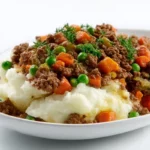
Deconstructed Shepherd’s Pie: A Modern Twist on a Classic Comfort Food
- Total Time: 45 minutes
- Yield: 4 servings 1x
Description
Deconstructed Shepherd’s Pie takes the beloved comfort food and presents it in a modern, customizable way. With separate servings of seasoned meat, creamy mashed potatoes, and sautéed or roasted vegetables, this dish keeps the heart of the classic while enhancing texture, presentation, and flexibility. It’s perfect for dinner parties, family meals, or anyone looking for a lighter and more creative twist on tradition.
Ingredients
For the Meat:
-
1 lb ground lamb or beef (or turkey, chicken, or plant-based alternative)
-
1 small onion, chopped
-
2 garlic cloves, minced
-
1 tbsp tomato paste
-
1 tbsp Worcestershire sauce (or tamari for gluten-free)
-
Salt and black pepper, to taste
-
1/2 tsp dried thyme or rosemary
-
1/4 cup beef or vegetable broth (optional)
For the Vegetables:
-
1 cup peas
-
1 cup diced carrots
-
1/2 cup corn
-
1 tbsp olive oil
-
Salt and pepper, to taste
-
Optional: fresh thyme, rosemary, or parsley
For the Mashed Potatoes:
-
1.5 lb Yukon Gold or Russet potatoes (or cauliflower for low-carb)
-
2 tbsp butter or olive oil
-
1/4 cup milk, cream, or plant-based alternative
-
Salt and pepper, to taste
-
Optional: 2 tbsp sour cream or cream cheese for richness
Instructions
-
Cook the Meat:
-
Brown meat in a skillet over medium heat. Add onion and garlic, and cook until softened.
-
Stir in tomato paste, Worcestershire sauce, and seasonings.
-
Add broth if needed and simmer for 5–10 minutes.
-
-
Prepare the Vegetables:
-
Sauté carrots in olive oil until tender.
-
Add peas and corn. Cook until just soft.
-
Season with salt, pepper, and herbs.
-
-
Make the Mash:
-
Boil potatoes until tender. Drain and mash.
-
Stir in butter, milk, salt, and pepper. Mix until smooth.
-
Adjust texture with more liquid if needed.
-
-
Assemble the Plate:
-
Scoop mash into a neat mound.
-
Add a portion of meat beside the mash.
-
Spoon vegetables on the other side.
-
Garnish with chopped herbs or crispy onions if desired.
-
Notes
Use a ring mold or scoop for a polished look.
For vegan: use plant-based meat, dairy-free mash, and olive oil.
For low-carb: sub potatoes with mashed cauliflower.
For gluten-free: check sauce labels and use gluten-free alternatives.
- Prep Time: 20 minutes
- Cook Time: 25 minutes
- Category: Main Course
- Method: Sautéing, Boiling, Plating
- Cuisine: British (with modern twist)