
There’s something heartwarming about bread that tells a story. Irish potato bread isn’t just a tasty side—it’s a piece of history served warm. It’s humble, rustic, and rooted in Irish resilience and creativity. Across generations, Irish families have turned simple ingredients into something comforting and unforgettable. In this article, we’ll explore the story of Irish potato bread, its variations, and how it became a beloved staple on breakfast plates and dinner tables alike.
Let’s kick things off with where it all began.
Historical and Cultural Background
The Origins of Irish Potato Bread
When potatoes arrived in Ireland in the late 16th century, they didn’t just become part of meals—they became the meal. Easy to grow, filling, and cheap, potatoes changed the game for Irish households. Over time, Irish cooks began mixing leftover mashed potatoes with flour to form a dough. The result? A soft, slightly chewy bread that needed no yeast and cooked up quickly on a griddle.
During hard times, especially the Great Famine, potatoes were a lifeline. Turning them into bread was both practical and nourishing. This type of cooking was born from necessity—but it evolved into tradition. Today, the love for Irish potato bread continues not only in homes across Ireland but also in Irish communities around the world.
Cultural Significance in Ireland
Irish potato bread isn’t just about feeding stomachs—it’s about feeding stories. Families passed down their versions. Some made it thinner and fried it. Others made thicker loaves and baked them on hot stones. In places like Ulster, potato farls became famous—square or triangle-shaped pieces served alongside eggs and sausages.
Breakfast in Northern Ireland isn’t complete without potato bread. Whether it’s paired with fried eggs or stuffed into a breakfast roll, it’s the piece that ties everything together. And during holidays or special events, it often makes a nostalgic appearance, reminding many of mornings in Granny’s kitchen.
Regional Variations
Ireland may be small, but its food landscape is rich with local takes. Potato bread isn’t one-size-fits-all.
Ulster’s Potato Farls
These are made from mashed potatoes, flour, and butter—rolled into a round and then cut into quarters before cooking on a hot griddle. They’re crisp on the outside, tender inside, and perfect for frying.
Fadge from Northern Counties
This version is thicker and sometimes filled with fruit like apples. It’s more of a comforting bake—perfect with tea or as a midday treat.
Boxty from the West
Boxty is a cousin to potato bread, using grated raw potatoes, flour, and sometimes mashed potatoes. It’s more of a pancake, but the heart is the same: potatoes transformed into something magical.
Each of these versions reflects the local history and taste. Together, they show how one simple ingredient can take many forms and still feel like home.
Understanding Irish Potato Bread
What is Irish Potato Bread?
Irish potato bread is a soft flatbread made with mashed potatoes and flour. Some versions include butter or baking soda. It’s simple but rich in flavor. You don’t need yeast. You don’t even need an oven. Just a hot pan or griddle will do the trick.
The bread is often served as part of a full Irish breakfast. But it’s also great on its own or with a bit of butter.
This bread is loved for its texture. It’s light but filling. Crispy outside, warm and soft inside. And it works well with many dishes.
Common Ingredients
The base is mashed potatoes. You can use leftover ones or make a fresh batch. Flour is added to form a dough. Some people add butter for more flavor. Salt brings out the taste.
A little baking soda helps the bread rise slightly. But it’s not needed in all recipes. Some cooks prefer it flat and dense. That’s part of the charm. There’s no single rule—just family habits and local style.
Variations of Irish Potato Bread
Across Ireland, you’ll find different types. The idea is the same—potatoes and flour—but the shape and texture change from place to place.
Boxty
Boxty uses raw grated potatoes. That’s different from the usual mashed kind. It gives the bread a crisp edge. Boxty is often shaped like pancakes and fried. Some add mashed potatoes, too, for a smoother feel.
This version is more common in western Ireland. It’s often served with sour cream or as a side with meat.
Fadge
Fadge comes from Northern Ireland. It’s made with mashed potatoes and flour, but it’s often baked instead of fried. It’s thicker. And sometimes, it is sweet.
People even stuff it with apples or other fruits. It’s a treat that works for breakfast or dessert.
Potato Farls
These are the classic breakfast sides in Ulster. You take a round of dough, cut it into four pieces (called farls), and cook them on a hot pan.
Farls are quick to make. They’re crisp outside, soft inside. And they go great with eggs or sausages. They’re also tasty cold, straight from the fridge.
Ingredients and Preparation
Essential Ingredients
You only need a few things to make Irish potato bread. Most are already in your kitchen.
Potatoes
Use starchy ones like Russets. They mash easily and have a soft texture. Avoid waxy potatoes—they’re too firm. Leftover mashed potatoes work great.
Flour
All-purpose flour is best. It helps hold the dough together. Add a bit at a time until the dough is firm but soft.
Butter and Salt
Butter adds flavor and makes the bread richer. Salt boosts the taste. Some people add pepper or herbs, too. But that’s optional.
Baking Soda or Buttermilk (Optional)
Baking soda gives a small rise. But you can skip it. Some use buttermilk for extra softness. Again, totally up to you.
Traditional Preparation Methods
Making potato bread is easy. It doesn’t take long.
Mixing and Kneading
Start with mashed potatoes in a bowl. Add flour and a pinch of salt. Mix with your hands or a spoon. Add butter if you like. Knead just a little, until the dough comes together.
Don’t overwork it. That makes the bread tough.
Shaping the Dough
Roll the dough out flat. About half an inch thick. Use a cutter or knife to shape it. Circles or triangles both work well.
Cooking the Bread
You don’t need an oven. A hot pan or griddle is perfect. No oil is needed—just a dry pan. Cook each side for a few minutes until golden.
You’ll see light brown spots and smell the toasty edges. That’s when it’s done.
Serving Suggestions
Eat it hot with butter. Or pair it with eggs, beans, or grilled veggies. You can even use it for sandwiches.
Want a sweet twist? Add jam or honey. Some people like it cold, too—straight from the fridge.
Irish Potato Bread in Modern Cuisine
Contemporary Adaptations
Potato bread isn’t just for breakfast anymore. Many chefs are giving it a new spin. They’re using it in fun, fresh ways.
Fusion Recipes
Some people turn it into wraps. Others use it like pizza crust. A few even make mini sliders with it. These new ideas help keep the bread popular today.
Chefs love to mix old and new. They take the simple dough and add herbs or cheese. Some top it with veggies or spreads. That gives it color and flavor.
Health-Conscious Variants
People want healthier food now. So many are changing how they make potato bread. Some use whole wheat flour. Others skip butter or use olive oil.
Gluten-free flour is also an option. It works well when mixed with mashed potatoes. Some add flax seeds or oats for more fiber.
These changes help the bread fit into more diets. And they don’t take away the taste.
Availability Outside Ireland
Irish potato bread isn’t just an Irish thing anymore. You can find it in many countries now.
Commercial Production
Some stores sell it ready-made. Brands offer frozen versions, too. You’ll see them in places with large Irish communities. The bread might be called potato cakes or farls.
Big food companies make them with longer shelf life. That means they stay fresh in stores longer.
Homemade Versions Abroad
Many people living outside Ireland make their own. It’s a way to stay close to home. Some learn from parents. Others watch videos or read blogs.
Food lovers around the world try it too. They enjoy its simple taste and easy method. And once they try it, they often make it again.
Nutritional Information
Health Benefits and Considerations
Irish potato bread is simple, but it still has value. Let’s break it down.
Nutritional Profile
This bread gives quick energy. It has carbohydrates from the potatoes and flour. A small slice has about 100 to 150 calories. That depends on the size and ingredients.
There’s a bit of protein in it too. If you use whole wheat flour, you’ll get more fiber. Add butter? Then there’s fat as well.
The bread has no sugar unless you add it. It’s not very high in vitamins. But it does have some potassium from the potatoes.
Dietary Considerations
Potato bread is filling yet easy to digest. That makes it good for kids and adults. It’s vegetarian too.
Want it gluten-free? Use gluten-free flour. Want to cut fat? Skip the butter or use a small amount.
Some versions are high in salt. You can lower that by using less when mixing the dough.
It’s best eaten fresh. But you can store it in the fridge for a few days. Reheat in a pan or toaster for best texture.
It’s not diet food. But when eaten in moderation, it fits well into most meals.
Frequently Asked Questions (FAQs)
FAQs about Irish Potato Bread
What is the difference between boxty and potato farls?
Boxty uses raw grated potatoes. Farls use mashed potatoes. Boxty is soft inside, crispy outside. Farls are thicker and shaped like triangles. Both are cooked in a pan.
Can I make Irish potato bread without a griddle?
Yes. A non-stick pan works fine. A cast-iron pan is even better. Just make sure it’s hot before cooking. You don’t need oil or butter in the pan.
How do I store and reheat leftover potato bread?
Wrap it in foil or use a sealed container. Keep it in the fridge for up to three days. To reheat, use a dry pan or toaster. That brings back the crisp.
Is Irish potato bread gluten-free?
Not usually. Most recipes use regular flour. But you can use gluten-free flour. Mix it with mashed potatoes until the dough feels right.
What dishes pair well with Irish potato bread?
It goes well with eggs, beans, and grilled veggies. Try it with soup or stew. It also works as a snack with butter or jam. You can even make mini sandwiches with it.
Conclusion
Embracing the Tradition of Irish Potato Bread
Irish potato bread is more than just food. It’s part of Ireland’s story. Made with love, it brings comfort and joy to every table.
It started from simple needs. Now, it’s a dish people enjoy all over the world. Soft, warm, and easy to make—it fits any meal.
You don’t need fancy tools or special skills. Just potatoes, flour, and a little time. Try making it at home. Taste the tradition.
Pass the recipe to others. Share the warmth. With each bite, you’re keeping a piece of Irish history alive.
Print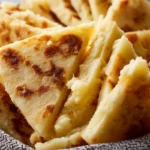
Irish Potato Bread: A Deep Dive into Ireland’s Beloved Bread
- Total Time: 25 minutes
- Yield: 8 pieces 1x
- Diet: Vegetarian
Description
Irish potato bread is a soft, rustic flatbread made from mashed potatoes and flour. Born from humble beginnings, this traditional bread is a symbol of Irish resilience and heritage. Easy to prepare and deeply satisfying, it can be enjoyed at breakfast, lunch, or dinner—on its own or with eggs, jam, or savory sides.
Ingredients
-
2 cups mashed potatoes (preferably cold, leftover mashed potatoes work best)
-
1 cup all-purpose flour (plus more for dusting)
-
2 tbsp unsalted butter (optional, softened)
-
½ tsp salt
-
(Optional) ¼ tsp baking soda or a splash of buttermilk
Instructions
-
Place mashed potatoes in a mixing bowl.
-
Add flour, salt, and butter if using.
-
Mix until a soft dough forms. If it’s sticky, add a little more flour.
-
Turn dough onto a floured surface. Knead gently for a minute.
-
Roll dough to about ½ inch thick.
-
Cut into circles or triangles.
-
Heat a non-stick or cast iron pan over medium heat (no oil needed).
-
Cook pieces for 3–4 minutes per side until golden brown spots form.
-
Remove and serve warm with butter, jam, or alongside savory dishes.
Notes
Use starchy potatoes like Russets for the best texture.
If the dough is too dry, add a spoon of milk.
Want it crispier? Cook a little longer or use a cast-iron pan.
Great with eggs, beans, or a slice of Irish cheese.
- Prep Time: 15 minutes
- Cook Time: 10 minutes
- Category: Bread
- Method: Pan-fried
- Cuisine: Irish