
From the vibrant streets of Kingston to kitchens around the globe, Jamaican jerk sauce has become a bold ambassador of Caribbean flavor. This iconic sauce doesn’t just spice up food—it tells a story. A story of heritage, resilience, and deep-rooted tradition.
Packed with fiery heat and aromatic spices, jerk sauce is more than a marinade. It’s a celebration of culture, a symbol of Jamaican pride, and a punch of flavor that transforms even the simplest dish. Whether you’ve tasted it before or are just discovering its magic, this guide will explore every delicious detail.
Let’s kick things off with a look at the sauce’s origin and its deep ties to Jamaican identity.
Introduction
Overview of Jamaican Jerk Sauce
Jamaican jerk sauce is more than just a spicy condiment. It’s the heartbeat of Jamaica’s culinary spirit. Known for its intense flavor and distinct aroma, this sauce combines Scotch bonnet peppers, allspice, and a mix of fresh herbs and spices to create a signature taste. Each ingredient serves a purpose, building a symphony of heat, sweetness, earthiness, and depth.
What makes jerk sauce truly special, though, is how it adapts. It can be fiery or mild, thick or pourable, depending on the cook’s hand. You’ll find it brushed on grilled meats, drizzled over veggies, or used as a dip for plantain chips. And every version tells a slightly different tale.
Importance in Jamaican Culture
Now, let’s talk heart and soul. In Jamaica, jerk cooking is more than a meal—it’s a ritual. You’ll smell it long before you see it. Charcoal smoke in the air, the sizzle of food on the grill, and the unmistakable scent of pimento wood and hot peppers. It’s a social thing—families gather, neighbors share, and travelers flock to roadside stands, hoping to get a taste.
The sauce itself is often homemade and passed down through generations. Each version carries the touch of a grandmother’s wisdom or a father’s Sunday routine. From rural villages to city centers, jerk sauce holds a place of honor at every table.
Whether you’re after authenticity or just curious about big flavors, understanding the roots of jerk sauce will give you a deeper appreciation of every bite. Now, we’ll travel back in time to uncover how this bold, unforgettable sauce came to be.
The Origins of Jamaican Jerk Sauce
Indigenous Roots
The story of Jamaican jerk sauce starts long ago with the Taino people. They were the first known inhabitants of Jamaica. These native islanders used local spices and slow-cooked their food over open flames. Their method helped keep meat juicy and full of flavor.
One of their secrets? Allspice berries, also known as pimento. These small, dried berries added a warm, peppery taste. They also used hot peppers to give their meals a spicy kick. Sound familiar? That’s because many of today’s jerk ingredients come straight from the Taino way of cooking.
Maroon Contributions
When Africans were brought to Jamaica, some escaped and became known as Maroons. They settled deep in the mountains, living off the land and keeping their traditions alive.
To cook without drawing attention, the Maroons would dig holes and slow-roast meat underground. This smoky method added deep flavor and kept food tender. They used wild herbs, Scotch bonnet peppers, and local spices to create rich, fiery sauces. Over time, these blends became what we now call jerks.
The Maroons didn’t just preserve their roots—they mixed them with the island’s native traditions. That blend of cultures made jerk sauce what it is today: bold, spicy, and full of history.
Evolution Over Time
As centuries passed, jerk cooking grew. It moved from forest pits to backyard grills. Vendors began selling it on roadside stands. Tourists caught on, and soon, jerk sauce was known far beyond the Caribbean.
Today, you can find bottled jerk sauce in stores worldwide. But even now, the best versions still come from Jamaican homes, where recipes are handed down like family treasures.
And that’s what makes it special. Jerk sauce isn’t just food. It’s survival. It’s a celebration. It’s culture in a bottle.
Next, let’s break down what goes into this powerful little sauce—and why each ingredient matters.
Key Ingredients in Jamaican Jerk Sauce
Essential Components
Jerk sauce gets its bold flavor from a mix of fresh, strong ingredients. Each one brings something different to the table.
Scotch Bonnet Peppers
These small, bright peppers are very hot. They also have a sweet, fruity flavor. This combo gives jerk sauce its fire and its charm.
Allspice (Pimento)
This spice is a must. It tastes like cloves, cinnamon, and nutmeg all in one. It adds warmth and depth to the sauce.
Thyme
Fresh thyme brings an earthy, slightly minty taste. It pairs well with peppers and garlic.
Garlic and Ginger
Garlic adds bite. Ginger adds warmth and a little sweetness. Together, they give the sauce its sharp edge.
Brown Sugar
This sweetens the sauce. It also helps balance the heat. Just a little makes a big difference.
Soy Sauce and Vinegar
Soy sauce adds salt and umami. Vinegar has a tangy kick. They both help tenderize meat when the sauce is used as a marinade.
Optional Additions
Cinnamon and Nutmeg
These spices add warmth. They work well with allspice for a rich, full flavor.
Lime Juice
This gives a fresh, sour note. It also helps brighten the other flavors.
Green Onions (Scallions)
These bring a sharp, clean taste. They also help mellow out the heat a bit.
Every ingredient matters. Together, they create a balance of heat, sweetness, spice, and depth. And that’s what makes Jamaican jerk sauce so special—every bite has layers.
Next, let’s talk about how to make this sauce from scratch. It’s easier than you might think.
How to Make Authentic Jamaican Jerk Sauce
Traditional Preparation
Making Jamaican jerk sauce at home is simple. You just need the right ingredients and a blender.
Start by gathering the basics: Scotch bonnet peppers, allspice, thyme, garlic, ginger, green onions, soy sauce, vinegar, lime juice, and a bit of brown sugar. Some add oil to smooth it out, but that’s up to you.
Chop the fresh ingredients roughly. Add everything into a blender or food processor. Blend until smooth. That’s it!
Taste it. Too hot? Add more sugar or lime juice. Not spicy enough? Toss in another pepper. Jerk sauce is flexible.
You can use it right away. Or store it in the fridge for a day to let the flavors grow stronger.
Modern Variations
Everyone makes jerk sauce a little differently. Some like it sweeter. Others want more heat.
Modern recipes may add pineapple juice, orange zest, or even molasses. These give the sauce a fruity twist or a deeper flavor.
If you’re cooking for kids or people who don’t like spice, use fewer peppers. You’ll still get the flavor without the burn.
Some skip soy sauce and use coconut aminos for a lower-sodium version. You can also switch vinegar types for a new flavor.
Storage and Shelf Life
Keep jerk sauce in a clean jar with a lid. Store it in the fridge.
It will stay fresh for about two weeks. For longer storage, freeze it in small batches.
When you’re ready to use it again, just thaw and stir.
Fresh or frozen, jerk sauce keeps its bold flavor. Next, let’s see how to use it in cooking. From grilled dishes to veggie meals—it does it all.
Versatile Uses of Jamaican Jerk Sauce
Marinating Proteins
Jamaican jerk sauce works great as a marinade. It brings a strong, bold flavor to many foods.
Chicken
This is the most common use. Coat the chicken in jerk sauce and let it sit for at least 2 hours. Overnight is even better. Then grill or bake it until it’s juicy and cooked through.
Seafood
Fish and shrimp also taste amazing with jerk sauce. Marinate for less time—about 30 minutes is enough. It adds heat and flavor without hiding the taste of the seafood.
Tofu and Tempeh
Jerk sauce isn’t just for meat. Tofu and tempeh soak up flavor, too. Use the same method—marinate, then grill, bake, or pan-fry. The outside turns crisp while the inside stays tender.
As a Condiment
You don’t have to marinate with it. Jerk sauce can also be used straight from the jar.
Spoon it over rice, grilled veggies, or roasted potatoes. Spread it on sandwiches or burgers for a spicy twist. Add it to wraps for an extra kick.
It also pairs well with dips. Mix it into mayo or sour cream for a simple jerk dip.
In Fusion Cuisine
Jerk sauce can go beyond traditional Jamaican food.
Try it on flatbreads with cheese and veggies. Add it to pasta for a spicy surprise. Drizzle it on tacos or mix it into grain bowls. Even a small spoonful can lift the whole dish.
Don’t be afraid to try new combos. Jerk sauce loves to play.
Next, we’ll see how different cooking styles bring out its best flavors—from smoky grills to slow cookers.
Traditional and Modern Cooking Methods
Traditional Pit Grilling
The best way to cook with Jamaican jerk sauce is over an open fire. This is how it was done for centuries in Jamaica. The meat is slow-cooked in a pit, which gives it a smoky flavor.
The heat from the fire and the wood creates a special taste. Traditional jerk uses pimento wood for the perfect smokiness. It takes time, but the result is tender, flavorful meat.
If you don’t have a pit, don’t worry! We’ll cover other ways to cook jerky next.
Modern Grilling and Baking
Most people don’t have access to a pit, but that doesn’t mean you can’t get great results.
Grilling over charcoal or gas works well. You can still get a smoky taste with a good sear on the outside. Marinate your meat in jerk sauce, then grill it over medium heat. Flip it until it’s crispy on the outside and cooked on the inside.
For a faster option, you can bake jerk-marinated meat in the oven. Set the temperature to around 375°F (190°C). Bake for 25–30 minutes or until the meat reaches the right temperature.
The key is to use a good grill or oven and to make sure the meat gets nice and crispy.
Smoking and Slow Cooking
Smoking your food brings out deep, rich flavors. Use a smoker or a grill with a lid to cook the meat slowly. The low heat and smoky flavor mix perfectly with the jerk sauce.
Slow cookers also work for jerk-style cooking. You can add marinated meat to a slow cooker, set it to low, and let it cook for several hours. This method is perfect for tenderizing tougher cuts of meat like chicken thighs or beef.
Slow cooking keeps the meat juicy while absorbing all the jerk flavor.
Now that you know how to cook jerk, let’s look at some side dishes that pair perfectly with it. You can’t have a jerk without the right sides!
Complementary Dishes to Serve with Jerk Sauce
Traditional Jamaican Sides
When you have jerk sauce, you need the right sides to balance the flavors. Here are some Jamaican classics that work perfectly.
Rice and Peas
This is a must-have. The rice is cooked with kidney beans, coconut milk, and thyme. The creamy coconut and earthy beans complement the spicy jerk sauce. It’s a perfect match.
Festival
Festival is a type of sweet fried bread. It’s soft on the inside and crispy on the outside. The sweetness helps cool down the heat from the jerk sauce.
Bammy
Bammy is a flatbread made from cassava. It has a dense, chewy texture and soaks up the jerk sauce beautifully. It’s another great side that adds a different flavor.
Beverages
When it comes to drinks, you want something to cool down the spice. Here are a few of my favorites.
Sorrel
This is a Jamaican drink made from hibiscus flowers. It’s sweet, tangy, and refreshing. The deep red color and fruity taste make it a great companion to jerk food.
Ginger Beer
Not the kind of beer you’re thinking of! This ginger drink is spicy and sweet. It pairs well with the heat of the jerk sauce and gives a nice balance.
Both drinks add to the authentic Jamaican experience. They help tame the heat while enhancing the flavors.
Now that we’ve covered sides, let’s dive into the health benefits of jerk sauce. Yes, it’s flavorful and spicy—but is it good for you, too? Let’s find out.
Nutritional Aspects of Jamaican Jerk Sauce
Health Benefits
Jerk sauce is more than just tasty. It also has some health benefits.
Scotch Bonnet Peppers
These peppers are rich in capsaicin, which can help boost metabolism. Capsaicin is known to help burn fat and reduce inflammation. It also releases endorphins, which can make you feel good after eating spicy food.
Allspice
This spice isn’t just for flavor. Allspice has antioxidant properties, which help protect your cells. It can also aid in digestion and has anti-inflammatory effects.
Garlic and Ginger
Both garlic and ginger are known for their health benefits. Garlic can help lower cholesterol, while ginger can soothe your stomach and reduce nausea. Together, they add more than just flavor—they offer health benefits, too.
Dietary Considerations
Jerk sauce can easily fit into different diets.
Low-Sodium Options
If you’re watching your salt intake, you can make a low-sodium version of jerk sauce. Simply use a salt-free soy sauce or reduce the amount of soy sauce used.
Vegan and Gluten-Free
Jerk sauce is naturally vegan and gluten-free. You don’t need to worry about any animal products or gluten in the ingredients. This makes it a great option for people with dietary restrictions.
By adjusting a few ingredients, you can make jerk sauce fit many different health needs. It’s delicious and flexible, perfect for any meal.
Now, let’s tackle some of the most common questions people ask about jerk sauce. You might find the answers helpful!
Frequently Asked Questions (FAQ)
What is the shelf life of homemade jerk sauce?
Homemade jerk sauce lasts for about two weeks in the fridge. For longer storage, you can freeze it. When frozen, it stays good for up to three months. Just thaw it out when you’re ready to use it.
Can I use habanero peppers instead of Scotch bonnet?
Yes, you can. Habanero peppers are similar in heat and flavor to Scotch bonnet peppers. However, Scotch bonnet peppers have a slightly fruitier taste. Habaneros will still give you that spicy kick, but the flavor might be a bit different.
Is jerk sauce suitable for vegetarians or vegans?
Absolutely! Jerk sauce is vegan and vegetarian-friendly. You can use it with plant-based proteins like tofu or tempeh or even vegetables. It’s a great option for those who don’t eat meat.
How spicy is jerk sauce?
Jerk sauce can be quite spicy, especially if you use a lot of Scotch bonnet peppers. If you prefer less heat, you can adjust the amount of pepper. Just add a little at a time until you reach your desired spice level.
Can I use jerk sauce as a dipping sauce?
Yes! Jerk sauce works great as a dipping sauce. You can dip veggies, fries, or even bread. It adds a burst of flavor to anything you pair it with.
Now that we’ve answered some common questions, it’s time to wrap things up and reflect on why Jamaican jerk sauce is such a beloved and essential part of the kitchen. Let’s go to the conclusion.
Conclusion
Recap of Jerk Sauce’s Significance
Jamaican jerk sauce is more than just a marinade or condiment. It’s a key part of Jamaican culture. It brings heat, flavor, and history to every dish. Whether you’re grilling chicken, marinating tofu, or making a dip, jerk sauce adds something special to your meal.
Encouragement to Explore
Now that you know how to make and use jerk sauce, why not try it yourself? It’s easy to make, and the possibilities are endless. You can create different levels of heat, experiment with new flavors, and find your perfect balance.
Final Thoughts
Jerk sauce is bold, spicy, and full of character. It’s a celebration of Jamaica’s rich culinary heritage and a taste that’s loved around the world. With just a few ingredients, you can bring the flavors of the Caribbean right to your kitchen.
So, fire up the grill, grab some fresh ingredients, and enjoy the unforgettable flavor of Jamaican jerk sauce. Happy cooking!
Print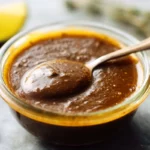
Jamaican Jerk Sauce: A Flavorful Journey into Jamaican Cuisine
- Total Time: 10 minutes
- Yield: About 1½ cups 1x
- Diet: Vegan
Description
Jamaican jerk sauce is a bold, fiery blend of Scotch bonnet peppers, allspice, herbs, and aromatics. Deeply rooted in Caribbean culture, this versatile sauce works as a marinade, condiment, or dip. It’s perfect for meats, seafood, tofu, or vegetables. Easy to make and packed with flavor, it brings the authentic taste of Jamaica straight to your kitchen.
Ingredients
-
4 Scotch bonnet peppers (adjust for heat)
-
1 tablespoon allspice (ground)
-
1 tablespoon fresh thyme (or 1 tsp dried)
-
4 cloves garlic, peeled
-
1 tablespoon fresh ginger, chopped
-
4 green onions (scallions), chopped
-
2 tablespoons brown sugar
-
1/4 cup soy sauce
-
1/4 cup white vinegar or apple cider vinegar
-
Juice of 1 lime
-
1/2 teaspoon cinnamon (optional)
-
1/4 teaspoon nutmeg (optional)
-
2 tablespoons vegetable oil (optional, for smooth texture)
-
Salt and pepper to taste
Instructions
-
Add all ingredients to a blender or food processor.
-
Blend until smooth. Scrape down the sides if needed.
-
Taste and adjust heat, salt, or sweetness.
-
Use immediately or store in an airtight jar in the fridge.
-
For best flavor, let the sauce rest 24 hours before using.
Notes
Use gloves when handling Scotch bonnet peppers.
Store in the refrigerator for up to 2 weeks.
Freeze in small containers for up to 3 months.
Use less peppers or remove seeds to reduce heat.
Great as a marinade, glaze, or dipping sauce.
- Prep Time: 10 minutes
- Cook Time: 0 minutes
- Category: Sauce / Marinade
- Method: Blending / No-Cook
- Cuisine: Jamaican / Caribbean