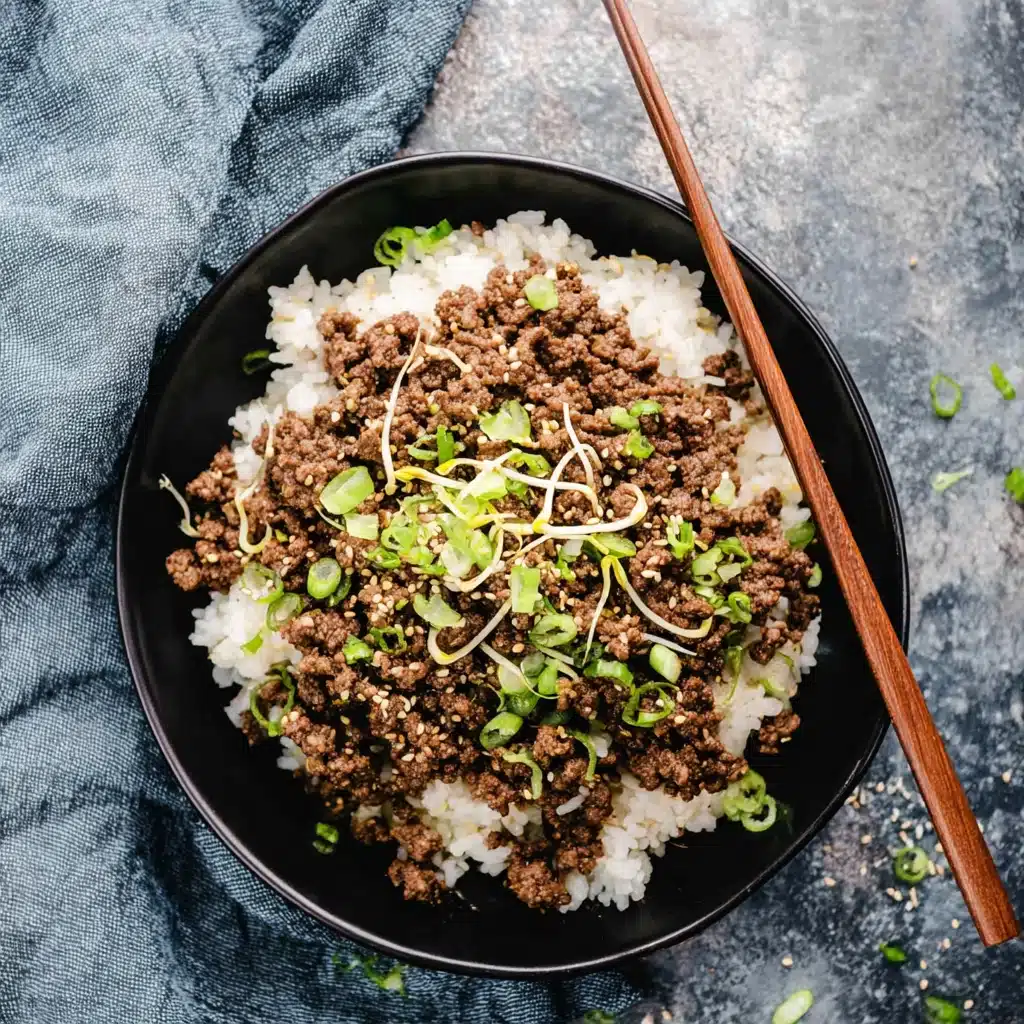
Craving korean beef and rice on a busy night? Same. I grew up on speedy skillet dinners, and this bowl checks every box: sweet-savory beef, steamy rice, and crunchy green onions. Moreover, it costs little, cooks fast, and tastes like a cozy takeout knockoff. However, you still control the ingredients, the heat, and the balance. In this guide, I share my go-to korean beef and rice approach, the sauce ratio that just works, plus clever swaps for meal prep for the week for one. Additionally, you’ll see simple sides, storage tips, and a tidy recipe card to cook tonight and enjoy tomorrow.
The Story & Intro
Weeknight cravings, solved
I remember the first time I rushed home after a long commute, starving and still wanting something better than a basic supper ground beef scramble. Naturally, I wanted flavor. But I also wanted speed. So I browned beef, hit it with soy, brown sugar, garlic, a whisper of ginger, and a flick of heat. Then I spooned it over rice. Instantly, it felt like a warm hug. Since then, korean beef and rice has become my weeknight standard: fast, forgiving, and deeply satisfying. Also, it doubles as healthy mealprep dinner when I portion bowls for later. Because the sauce clings, the beef stays juicy, and the rice soaks up every drop. Even better, I can tweak the heat for friends who love a kick. When you need easy healthy dinner with beef, this bowl does not disappoint. It brings bold flavor with minimal fuss. Furthermore, it fits busy seasons and tight budgets. Whenever I crave comfort, I reach for this reliable combo. With just a skillet and a bowl, I get a meal that feels complete.
Pantry-friendly comfort with korean beef and rice
I love that korean beef and rice leans on pantry staples. Brown sugar, soy sauce, sesame oil, garlic, and ground ginger hang out in most kitchens. Because of that, I can cook without a store run. Additionally, the recipe scales. Cook for one, or feed four. Add veggies, or keep it classic. The base stays the same, and the flavor still shines. Also, it beats restaurant wait times. In under 20 minutes, dinner lands on the table. For grown beef recipes that deliver, this one lives at the top of my staple dinner recipes. Moreover, leftovers reheat like a dream.
Print
Korean Beef and Rice Bowls
- Total Time: 20 minutes
- Yield: 4 1x
Description
Fast, glossy Korean ground beef over hot rice with garlic, ginger, soy, and a touch of sweetness. Perfect for weeknights and meal prep.
Ingredients
- 1 pound lean ground beef (90% lean)
- 3 garlic cloves, minced
- 1/4 cup packed brown sugar
- 1/4 cup reduced-sodium soy sauce
- 2 teaspoons sesame oil
- 1/4 teaspoon ground ginger
- 1/4 teaspoon crushed red pepper flakes
- 1/4 teaspoon black pepper
- 2 cups hot cooked white or brown rice
- Sliced green onions and sesame seeds, for garnish
Instructions
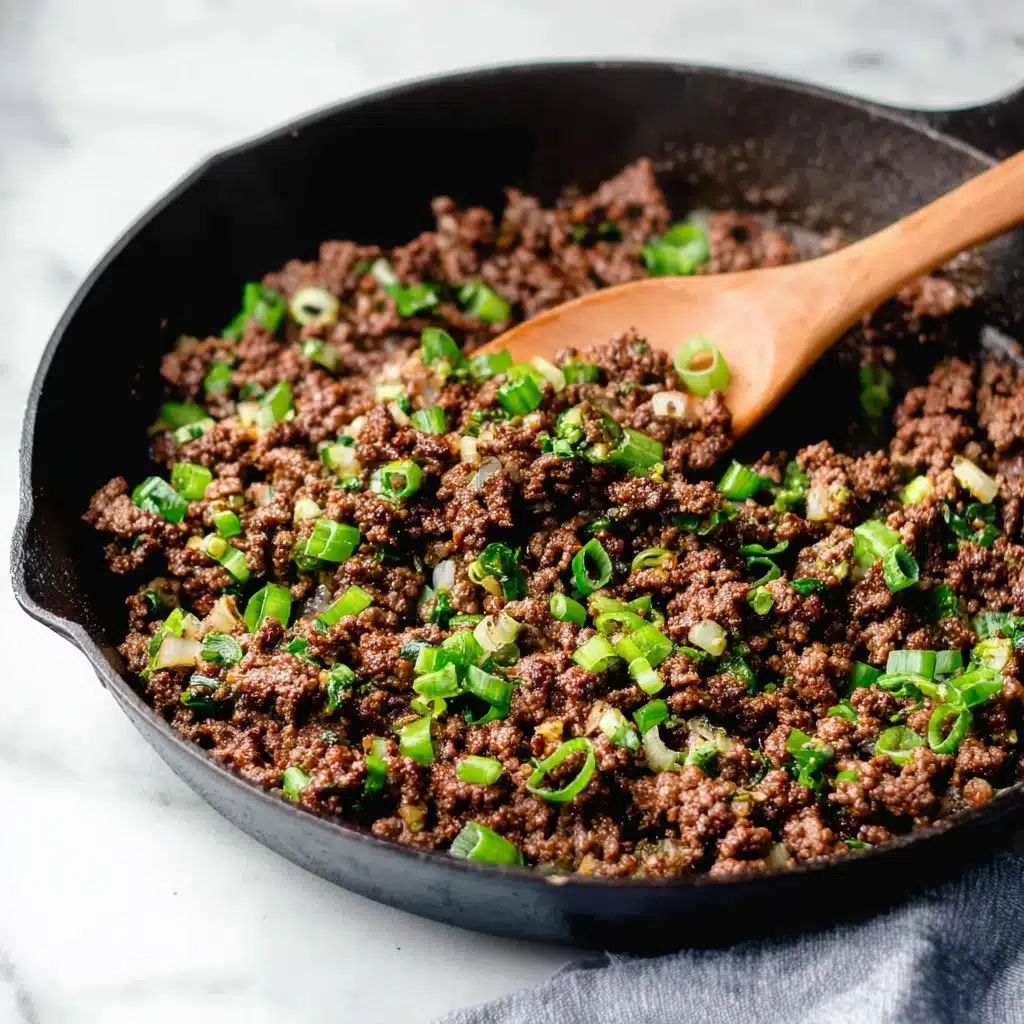
- Cook ground beef and garlic in a large skillet over medium heat, breaking into crumbles, until no longer pink; drain.
- Whisk brown sugar, soy sauce, sesame oil, ginger, red pepper flakes, and pepper in a bowl.
- Pour sauce over beef; simmer 1–2 minutes until glossy and slightly thickened.
- Serve over hot rice; garnish with green onions and sesame seeds.
Notes
- For spicier bowls, add extra red pepper flakes or 1 tsp gochujang.
- For meal prep, portion rice and beef separately and garnish after reheating.
- Prep Time: 5 minutes
- Cook Time: 15 minutes
- Category: Main Course
- Method: Stovetop
- Cuisine: Korean
Nutrition
- Serving Size: 1 bowl
- Calories: 238
- Sugar: 14
- Sodium: 610
- Fat: 8
- Saturated Fat: 3
- Unsaturated Fat: 5
- Trans Fat: 0
- Carbohydrates: 16
- Fiber: 1
- Protein: 25
- Cholesterol: 70
Flavor Foundations
Sauce ratios that stick to the rice
Great bowls start with balance. Consequently, I stick to a simple 1:1 of packed brown sugar to reduced-sodium soy sauce. For one pound beef, ¼ cup each hits that sweet-salty harmony. Then I add 2 teaspoons sesame oil for nutty aroma, 3 minced garlic cloves for punch, and ¼ teaspoon ground ginger for warm spice. Additionally, I sprinkle ¼ teaspoon crushed red pepper flakes for gentle heat. Importantly, I simmer the sauce with the beef for a minute or two. Therefore, it glazes the meat and hugs the grains. When I crave a General Tso ground beef vibe, I bump the red pepper slightly. However, for kids, I dial it down. Because the sauce concentrates quickly, it never tastes watery. Moreover, that quick simmer marries all the flavors so every bite feels cohesive with the rice.
Balance sweet heat and savory depth
I like reduced-sodium soy sauce because it keeps salt in check while still tasting bold. Additionally, sesame oil delivers that toasty finish. If you want deeper umami, add a splash of rice vinegar for pop, or a touch of gochujang for body and heat. However, start small and taste as you go. Since brown sugar caramelizes fast, watch the pan and keep medium heat. Also, stir often to prevent hot spots. You want glossy beef, not burnt edges. Because the rice carries flavor, I season that too. A pinch of salt in cooking water helps. Ultimately, korean beef and rice tastes best when both elements sing.
Speedy Meal Prep Strategy
Batch once, eat well all week
When I plan beef lunches, I double the beef while I cook a big pot of rice. Then I portion containers: rice on one side, beef on the other. Because separation reduces sogginess, texture stays right. For meal prep for the week for one, I portion in smaller containers. Therefore, I only reheat a single serving. Also, I tuck chopped green onions separately, then sprinkle right before eating. If I crave meat and veggie dinner ideas, I add steamed broccoli or shredded carrots to a couple containers. They reheat quickly and love that glossy sauce.
torage that keeps texture right
I cool rice and beef slightly before sealing. Consequently, condensation stays low, and grains don’t clump. I store in the fridge for up to four days. For the freezer, I prefer packing plain rice separately from sauce-coated beef. However, you can also freeze complete bowls; just thaw overnight. Additionally, when you reheat, splash a teaspoon of water over rice and cover. Therefore, steam revives the grains. Stir beef midway so the sauce loosens. Moreover, garnish after heating for the freshest bite. This workflow makes easy healthy dinner with beef feel effortless on hectic nights.
Customization and Swaps
Veg add-ins that love the sauce
Crisp-tender veggies shine here. Consequently, I often stir in julienned carrots, shredded cabbage, or snap peas during the last minute. Because the sauce already balances sweet and salty, these veggies taste vibrant. Additionally, quick-pickled cucumbers on the side add cool crunch. If you want more fiber, use brown rice. However, jasmine rice brings that classic takeout perfume. For a lighter spin, serve over cauliflower rice. Also, a fried or jammy egg adds richness and turns bowls into brunch-friendly plates.
Protein and grain swaps for flexibility
Ground turkey or chicken work well with the same sauce. Just watch cook time. Because leaner meats dry out faster, pull them off heat as soon as they’re done. For steak bites, sear cubes, then glaze briefly. Moreover, quinoa or farro swap in for rice when you want extra protein or chew. If you chase gluten-light options, pick tamari instead of soy sauce and confirm labels. When you crave variety beyond grown beef recipes, these swaps keep the rotation fresh while you still enjoy that signature glaze.
Serving, Sides, and Leftovers
Plate it like your favorite takeout
I heap rice in a warm bowl, spoon beef over top, and shower with sliced green onions and sesame seeds. Additionally, I add a side of steamed broccoli or garlicky sautéed spinach. Kimchi on the side brings tangy heat and crunch. Because small touches set the mood, I drizzle a tiny stream of sesame oil before serving. For guests, I keep extra red pepper flakes at the table. Naturally, everyone dials the heat to taste. This bowl sits right beside my other staple dinner recipes, yet it always feels special.
Reheat tips that taste fresh
Leftovers should taste lively. Therefore, I reheat rice with a teaspoon of water and cover until steamy. I warm beef in short bursts, stirring once. Moreover, I refresh with a pinch of green onions and a sprinkle of sesame seeds. If the sauce thickens in the fridge, add a splash of water while warming. However, don’t drown it. A little loosens the glaze and keeps flavor bold. With thoughtful reheating, korean beef and rice tastes like you just cooked it, even on day three.
FAQ
Can I cut the sugar?
Yes. Start with 2 tablespoons brown sugar and taste. However, balance with a little rice vinegar if it leans too salty.
What rice works best?
Jasmine tastes classic. However, brown rice brings nutty chew and more fiber. Also, short-grain white gives a sticky base that holds beef well.
How do I scale for a crowd?
Double all ingredients. Additionally, cook beef in batches for good browning. Then combine and glaze.
Can I make it spicier?
Yes. Add more red pepper flakes or a teaspoon of gochujang. However, add gradually and taste.
Is this freezer-friendly?
Yes. Freeze beef and rice separately for best texture. Thaw overnight. Then reheat gently with a splash of water.
Conclusion
Korean beef and rice bowls bring comfort, speed, and big flavor to any night of the week. Because the sauce uses pantry staples, you can get dinner ready fast. Moreover, the recipe flexes for meal prep, different proteins, and favorite veggies. Tonight, grab a skillet and make the glossy beef that started it all. Then pack a bowl for tomorrow. Simple. Satisfying. Reliable.
Discover more delicious recipes by following me on Facebook and Pinterest.