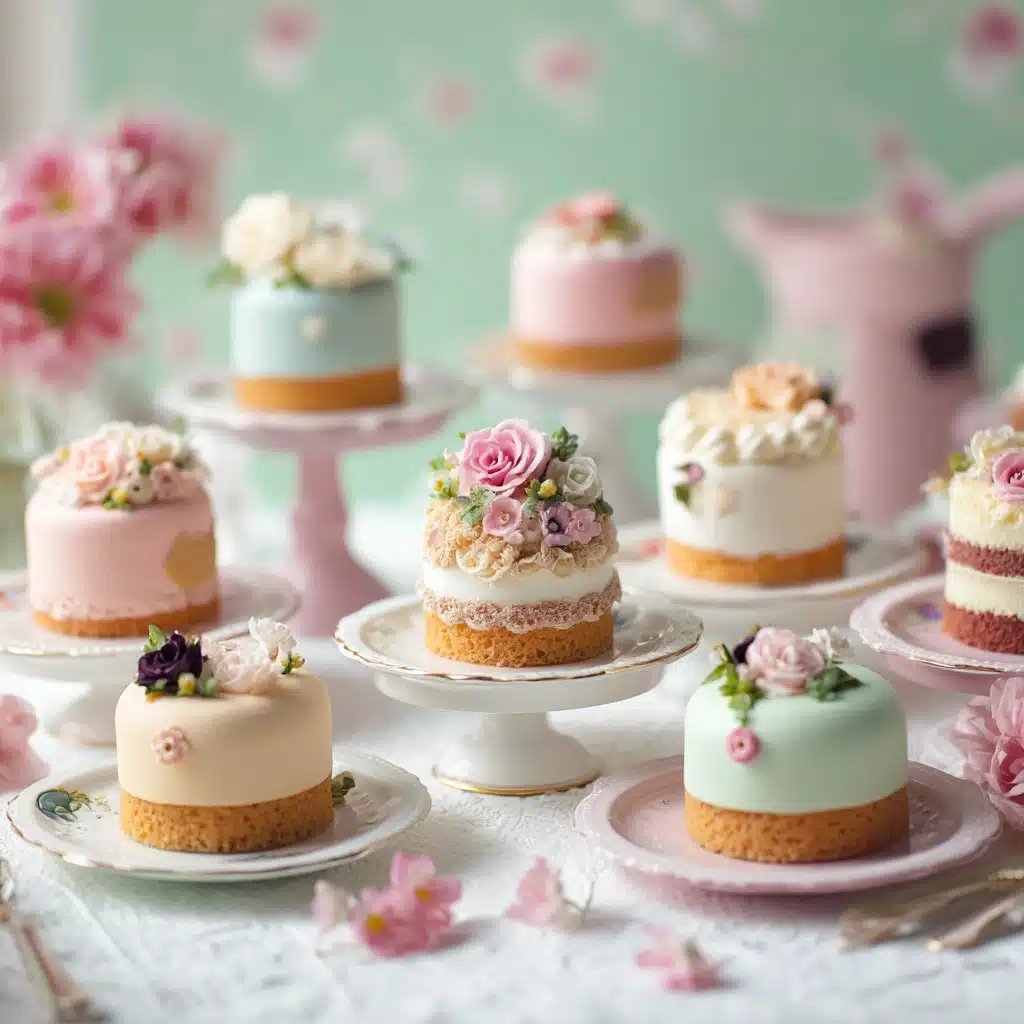
A great mini cakes recipe always feels like a small celebration. I learned that years ago when I baked my first batch after a long week and wanted something sweet without spending hours in the kitchen. I reached for cupcake tins, mixed a quick batter, and hoped for the best. Those tiny cakes came out warm, golden, and ridiculously good. They cooled fast, decorated fast, and disappeared even faster. Now I return to this mini cakes recipe whenever I want something cute, quick, and satisfying. In this article, I share the steps, ideas, and tips that help you bake perfect single-serve treats every time.
The Story Behind a Mini Cakes Recipe You’ll Want to Make Often
A Sweet Memory That Sparked My Love for Small Cakes
I still remember the moment I realized how powerful a simple mini cakes recipe could be. I had planned a last-minute dinner for a few friends. I wanted dessert, but time was tight. A full cake felt unrealistic. Cupcakes didn’t match the cozy vibe of the evening. So I tried a tiny round pan set I had ignored for years. I filled them with a quick vanilla batter and hoped they would turn out well. When they baked, the kitchen filled with warm, buttery fragrance. My friends admired the small size and the soft crumb. They loved how personal each cake felt.
Mini cakes changed the way I approached baking. They took away stress and replaced it with speed, charm, and fun. That’s what I want you to feel as you dive into your own mini cakes recipe today. You don’t need special tools. You don’t need hours. You don’t need advanced skills. You only need a simple method and a bit of creativity. The process moves fast, which makes it perfect for weeknights, celebrations, or sudden cravings.
Why This Mini Cakes Recipe Works Every Time
This mini cakes recipe gives you control. It helps you work in small batches, which removes pressure and makes mistakes less likely. You can try different flavors, swap ingredients, or test ideas without worrying about wasting a full batter. Mini cakes also cool fast, so you decorate sooner and serve sooner. This speed boosts confidence, especially if you enjoy baking but don’t want a long process. With this recipe, you create tiny desserts that feel gourmet but take far less time than classic cakes. You’ll love how simple it feels from the moment you start mixing.
Print
Mini Cakes Recipe
- Total Time: 30
- Yield: 12 mini cakes 1x
Description
Mini Cakes: How to Bake Perfect Single-Serve Desserts in 30 Mins
Ingredients
1 cup all-purpose flour (120g)
¾ cup granulated sugar (150g)
1½ teaspoons baking powder
¼ teaspoon salt
½ cup unsalted butter (113g), melted
2 large eggs, room temperature
2 teaspoons vanilla extract
½ cup milk (120ml)
1 cup unsalted butter (226g), softened
3 cups powdered sugar (360g), sifted
1–2 tablespoons milk or cream
1 teaspoon vanilla extract
Pinch of salt
Optional additions: lemon zest, cocoa powder, matcha, berries, spices
Instructions
1. Prepare baking equipment and preheat oven to 350°F.
2. Mix dry ingredients until evenly combined.
3. Whisk wet ingredients until smooth.
4. Fold wet and dry mixtures together gently.
5. Portion batter into greased pans, filling two-thirds full.
6. Bake 15–18 minutes until centers set.
7. Cool 5 minutes in pan, then move to rack.
8. Prepare simple buttercream by beating butter and sugar.
9. Decorate cooled cakes with frosting or glaze.
10. Personalize with toppings and serve.
Notes
Use pure vanilla for stronger flavor.
Avoid overmixing to keep cakes soft.
Store at room temperature or freeze for later use.
- Prep Time: 10
- Cook Time: 18
- Category: Dessert
- Method: Baking
- Cuisine: American
Nutrition
- Serving Size: 1 mini cake
- Calories: 185
- Sugar: 12.5
- Sodium: 95
- Fat: 9
- Saturated Fat: 5.5
- Unsaturated Fat: 0
- Trans Fat: 0
- Carbohydrates: 24
- Fiber: 0
- Protein: 2.5
- Cholesterol: 55
Building Flavor and Structure in Every Mini Cake
How a Mini Cakes Recipe Balances Texture and Taste
A reliable mini cakes recipe gives you a solid base that supports many flavors. You want a batter that stays tender, rises well, and keeps moisture without collapsing. That’s why this recipe uses simple ingredients that work together smoothly. Flour brings structure. Sugar softens the crumb and adds color. Butter adds richness and depth. Eggs create stability and help everything hold shape. Milk gives the batter fluidity and softness. When these ingredients blend the right way, the cakes bake evenly and stay light.
I learned this balance after years of trial and error. Early on, I tried adjusting too much at once. I added fruit without adjusting liquid. I swapped oils without considering weight. Some batches came out dense. Others tasted bland. But I kept returning to the same core mini cakes recipe because it set a dependable foundation. Once I respected that foundation, new flavor ideas worked beautifully. That’s when baking started feeling simple and intuitive.
Even better, this style of batter handles add-ins with grace. You can fold in berries, spices, flavored extracts, cocoa powder, or zest. When you keep the base structure stable, every flavor shines without making the cakes heavy.
Customizing a Mini Cakes Recipe for Any Occasion
This mini cakes recipe adapts quickly. When you want bright flavor, add lemon zest or a citrus glaze. When you crave something comforting, mix in cinnamon or warm spices. When you want elegance, use almond extract or a hint of matcha. These small additions transform the experience without changing the core method.
Because the cakes are small, each flavor becomes more noticeable. You can create sets with different tastes in a single batch. This makes them perfect for gatherings, tasting platters, or gift boxes. The mini format encourages creativity because you control every detail. You shape the mood, flavor, and style with just a few smart choices.
Practical Techniques That Strengthen Your Mini Cakes
Key Steps That Bring Out the Best in a Mini Cakes Recipe
A mini cakes recipe succeeds when you follow a few simple habits that keep the batter balanced and the texture soft. First, gather your tools before you start mixing. This small step saves time and keeps the process smooth. Next, whisk dry ingredients until everything looks even. This helps the cakes rise consistently. Then whisk the wet ingredients until the mixture looks silky and unified. When you combine both parts, fold gently and stop once streaks disappear. This prevents toughness and keeps the crumb tender.
I follow these steps every time because they stop the common problems that home bakers face. Overmixing tightens the crumb. Rushing the mixing stage causes uneven pockets. Using ingredients at very different temperatures creates an unstable texture. So I keep things steady, warm, and simple. Once these steps become routine, the mini cakes recipe feels almost effortless.
You also want to portion carefully. Each cavity should be two-thirds full so the cakes rise evenly without spilling. This small detail improves appearance and texture. When the oven reaches the right temperature, place the tray in the center. Let the cakes bake until a toothpick comes out with light crumbs. The moment they set, remove them. Small cakes bake quickly, so timing matters.
How to Finish Your Mini Cakes with Style and Confidence
Once the cakes cool, you can add character. A basic mini cakes recipe becomes beautiful with simple frosting, a quick glaze, or a dusting of sugar. I like to pipe small swirls when I want a polished look, but I also enjoy spreading frosting with a spatula for a relaxed style. Fresh berries, chopped nuts, or light sprinkles create instant charm. Even a simple drizzle feels impressive.
These finishing touches add personality without extra effort. They help you match the cakes to the season or the occasion. Because each cake is small, every detail stands out. This makes decorating fun instead of stressful. You get results that look thoughtful, even when you work fast.
Creative Ways to Serve and Personalize Every Mini Cake
Turning a Mini Cakes Recipe into Something Memorable
A mini cakes recipe gives you endless room for creativity, which is one reason I return to it so often. These small treats adapt to any mood, season, or celebration. When I host friends, I love offering a trio of flavors on one plate. Each one feels like a small surprise. Guests try more variety without feeling overwhelmed. This playful format makes the dessert experience engaging and fun.
You can also create a simple tasting board. Add a few mini cakes, a bowl of berries, a small pitcher of sauce, and a whipped cream swirl. This setup looks impressive even though it takes minutes. The mini format also helps you match flavors with ease. Lemon pairs well with fresh herbs or light tea. Chocolate pairs beautifully with berries or warm drinks. Vanilla blends with almost anything, which makes it great for events where everyone has different tastes.
These serving ideas help the mini cakes recipe shine. They turn small cakes into a dessert moment instead of a basic treat. You can scale up for parties or scale down for quiet evenings. Either way, the results feel thoughtful without demanding extra work.
A Mini Cakes Recipe That Fits Every Celebration
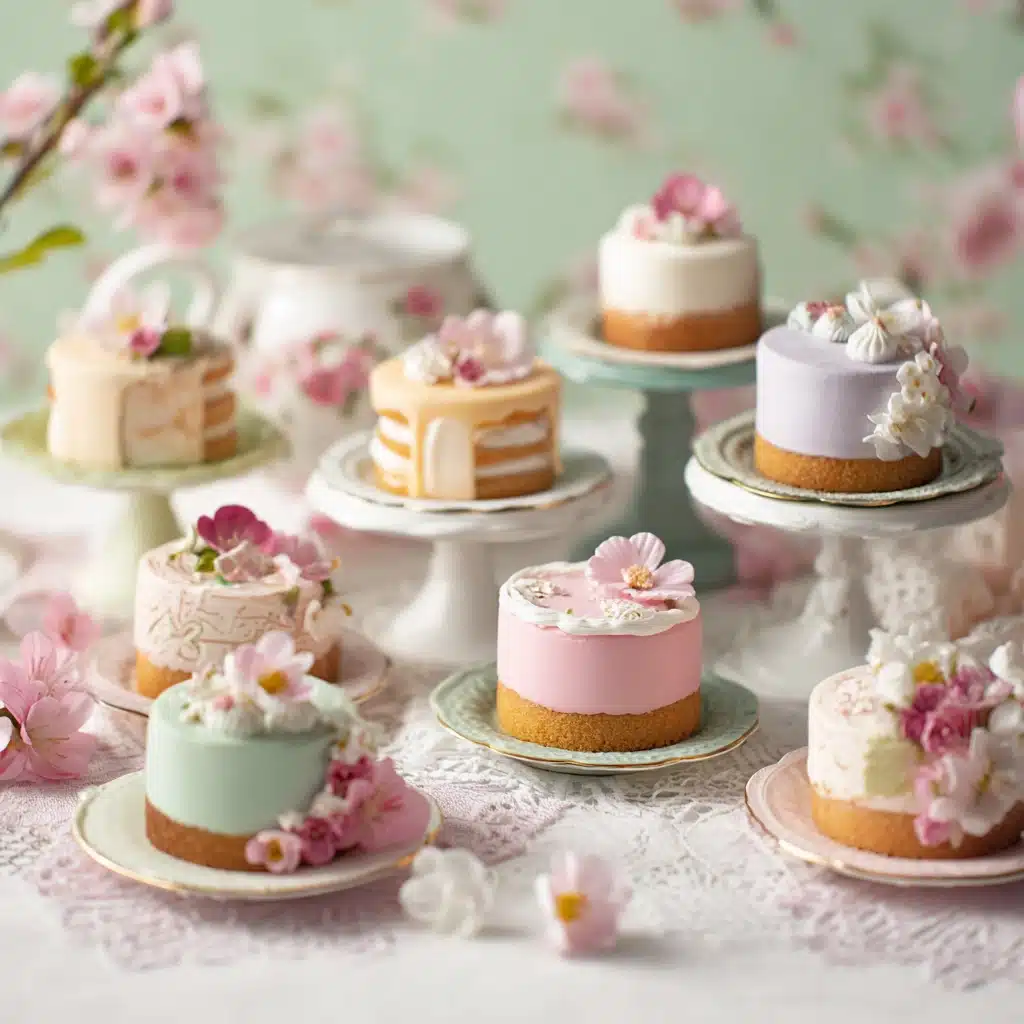
Another strength of this mini cakes recipe is how well it matches special occasions. Birthdays feel warm and personal when everyone receives their own decorated cake. Baby showers become lively with pastel colors, small toppers, and soft glazes. Holiday gatherings feel festive with bright frosting and spices. Even casual dinners feel elevated when you serve tiny cakes on individual plates.
Because each cake stands alone, you control variety. You can frost some, glaze others, and leave a few plain for guests who prefer simple treats. The mix looks appealing on a tiered stand or arranged across a long board. These tiny cakes carry charm, style, and flexibility. They give you a dessert that feels complete, even when time is short.
Helpful Troubleshooting and Storage Tips
Simple Solutions That Keep a Mini Cakes Recipe Reliable
Even the best mini cakes recipe needs a few troubleshooting tips, especially when you want consistent results. Small cakes bake fast, so small adjustments matter. If the cakes rise unevenly, check your oven temperature. Many ovens run hotter or cooler than expected. A small thermometer gives you accuracy and protects the batter from overbaking. If the cakes come out dense, mix less. Gentle folding keeps the crumb soft. When cakes stick to the pan, grease and flour with care. Mini pans have small grooves, so each detail matters.
I learned these lessons after dozens of test batches. Sometimes I lifted the cakes too soon. Sometimes I waited too long and the edges lost moisture. Now I use a simple rhythm. I cool the cakes for five minutes in the pan. Then I move them to a rack. This keeps the outside firm enough to release but still soft inside. When you follow these steps, you stop the common problems before they start.
You might also see sinking centers. This usually happens when the oven door opens too early. Small cakes react quickly to temperature changes. Once you place the tray inside, leave it undisturbed until you reach the final minutes. With small cakes, stillness supports a steady rise.
How to Store a Mini Cakes Recipe for Long-Lasting Freshness
A good mini cakes recipe stays delicious even after the first day when you store it correctly. Keep unfrosted cakes in an airtight container at room temperature for one to two days. If you want to frost early, store the cakes in the refrigerator. Bring them to room temperature before serving so the texture feels soft again.
When you freeze the cakes, wrap each one tightly. Freeze unfrosted versions first so they hold shape. Thaw them slowly in the refrigerator, then finish with frosting or glaze. This simple process keeps batches ready for busy weeks, parties, or late-night cravings. Good storage practices protect flavor, moisture, and structure, allowing you to enjoy perfect mini cakes anytime.
FAQs
Can I prepare a mini cakes recipe ahead of time?
Yes. You can bake the cakes one to two days in advance. Keep unfrosted versions at room temperature in an airtight container. If frosted, refrigerate them. Bring them back to room temperature before serving so the texture stays soft.
Can I use a muffin tin instead of special pans?
Yes. A muffin tin works well. It gives structure and helps the cakes rise evenly. Fill each cavity two-thirds full and check doneness after 15 minutes.
How do I stop cakes from sticking?
Use a light layer of butter or spray. Then add a thin dusting of flour. This combination helps the cakes release cleanly. Pay attention to small grooves if you use a decorative pan.
Can I adjust this mini cakes recipe for different flavors?
Yes. You can mix in zest, cocoa, spices, fruit, or extracts. Because the cakes are small, flavor shifts show clearly. This makes variety simple to manage in a single batch.
Can I freeze finished mini cakes?
Yes. Wrap each cake tightly. Freeze the unfrosted version first for best results. Thaw in the refrigerator. Then finish with frosting or glaze.
Conclusion
This mini cakes recipe gives you a fast, flexible way to bake desserts that feel personal and polished. You work with small portions, short baking times, and easy decoration options. These little cakes cool quickly, store well, and adapt to every flavor idea you want to try. They fit casual evenings, celebrations, and even thoughtful gifts. When you keep the steps simple and follow the key habits from this guide, you get tender cakes with steady results every time. Try your favorite flavor twist, share them with someone close, and enjoy how much joy a small dessert can bring.
Discover more delicious recipes by following me on Facebook and Pinterest.