
A warm batch of butterscotch chocolate chip cookies delivers rich flavor, soft centers, and a delightful mix of sweet chips in every bite. This cookie style remains popular because it blends old-fashioned comfort with modern texture. Many bakers search for a dependable recipe that stays chewy, bakes evenly, and tastes amazing. This guide explains everything you need to know, inspired by top search-ranking baking resources.
Understanding Chewy Butterscotch Chocolate Chip Cookies
What Makes Butterscotch Cookies Chewy
Chewy butterscotch chocolate chip cookies rely on balanced fat, sugar, and moisture. Brown sugar attracts moisture, helping each cookie stay soft. Brown butter adds depth as the toasted milk solids bring warm, mellow flavor. The melted butter method also removes air pockets, creating a denser feel. Cinnamon appears in many popular recipes because it warms the sweetness and complements the butterscotch chips without overwhelming their flavor.
Why Butterscotch Works With Chocolate
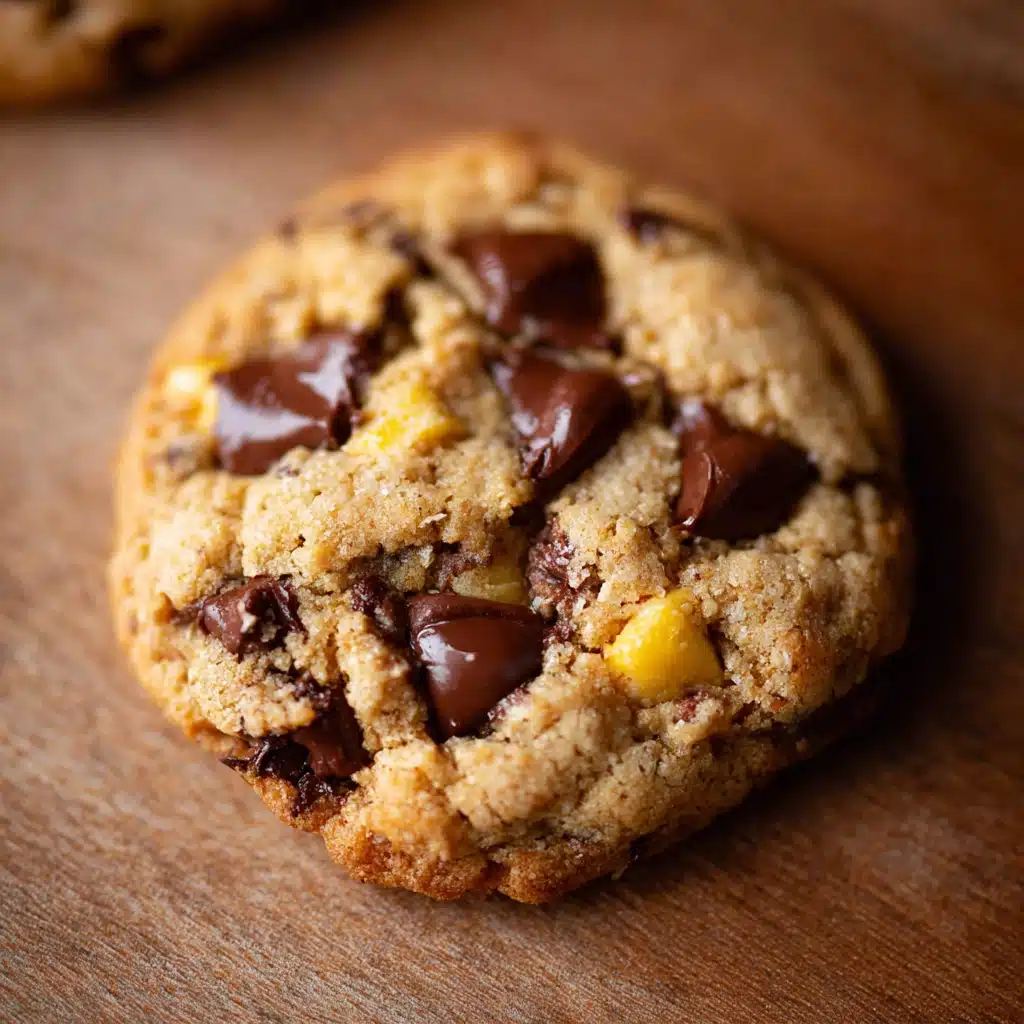
Butterscotch chips bring a buttery sweetness, while semi-sweet chocolate offers contrast. Both melt at similar rates and hold shape inside the dough. This pairing gives each cookie a full flavor profile. When combined with brown sugar, the entire cookie tastes round, smooth, and satisfying. Many bakers prefer mixing equal amounts to keep the sweetness steady and avoid overpowering the dough. The two chips create a strong sensory contrast that keeps each bite engaging.
Print
Butterscotch Chocolate Chip Cookies
- Total Time: 35 minutes
- Yield: 18 large cookies 1x
Description
These butterscotch chocolate chip cookies are chewy brown-butter cinnamon cookies loaded with butterscotch and chocolate chips.
Ingredients
2 1/2 cups All-purpose flour
1/2 tsp Baking soda
1/2 tsp Baking powder
1 tsp Salt
1 tsp Ground cinnamon
1 cup Plus 1 Tbsp Unsalted butter, browned and cooled
1 cup Brown sugar, packed
1/2 cup Granulated sugar
2 tsp Vanilla extract
2 Large eggs, room temperature
1 cup Butterscotch chips
1 cup Semi-sweet chocolate chips
Instructions
1. Melt butter in a frying pan until amber and cool to room temperature.
2. Sift flour, baking soda, baking powder, salt, and cinnamon.
3. Beat cooled butter, brown sugar, and white sugar for 2 minutes. Add vanilla and eggs.
4. Mix in dry ingredients, then fold in butterscotch and chocolate chips.
5. Preheat oven to 350°F and line baking sheets with parchment. Rest dough 10 minutes.
6. Scoop 2 Tbsp dough mounds and place 6 per tray.
7. Bake 13–15 minutes until edges are golden. Cool 5 minutes before transferring.
Notes
Spoon and level flour or use a scale.
Add 2 Tbsp extra flour for high altitude.
Bring eggs to room temperature.
For small cookies (1 Tbsp), bake 9–11 minutes.
- Prep Time: 20 minutes
- Cook Time: 15 minutes
- Category: Cookies
- Method: Baking
- Cuisine: American
Key Ingredients for Consistent Cookie Results
Importance of Brown Butter
Brown butter changes the depth of flavor. When heated, the milk solids toast and turn amber, adding a caramel tone that matches the butterscotch chips. Many top recipes recommend cooling the brown butter fully before mixing so the dough stays stable. If the butter is too warm, the dough becomes loose, leading to thin, over-spread cookies. When cooled to room temperature, the fat blends correctly with the sugars and produces that classic chewy structure.
How Cinnamon Adds Warm Complexity
A small amount of cinnamon adds warmth without turning the cookie into a spice cookie. Cinnamon lifts the flavor of brown sugar and makes the dough taste richer. Many leading bakers include one teaspoon for a balanced finish. This subtle spice helps the cookie feel cozy, and it pairs naturally with melted butter and caramel-like notes. While optional in some recipes, cinnamon consistently performs well in cookies with butterscotch elements.
Perfecting the Dough Texture
Balancing Dry Ingredients
Flour, baking soda, and baking powder control the cookie’s height and softness. A mix of both leaveners gives cookies lift while keeping the center tender. Sifted dry ingredients blend better, preventing pockets of baking soda or uneven salt distribution. The correct flour measurement remains essential. Too much flour dries out cookies and reduces spread. Too little flour produces thin, greasy cookies. The ideal dough should feel soft, slightly sticky, and easy to scoop.
Why Resting the Dough Matters
Allowing the dough to rest for at least ten minutes helps the flour absorb moisture. This step reduces spreading and strengthens the chew. Dough resting shows strong influence in top-ranking recipes and is often the difference between bakery-style results and flat homemade cookies. Even a short rest stabilizes the dough. For longer storage, many bakers refrigerate the dough for several hours to boost flavor and control structure even further.
Baking Techniques for Thick, Chewy Cookies
Correct Baking Time and Temperature
Consistent results depend on temperature control. Baking at 350°F gives cookies time to set while letting the edges brown gently. Pulling cookies out when the edges turn golden keeps the centers soft and chewy. Overbaking reduces flavor and leads to brittle edges. Leaving cookies on the tray for a few minutes after baking allows carry-over heat to finish setting the centers. This method ensures moist interiors without underbaking.
Using the Right Scoop Size
Large cookie scoops create bakery-style cookies. A two-tablespoon scoop produces thick centers and slow-melting pools of chocolate and butterscotch. Even spacing prevents overcrowding and encourages even browning. Using parchment paper helps the cookies bake evenly and prevents sticking. Scooping tall mounds rather than wide balls helps keep thickness through the bake. Texture improves when each scoop is formed consistently, which also ensures equal bake time.
Variations and Helpful Adjustments
Add-Ins That Improve Flavor and Texture
Many bakers enjoy mixing in nuts, extra cinnamon, or a blend of chips for added interest. Pecans and walnuts complement butterscotch well and add crunch. A pinch of flaky salt on top sharpens sweetness. For extra richness, some bakers swirl in chopped dark chocolate rather than chips. Adding mix-ins thoughtfully keeps the dough balanced. Too many additions disrupt baking, but a modest amount keeps the flavor lively and appealing.
Adjustments for Different Environments
High-altitude bakers often add extra flour to maintain structure. Warmer climates may need dough chilling to prevent spread. Cooler kitchens may require slightly longer baking times. Understanding humidity levels helps maintain stability. Using room-temperature eggs improves blending and prevents gummy centers. Small adjustments give bakers greater control. The goal remains consistent chew, rich flavor, and steady texture no matter the environment.
Frequently Asked Questions
Why do butterscotch cookies sometimes turn dry?
Dry cookies usually come from too much flour or overbaking. Proper measurement and pulling cookies out early prevent dryness.
Can I chill the dough overnight?
Yes. Chilled dough often produces thicker cookies and deeper flavor. Let it warm slightly before scooping.
Why brown the butter first?
Brown butter adds toasted flavor that pairs perfectly with butterscotch. It also enhances chewiness when cooled first.
Can I use dark chocolate instead of semi-sweet?
Yes, though the flavor becomes more intense. Many bakers enjoy mixing both for balance.
How do I store these cookies?
Keep them in an airtight container. They stay soft for several days and freeze well for long-term storage.
Conclusion
Chewy butterscotch chocolate chip cookies offer comforting flavor and generous texture. With brown butter, balanced chips, and careful mixing, each batch turns out soft and satisfying. This guide provides the structure and tips that top bakers rely on for consistent results. Once you master the process, you can easily personalize the dough while keeping its signature chewy texture intact.
Discover more delicious recipes by following me on Facebook and Pinterest.