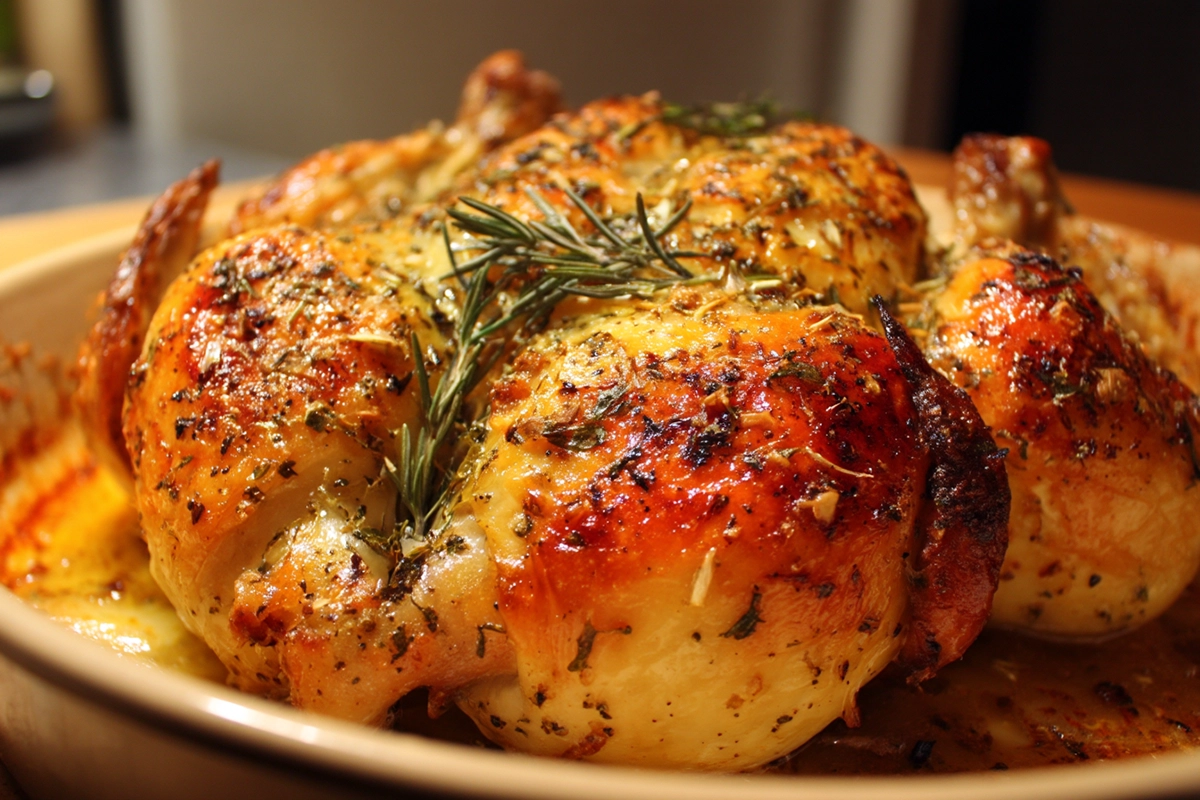
Oven-roasted chicken is a comforting meal that never goes out of style. It brings families together, fills kitchens with a mouthwatering aroma, and leaves everyone asking for seconds. Whether you’re planning a weekday dinner or a festive meal, this dish can be your go-to option for flavor and simplicity.
This guide covers everything you need—from understanding the basics of roasting to mastering flavor combinations. You’ll discover smart techniques, essential tools, and creative serving ideas to elevate your roasted chicken game.
Let’s start at the beginning and see what makes oven-roasted chicken so special.
Understanding Oven Roasting
What is Oven Roasting?
Oven roasting is a dry-heat cooking method. It uses hot air that surrounds the food to cook it evenly on all sides. Unlike frying or boiling, roasting doesn’t require added liquids. It allows the natural juices and fats to create a rich flavor and crispy texture.
When applied to chicken, this method gives a golden, crisp skin and tender, juicy meat. It’s no wonder that roasted chicken has become a classic in kitchens around the world.
Benefits of Oven Roasting Chicken
Roasting isn’t just a traditional way to cook—it has several key advantages. First, it’s convenient. Once the chicken is in the oven, you don’t have to hover over it. Secondly, it enhances flavor. The dry heat caramelizes the skin and seals in moisture.
Here’s why people keep coming back to oven-roasted chicken:
-
It’s easy to prepare with minimal hands-on time.
-
It delivers rich flavor with few ingredients.
-
It works for both whole chickens and smaller cuts.
-
It fits a variety of meals, from casual dinners to holiday feasts.
Why Choose Oven-Roasted Chicken Over Other Methods?
So why roast instead of grilling or sautéing? Good question. Roasting develops deep, concentrated flavors without requiring much oil. Also, it’s more forgiving. You’re less likely to burn or dry out the chicken compared to other methods.
Whether you want crispy skin, juicy meat, or a balanced taste throughout, oven-roasted chicken delivers. Plus, it’s easy to adapt—mild or bold spices, stuffed or plain, quick seasoning or overnight marinade—it all works beautifully in the oven.
Choosing the Right Chicken
Whole Chicken or Parts?
You can roast a whole chicken or just parts. A whole chicken is perfect for family meals. It looks nice and gives you both light and dark meat.
Chicken parts—like thighs, breasts, or drumsticks—cook faster. They are also easier to handle. Choose what fits your time and needs.
Fresh or Frozen Chicken?
Fresh chicken often tastes better. It has a soft texture and roasts more evenly.
Frozen chicken is fine, too. Just make sure it is fully thawed before cooking. Thaw it in the fridge for best results. Never thaw at room temperature—it’s not safe.
Organic or Regular Chicken?
Organic chicken comes from birds raised without added hormones. It can cost more but may have better flavor and fewer chemicals.
Regular chicken is cheaper and still good if handled properly. Look for clean packaging and check the expiration date.
How to Pick a Good Chicken
When shopping, check for:
-
Firm meat with no strong smell
-
Skin that is pale or yellow (not gray)
-
Packaging that’s cold and sealed tight
Always buy from trusted stores or markets. Good chicken is key for great results.
Tools and Prep for Roasting
Basic Tools You Need
You don’t need fancy tools. Just a few basics:
-
A roasting pan or baking dish
-
A wire rack (optional but helpful)
-
A meat thermometer
-
A sharp knife
-
Cutting board
-
Tongs or a big spoon
These tools help cook the chicken evenly. They also make the process safer and easier.
Extra Tools That Help
These are nice to have:
-
Kitchen twine (for tying legs together)
-
Basting brush (for spreading juices or butter)
-
Aluminum foil (to cover the chicken if it browns too fast)
You don’t need them all. Use what you have.
How to Prepare the Chicken
Start by taking the chicken out of the fridge. Let it sit for 20–30 minutes. This helps it cook more evenly.
Next, remove the giblets if they are inside. Rinse the chicken under cold water. Pat it dry with paper towels.
Dry skin helps the chicken get crispy in the oven.
Should You Truss the Chicken?
Trussing means tying the legs with string. This keeps the shape neat. It also helps the chicken cook evenly.
If you don’t have string, it’s okay. Just tuck the wings under and place the legs close together.
Seasoning and Marinating the Chicken
Basic Seasoning
Salt and pepper are all you need to start. They bring out the natural flavor.
Sprinkle salt and pepper all over the chicken. Don’t forget under the skin and inside the cavity.
Herbs and Spices That Work Well
Add more flavor with these herbs:
-
Rosemary
-
Thyme
-
Oregano
-
Paprika
-
Garlic powder
-
Onion powder
You can mix them or use just one or two.
Using Butter or Oil
Rub butter or oil on the skin. This helps the skin turn golden and crispy.
Butter gives a richer flavor. Oil is lighter and helps spices stick better.
Simple Marinade Ideas
Marinades add flavor and help keep the chicken juicy.
Here are two easy ones:
-
Buttermilk Marinade: Soak chicken in buttermilk with salt and garlic for a few hours.
-
Lemon-Garlic Marinade: Mix lemon juice, garlic, oil, and herbs. Let the chicken soak for 1–2 hours.
Always marinate in the fridge. Don’t reuse marinade after raw chicken has been in it.
Cooking the Chicken in the Oven
What Temperature to Use
Set your oven to 375°F (190°C). This is a good temperature for roasting.
If the chicken is big, you can go lower—about 350°F (175°C). For smaller cuts, you can go higher—up to 400°F (200°C).
How Long to Roast
Cooking time depends on the weight:
-
3 to 4 pounds: about 1 hour
-
4 to 5 pounds: 1 hour and 15 minutes
-
5 to 6 pounds: up to 1 hour and 30 minutes
Always check with a thermometer.
Check the Temperature
Stick the thermometer in the thickest part of the thigh. It should read 165°F (74°C).
That means it’s done.
Tips for Juicy Chicken
Don’t open the oven too often. Let the heat stay in.
Baste the chicken with its juices every 20–30 minutes. This keeps it moist.
Let the chicken rest after cooking. Wait 10–15 minutes before cutting. This helps keep the juices inside.
Crispy Skin Trick
For extra crispy skin, turn the oven up to 425°F (220°C) for the last 10 minutes. Watch it so it doesn’t burn.
Recipe Ideas and Flavor Variations
Herb-Roasted Chicken
This is a classic version. It’s full of fresh flavor.
Use herbs like rosemary, thyme, and parsley. Add garlic and lemon too.
Rub the chicken with olive oil. Then add salt, pepper, and the herbs. Place lemon slices inside the chicken for more taste.
Roast as usual. Baste with juices now and then. The result is tender and full of flavor.
Spicy Roasted Chicken
Like heat? This one’s for you.
Use chili powder, paprika, and cayenne. Add garlic, onion powder, and salt.
Rub the mix all over the chicken. A little olive oil helps it stick.
You can also add hot sauce before roasting. It gives an extra kick.
Garlic and Lemon Chicken
This one smells amazing while it cooks.
Use lots of garlic. Add lemon juice and lemon zest. Mix with olive oil, salt, and herbs.
Rub this mix all over the chicken. Put some lemon slices inside, too.
It’s bright, bold, and great for summer meals.
Simple Butter Chicken
Butter makes the chicken rich and juicy.
Mix soft butter with herbs, garlic, and a pinch of salt. Spread it under and on the skin.
As it roasts, the butter melts into the meat. The skin turns golden and crispy.
What to Serve with Oven-Roasted Chicken
Best Side Dishes
Roasted chicken goes with many sides. Here are some easy and tasty ideas.
Roasted Vegetables
Carrots, potatoes, and onions work great. Toss with oil, salt, and herbs. Roast in the oven until soft and golden.
Mashed Potatoes
Creamy and smooth. Add butter, milk, and a little salt. It’s a warm, cozy side.
Rice or Grains
Serve chicken with white rice, brown rice, or couscous. Add herbs or lemon juice for flavor.
Green Beans or Broccoli
Steam or roast them. Add a bit of butter or olive oil. A sprinkle of salt brings out the taste.
Salads to Keep It Light
If you want a fresh side, try salad.
Simple Green Salad
Lettuce, cucumber, and tomato. Add olive oil and lemon juice. Light and fresh.
Quinoa Salad
Mix cooked quinoa with veggies and herbs. Add lemon dressing. Great for a healthy meal.
Bread or Rolls
Serve with warm bread or dinner rolls. Perfect for dipping into the chicken juices.
Storing Leftovers and Using Them Later
How to Store Leftovers
Let the chicken cool first. Then, put it in an airtight container.
Keep it in the fridge. Eat it within 3 to 4 days.
You can also freeze the chicken. Cut it into pieces first. Wrap in plastic or foil, then place in a freezer bag.
Label it with the date. Frozen chicken stays good for up to 3 months.
How to Reheat Chicken
Use the oven for best results. Set it to 350°F (175°C).
Cover the chicken with foil so it stays moist. Heat for 15–20 minutes.
In a hurry? Use the microwave. But the meat may get dry. Cover with a damp paper towel to help.
Easy Leftover Ideas
Don’t waste leftover chicken! Here are quick meal ideas:
Chicken Salad
Mix chopped chicken with mayo, mustard, and herbs. Serve in sandwiches or wraps.
Chicken Soup
Add chicken to broth, veggies, and noodles. Heat and enjoy a comforting soup.
Chicken Tacos
Warm the chicken with some spices. Add to a taco shell with cheese and lettuce.
Chicken Fried Rice
Mix chicken with cooked rice, eggs, and veggies. Fry in a pan with soy sauce.
Common Mistakes to Avoid
Cooking the Chicken Too Long
Overcooked chicken is dry. It’s easy to do if you don’t check the temperature.
Use a meat thermometer. Stop cooking when it reaches 165°F (74°C).
Not Cooking It Long Enough
Undercooked chicken is not safe. The meat should be white, not pink.
Again, a thermometer helps you know for sure.
Forgetting to Pat the Chicken Dry
Wet skin won’t get crispy. Use paper towels to dry the chicken before seasoning.
Dry skin helps the outside get golden and crisp.
Using Too Much Seasoning
The spices are good, but too many can hide the chicken’s taste.
Start simple. Salt, pepper, and a few herbs are enough.
Skipping the Rest Time
Cutting the chicken right away makes juices run out.
Let the chicken rest 10–15 minutes after cooking. The meat stays juicy this way.
Using the Wrong Pan
Too small, and the chicken steams. Too big, and juices burn.
Use a pan that fits the chicken with some space around it.
Frequently Asked Questions (FAQ)
How long do I roast a whole chicken?
It depends on the size. Roast for about 20 minutes per pound. A 5-pound chicken takes about 1 hour and 40 minutes.
Should I cover the chicken while it cooks?
No, leave it uncovered. This makes the skin crispy. If it browns too fast, cover it loosely with foil near the end.
Where do I check the chicken’s temperature?
Use a meat thermometer. Stick it into the thickest part of the thigh. Avoid touching the bone. It should read 165°F (74°C).
Can I roast chicken from frozen?
It’s better to thaw it first. Cooking from frozen takes much longer and may not cook evenly. Always thaw in the fridge.
Do I need to flip the chicken while it is roasting?
No need to flip. Just roast it breast-side up. It will cook fine that way.
How do I keep the chicken juicy?
Don’t overcook it. Use a thermometer. Let it rest after cooking. You can also baste it with juices while roasting.
Conclusion
Oven-roasted chicken is a simple and tasty meal. It’s perfect for any day.
You don’t need fancy tools or hard steps. Just fresh chicken, a few spices, and your oven.
Remember to check the temperature. Let the chicken rest after cooking. This helps keep it juicy.
You can try different flavors. Use herbs, garlic, or even spicy rubs. It’s easy to make it your own.
Leftovers are great, too. Turn them into soup, salad, or wraps.
With this guide, you now know how to roast a chicken the right way. Try it soon—you’ll love how good and easy it is.
Print
Oven Roasted Chicken: The Ultimate Guide to a Classic Dish
- Total Time: 1 hour 40 minutes
- Yield: 4–6 servings 1x
- Diet: Gluten Free
Description
Oven roasted chicken is a timeless comfort dish made with simple ingredients and easy steps. Roasting brings out deep, rich flavors while creating a crispy golden skin and juicy meat inside. It’s a perfect centerpiece for family dinners, special occasions, or everyday meals, and it pairs well with many sides. This recipe provides a basic version, along with ideas for flavor variations.
Ingredients
Base Recipe:
-
1 whole chicken (about 4–5 pounds / 1.8–2.3 kg)
-
2 tbsp olive oil or melted butter
-
1 ½ tsp salt
-
1 tsp black pepper
-
1 tsp garlic powder
-
1 tsp paprika
-
1 tsp dried thyme or rosemary
-
1 lemon, halved
-
4 garlic cloves, crushed
Optional Add-ins (inside the cavity or pan):
-
Fresh herbs (rosemary, thyme, parsley)
-
Extra lemon slices
-
Onion quarters
Instructions
-
Preheat Oven: Set to 375°F (190°C).
-
Prepare Chicken: Remove giblets. Pat chicken dry with paper towels. Let rest at room temp for 20–30 minutes.
-
Season: Rub olive oil or butter all over the chicken. Sprinkle salt, pepper, and spices. Rub under the skin if possible.
-
Fill Cavity: Add lemon halves, garlic, and herbs into the cavity.
-
Truss (Optional): Tie the legs together with kitchen twine. Tuck wings under the body.
-
Roast: Place chicken breast-side up in a roasting pan. Roast for about 20 minutes per pound (4 lbs = ~1 hour 20 minutes).
-
Baste: Every 30 minutes, spoon pan juices over the chicken.
-
Check Temperature: Use a meat thermometer in the thickest thigh. It should reach 165°F (74°C).
-
Rest: Let the chicken rest for 10–15 minutes before carving.
Notes
Drying the skin helps it get crispy.
Letting the chicken rest keeps the meat juicy.
For extra crispy skin, increase oven to 425°F (220°C) for the last 10 minutes.
Try herb, garlic lemon, spicy, or butter rub variations.
Save leftovers for salads, soups, or tacos.
- Prep Time: 20 minutes
- Cook Time: 1 hour 20 minutes (for a 4 lb chicken)
- Category: Main Course
- Method: Oven Roasting
- Cuisine: Global / American