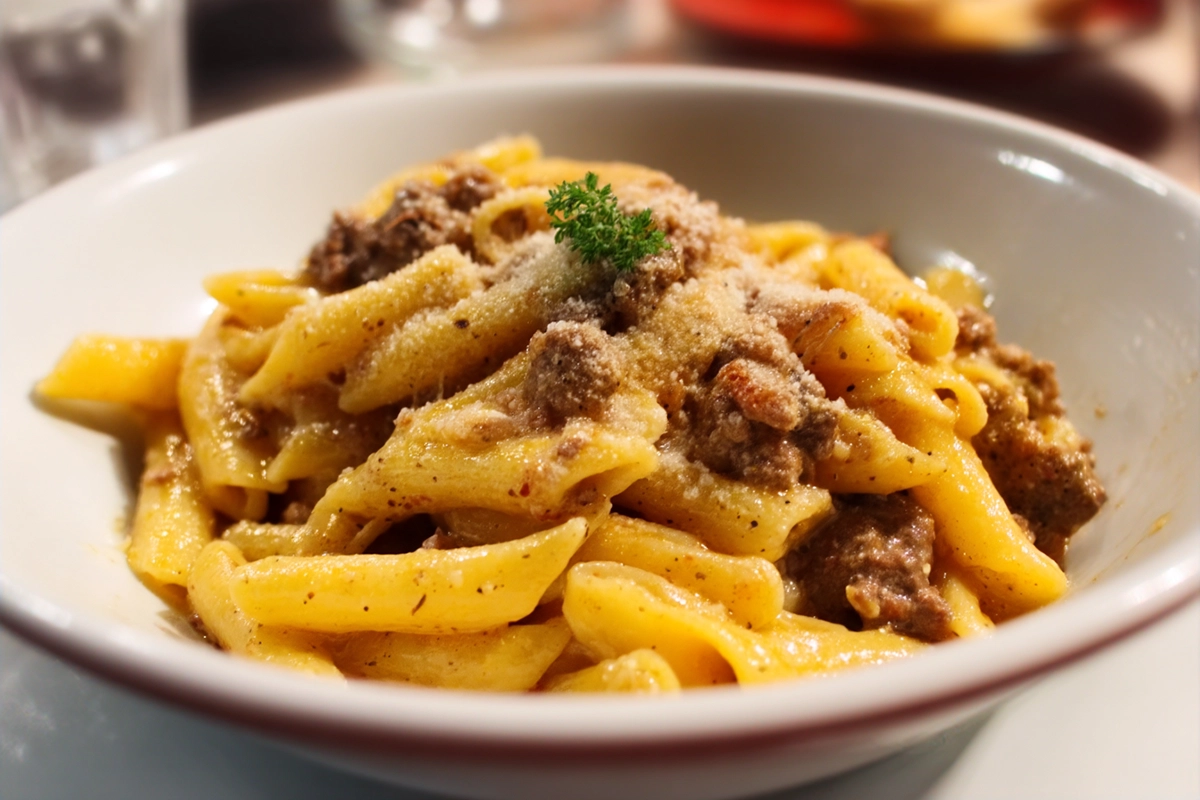
If you’re looking to try something deeply flavorful yet wonderfully simple, Pasta alla Norcina is a must. This traditional Italian pasta dish is known for its creamy texture, savory sausage, and rustic charm. Hailing from the historic town of Norcia in central Italy, it represents the heart of Umbrian cuisine—rich, comforting, and steeped in local tradition. In this guide, you’ll explore everything from its history and ingredients to preparation tips and variations. Whether you’re a seasoned cook or just learning the ropes, this dish is both achievable and unforgettable.
Historical and Cultural Background
The Origins of Pasta alla Norcina
Nestled in the Umbria region of Italy, the town of Norcia is famous for more than its scenic mountain views. It holds a long-standing reputation for fine meats and age-old recipes. This is where Pasta alla Norcina found its roots—crafted by local artisans who valued simplicity, seasonality, and bold flavors.
Norcia has long been associated with expert butchers, known locally as norcini. These skilled craftsmen not only shaped the region’s culinary identity but also influenced dishes like this one. Over time, the name “alla Norcina” came to represent meals that featured robust, homegrown ingredients prepared in humble yet flavorful ways.
Why Umbria Matters
Umbria might not be as globally recognized as Tuscany, but its food scene is a treasure trove of authentic Italian recipes. The area thrives on traditions handed down through generations, and Pasta alla Norcina is one of its finest examples. What makes it special isn’t just the ingredients, though they matter, but the philosophy behind it: cook with what’s available, respect the land, and let each element shine.
From Local Delight to Global Comfort Food
Originally a local specialty, Pasta alla Norcina has slowly made its way into kitchens worldwide. Thanks to its comforting texture and deep flavor, it’s become a favorite among home cooks and food lovers. And with modern interpretations popping up in restaurants and online platforms, it’s never been easier to try this dish for yourself.
Still, its essence remains the same—a hearty meal with soul, built from just a few ingredients and a whole lot of love.
Stay tuned for the next section, where we’ll dive into each component that gives Pasta alla Norcina its signature flavor and texture, because every bite starts with the right base.
Traditional Ingredients and Their Roles
Key Components of Authentic Pasta alla Norcina
To make Pasta alla Norcina the right way, every ingredient must serve a purpose. This dish doesn’t rely on a long list—it shines through a few well-chosen parts that blend perfectly together. Let’s look at what makes it so rich and satisfying.
Short Pasta Varieties
Rigatoni, penne, or fusilli are great choices here. These pasta types hold the sauce well, thanks to their ridges and hollow shapes. They also help the creamy sauce stick, giving every bite full flavor. Long pasta like spaghetti won’t give the same result.
Fresh Sausage
The heart of the dish lies in the sausage. For best results, use sausage with simple seasonings—just salt, garlic, and a touch of pepper. No added herbs or strong spices. This keeps the taste clean and lets the cream and cheese stand out.
Choose high-quality sausage with a tender texture. Remove the casing before cooking. It should crumble easily in the pan, giving you little golden bits full of flavor.
Cream Base
Here’s where the richness comes in. A touch of heavy cream creates that smooth, velvety sauce. It blends with the sausage juices and clings to the pasta beautifully.
In some versions, ricotta is used instead of cream. It brings a lighter, slightly grainy texture. Both options work well, so you can pick based on what you like or have on hand.
Pecorino Romano
This salty, aged cheese adds depth to the dish. It melts into the sauce, balancing out the richness with a touch of sharpness. Use freshly grated cheese if you can—it melts better and tastes stronger.
Nutmeg and Black Pepper
Just a pinch of nutmeg can make a big difference. It gives warmth without overpowering the dish. A good grind of black pepper brings everything together with a gentle kick.
Optional Additions
While not always part of the classic version, some cooks like to toss in extras. Mushrooms are a popular choice. They add an earthy flavor and soft bite. Truffle shavings or truffle oil can also be used in small amounts for a more elegant feel.
Every ingredient in Pasta alla Norcina has a job to do. Keep things simple, use fresh items, and let the flavors build naturally. Now that you know the ingredients, it’s time to cook them into something special.
Step-by-Step Preparation Guide
Crafting the Perfect Pasta alla Norcina
Making Pasta alla Norcina is simple, but each step matters. With a few basic tools and fresh ingredients, you’ll have a creamy, comforting dish in no time.
Get Everything Ready
Start by boiling water for your pasta. Add salt to the pot once it’s hot. Use about one tablespoon of salt for every 4 cups of water. This helps flavor the pasta from the inside out.
While the water heats, prep your ingredients. Grate the cheese, peel and chop the garlic if using, and remove the sausage from its casing.
Cook the Pasta
Drop the pasta into boiling water. Stir a few times so it doesn’t stick. Cook until it’s al dente, meaning firm but cooked. That usually takes 8–10 minutes. Before draining, save about half a cup of the pasta water. You might need it later to loosen the sauce.
Sauté the Sausage
While the pasta cooks, heat a bit of oil in a wide pan over medium heat. Add the sausage. Break it into small bits with a spoon. Let it brown well. This adds flavor to the final dish. Don’t rush—browning takes 5–7 minutes.
Add the Cream
Once the sausage is browned, turn the heat down. Pour in the cream or spoon in the ricotta. Stir until smooth. Let it simmer gently for 2–3 minutes. The sauce will start to thicken.
Toss in the Pasta
Add the drained pasta to the sauce. Stir well so it gets coated. If the sauce feels too thick, add a splash of the reserved pasta water. This makes the sauce silky and helps it stick to the pasta.
Finish with Cheese and Spice
Sprinkle in the grated Pecorino Romano. Add black pepper and a little nutmeg if you like. Stir again until everything blends.
Taste and adjust. You might want more cheese, more pepper, or a touch more cream. Trust your tongue.
Serve and Enjoy
Spoon the pasta into warm bowls. Top with more cheese if you want. Serve it hot—it’s best that way. Add mushrooms or truffle oil as a garnish if you’re using them.
That’s it. Simple steps, bold flavor, and a dish worth sharing.
Variations and Modern Twists
Exploring Different Takes on Pasta alla Norcina
While the classic version is delicious, there’s room to play. Many cooks enjoy adding a twist. Whether it’s for health, taste, or just something new, you can switch things up without losing the soul of the dish.
Mushroom Magic
Adding mushrooms is one of the most popular changes. They bring a soft texture and earthy taste. Sauté them before adding the sausage. This lets them brown and deepen in flavor. Button mushrooms work well, but you can also try cremini or oyster.
Truffle Touch
For something more elegant, try a hint of truffle. A small drizzle of truffle oil or a few thin slices of truffle can turn the dish into a fine-dining experience. Don’t overdo it—truffle is strong. A little goes a long way.
Switching Cheeses
Pecorino Romano is the usual pick, but others work too. Parmesan or Grana Padano can be good swaps. They’re slightly milder but still full of flavor. Try different types to see what you like best.
Cream Alternatives
Want a lighter dish? You can use ricotta instead of cream. Some even mix a bit of pasta water with the cheese to create a smooth sauce. It cuts the heaviness and adds a fresh taste.
Vegetarian Version
You can make Pasta alla Norcina without meat. Use a plant-based sausage or skip it altogether. To keep the flavor rich, add extra mushrooms and a bit of soy sauce or smoked paprika. These small changes help build depth.
Different Pasta Shapes
Although short pasta is best, feel free to try others. Shells, cavatappi, or farfalle can work, too. Just make sure the sauce clings well.
Changing the recipe doesn’t mean losing tradition. These twists let you enjoy the dish in new ways while keeping it comforting and familiar. It’s all about finding what works for you.
Expert Tips for Success
Mastering Pasta alla Norcina – Chef’s Insights
Even a simple dish can be tricky. But with a few smart tips, you’ll get better flavor, better texture, and a smoother cooking process. These small details can make a big difference.
Use Fresh Ingredients
Fresh sausage, cream, and cheese matter. The better the quality, the richer the taste. Avoid anything too processed. If you can, shop local or from trusted sources.
Don’t Overcook the Pasta
Keep it al dente. Overcooked pasta gets soft and mushy. Check the box for timing, but always taste a minute early. That way, you keep a nice bite.
Brown the Sausage Well
Let the sausage brown before adding anything else. This builds flavor. Don’t stir too much. Let it sit, then flip it. A little golden crust adds depth to the sauce.
Save Some Pasta Water
Pasta water is gold. It helps loosen the sauce and keeps it smooth. Just half a cup is enough. Add it slowly until the sauce is just right.
Grate Cheese Fresh
Freshly grated cheese melts better and tastes stronger. Pre-shredded cheese often has coatings that stop it from blending well. A few extra seconds of grating are worth it.
Taste as You Go
Don’t wait until the end to check the flavor. Taste the sausage. Taste the sauce. Add more cheese, pepper, or a splash of cream if needed.
Serve it Hot
This dish doesn’t hold up well. It’s best right after cooking. Serve in warm bowls to keep the sauce smooth and the pasta soft. Cold plates can ruin the texture fast.
Keep it Simple
Less is more. Don’t add too many extra ingredients. Let the key flavors shine—creamy, cheesy, and savory with a gentle spice.
By following these tips, your Pasta alla Norcina will turn out creamy, rich, and full of flavor every time. It’s all about balance, care, and cooking with heart.
Nutritional Information
Understanding the Nutritional Profile
Pasta alla Norcina is rich and filling. It’s made with creamy sauce, sausage, and cheese. That means it’s high in calories but also full of energy. Here’s a quick look at what’s in each serving.
Calorie Estimate
One serving has about 550 to 700 calories, depending on the ingredients. If you use more cream or cheese, it can go higher. Using lighter options like ricotta or smaller portions helps cut calories.
Protein Power
Thanks to the sausage and cheese, this dish gives 20 to 25 grams of protein per plate. That’s good for building muscle and staying full longer.
Fats and Carbs
You’ll find 20 to 30 grams of fat, mostly from the cream and sausage. Some of it is saturated fat, so it’s best enjoyed in moderation.
It also has 50 to 60 grams of carbohydrates, mostly from the pasta. That gives energy but can raise blood sugar quickly, especially with white pasta.
Fiber and Sugar
There’s not much sugar in this dish. Most of the carbs come from starch. If you want more fiber, use whole-grain pasta. That helps digestion and keeps you full longer.
Sodium Levels
The cheese and sausage bring in a lot of salt. One serving can have up to 900 mg of sodium or more. That’s about 40% of the daily limit for most people. You can reduce this by using less cheese or a low-sodium sausage.
Adapting to Diets
If you’re watching your diet, you can still enjoy this dish with a few changes:
-
Lower-fat cream or light ricotta cuts calories and fat.
-
Vegetarian sausage reduces fat and salt.
-
Whole grain pasta adds fiber.
-
Use smaller portions and serve with a green salad to balance the meal.
Pasta alla Norcina may be rich, but it can still fit into a healthy lifestyle. The key is portion size and smart swaps. That way, you get comfort without the guilt.
Frequently Asked Questions
Common Queries About Pasta alla Norcina
People often have questions about Pasta alla Norcina. Here are clear and simple answers to the most common ones. These will help you make the dish with confidence.
What is Pasta alla Norcina made of?
It’s made with short pasta, fresh sausage, cream or ricotta, and grated cheese. Some versions also include mushrooms or a touch of truffle for more flavor.
Can I use a different kind of pasta?
Yes. Short pasta like rigatoni, penne, or shells works best. They hold the sauce better. Long pasta like spaghetti isn’t ideal for this dish.
Is this a spicy dish?
No. It’s rich and creamy with a mild flavor. But you can add black pepper if you like a little kick.
Can I make it without dairy?
You can try dairy-free cream and cheese alternatives. The taste will be different, but still creamy. Look for unsweetened versions to keep the flavor right.
Is it okay to reheat leftovers?
Yes, but do it gently. Add a splash of milk or water when reheating. This keeps the sauce smooth and stops it from drying out.
Can I prepare it ahead of time?
You can cook the sausage and sauce early. But for best results, boil the pasta fresh and mix it right before serving. This keeps the texture perfect.
Is it suitable for kids?
Yes. The flavors are mild and creamy, which kids often enjoy. You can skip any strong cheeses or spices to keep it simple.
How do I make it vegetarian?
Use plant-based sausage instead of regular meat. Add mushrooms or eggplant for more texture. The rest of the recipe stays the same.
These FAQs cover the basics and beyond. They help both new and experienced cooks enjoy Pasta alla Norcina with ease.
Conclusion
Embracing the Flavors of Umbria
Pasta alla Norcina is more than just a dish. It’s a taste of Italian tradition—simple, warm, and full of flavor. Every bite brings comfort, thanks to creamy sauce, tender sausage, and sharp cheese.
You don’t need fancy tools or rare ingredients. Just fresh items, a little care, and a love for cooking. With just a few steps, you can bring this rustic dish to your table.
You can also make it your own. Add mushrooms, use ricotta, or try a meat-free version. It stays true to its roots while giving you room to explore.
In the end, what matters most is the joy of sharing. Whether it’s a quiet dinner or a special meal, Pasta alla Norcina brings people together.
So go ahead—try it, enjoy it, and maybe even pass the recipe down. Some dishes are worth keeping alive. This is one of them.
Print
Pasta alla Norcina – A Culinary Gem from Umbria
- Total Time: 30 minutes
- Yield: 4 servings 1x
Description
Pasta alla Norcina is a classic Italian dish from Umbria, known for its creamy texture and savory sausage. The dish combines short pasta, fresh sausage, heavy cream or ricotta, and Pecorino Romano cheese, creating a rich and satisfying meal. It’s simple to prepare but full of flavor, making it a perfect comfort food that connects you to the traditions of Umbria.
Ingredients
-
12 oz short pasta (rigatoni, penne, or fusilli)
-
1 lb fresh sausage (preferably with simple seasonings)
-
1 cup heavy cream or ½ cup ricotta
-
½ cup freshly grated Pecorino Romano cheese
-
Pinch of nutmeg (optional)
-
Freshly ground black pepper (to taste)
-
2 tbsp olive oil (for sautéing)
-
Salt (for pasta water)
-
Optional: Mushrooms, truffle oil, or truffle shavings
Instructions
-
Prepare the pasta: Boil water with salt. Cook the pasta until al dente, about 8-10 minutes. Save ½ cup of pasta water before draining.
-
Sauté the sausage: Heat olive oil in a pan over medium heat. Add sausage, breaking it into small pieces. Cook until browned, 5-7 minutes.
-
Add cream or ricotta: Lower the heat and stir in the cream or ricotta. Let it simmer gently for 2-3 minutes.
-
Combine pasta and sauce: Add the drained pasta to the pan, tossing to coat in the sauce. Add reserved pasta water if the sauce is too thick.
-
Finish the dish: Stir in the grated Pecorino Romano, black pepper, and a pinch of nutmeg. Adjust seasoning to taste.
-
Serve: Spoon the pasta into bowls and top with extra cheese, if desired. Serve hot.
Notes
You can replace the cream with ricotta for a lighter texture.
Mushrooms can be added for an earthy flavor. Sauté them before adding the sausage.
Truffle oil or truffle shavings make an elegant addition for a refined twist.
For a vegetarian version, use plant-based sausage and add more mushrooms or eggplant.
- Prep Time: 10 minutes
- Cook Time: 20 minutes
- Category: Main Course
- Method: Sautéing, Boiling, Tossing
- Cuisine: Italian