
Making Plum Jam No Pectin at home brings out the deep, natural sweetness of ripe plums without relying on packaged additives. This old-fashioned recipe uses only fruit and sugar, so the flavor stays fresh, bright, and intensely fruity. Because plums naturally contain pectin, the jam thickens beautifully with slow cooking and careful timing. Moreover, this recipe fits perfectly into a mostly greek recipe collection and works wonderfully as a mediterranean diet sweet for breakfast, dessert, or snacking. If you love homemade spreads with simple ingredients, this vegan fruit preserve offers an easy way to create a rich and flavorful treat right in your own kitchen.
Story
Every summer, overflowing plum trees turn kitchens into busy jam-making spaces filled with bubbling pots and sweet aromas. This Plum Jam No Pectin recipe follows a traditional approach that many Mediterranean families still use today because it lets the fruit shine naturally. Instead of adding boxed thickeners, the plums slowly cook down into a glossy spread with concentrated flavor and deep color. Furthermore, this recipe feels comforting and practical since it uses simple pantry ingredients and minimal preparation. Whether you spread it over toast, spoon it onto yogurt, or serve it beside pastries, this homemade jam creates a delicious connection to seasonal cooking traditions while offering an easy dessert option with authentic fruit flavor.
Ingredients
- 3 pounds fresh or frozen plums, pitted and chopped into medium chunks
- 1 to 1 1/2 cups granulated sugar
- 1 tablespoon lemon juice
- 1 teaspoon lemon zest
- Optional: 1 small cinnamon stick
Step-by-Step Instructions
Preparing the Ingredients
Wash the plums thoroughly, remove the pits, and chop the fruit into medium-sized pieces so the jam cooks evenly. Next, place the chopped plums into a large non-reactive bowl and sprinkle the sugar evenly over the fruit. Stir gently until the sugar coats all the plum pieces completely, then cover the bowl and let the mixture rest for several hours or overnight at cool room temperature. During this time, the plums release their juices naturally, which helps create a smoother jam texture later. If you need extra time before cooking, refrigerate the mixture until ready to use.
Cooking Instructions
Transfer no more than six cups of the plum mixture into a large stockpot fitted with a thermometer and place it over medium-high heat. Bring the fruit to a steady boil while stirring occasionally to prevent sticking on the bottom of the pot. As the mixture cooks, foam may rise to the surface, so gently pass a wooden spoon through the bubbles without vigorous stirring. Continue boiling until the jam reaches 222 degrees Fahrenheit at sea level or roughly 10 degrees above your local boiling point of water. Then remove the pot from the heat immediately and carefully ladle the hot jam into sterilized jars, leaving a small amount of headspace before sealing tightly with lids.
Tips for Perfect Results
Common Mistakes to Avoid
Overcrowding the pot with too much fruit often causes uneven cooking and weak gel formation, so smaller batches always produce better texture and flavor. Likewise, constant stirring can break down the natural pectin in the plums and prevent the jam from setting correctly. Another common mistake involves undercooking the mixture because the jam may appear thick while hot but turn runny after cooling. Therefore, always rely on temperature rather than appearance alone. In addition, avoid using aluminum cookware since acidic fruit can react with the metal and affect the final flavor of the jam.
Pro Tips for Better Flavor
Choose ripe but still slightly firm plums because they provide balanced sweetness and stronger natural pectin levels. Adding a little lemon juice brightens the flavor while also helping the jam achieve a cleaner set. For deeper Mediterranean flavor, include a cinnamon stick during cooking and remove it before jarring the jam. Furthermore, allowing the fruit and sugar mixture to rest overnight develops richer flavor and creates more syrup naturally. If you prefer a smoother spread, lightly mash the fruit near the end of cooking while still keeping some chunky texture for a rustic homemade appearance.
Serving and Storage
How to Serve
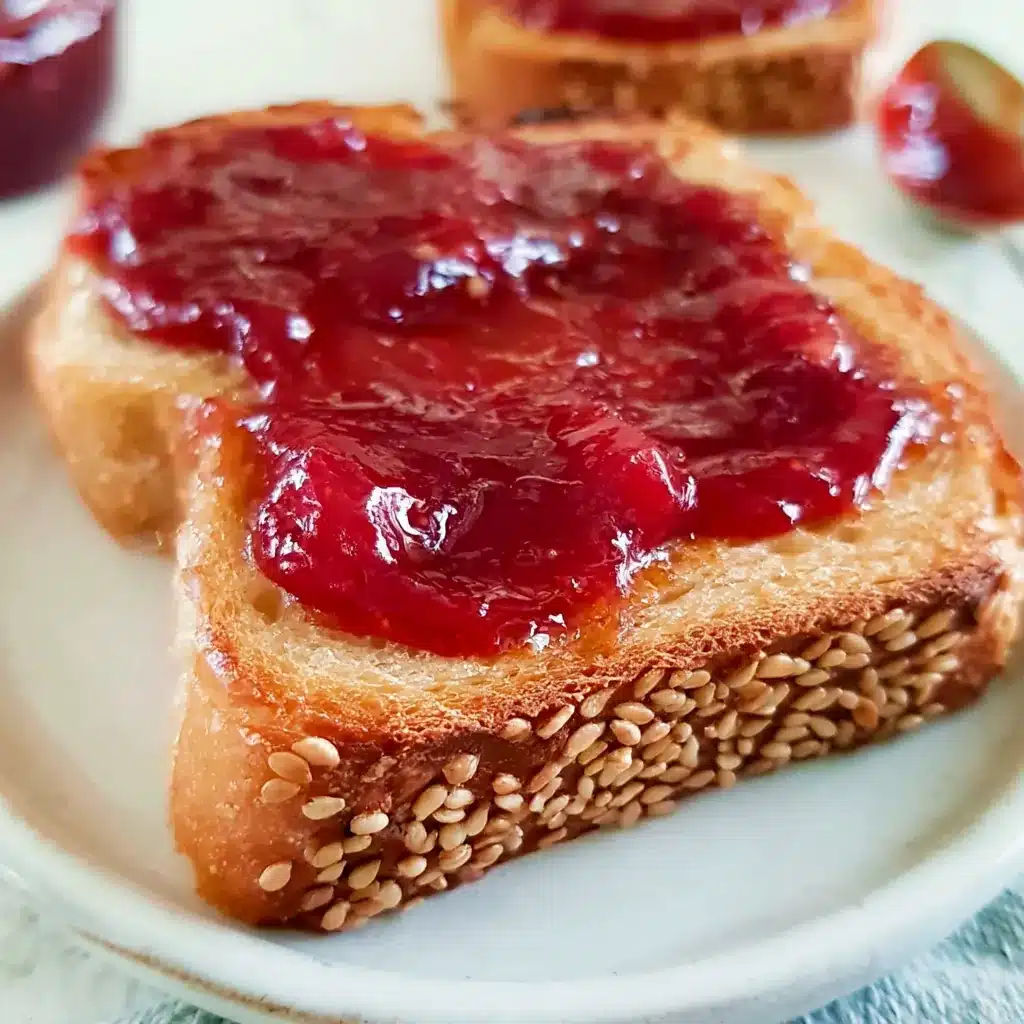
This Plum Jam No Pectin recipe tastes wonderful spread over toasted sourdough bread, buttery croissants, or warm biscuits for breakfast. It also pairs beautifully with Greek yogurt, oatmeal, pancakes, and soft cheeses, making it ideal for Mediterranean-style snacking. Additionally, the rich fruit flavor works perfectly as a filling for thumbprint cookies, pastries, or simple sponge cakes. For an elegant dessert idea, spoon the jam over vanilla ice cream or serve it alongside roasted nuts and fresh figs on a dessert board.
How to Store Leftovers
Store sealed jars in a cool, dark pantry for several months after they cool completely and develop a proper seal. Once opened, refrigerate the jam and use it within three weeks for the freshest flavor and texture. If a jar does not seal correctly after cooling, place it directly into the refrigerator for immediate use instead of storing it at room temperature. You can also freeze extra jam in freezer-safe containers for several months, although leaving a little space at the top helps prevent cracking during expansion.
Conclusion
This Plum Jam No Pectin recipe proves that homemade preserves can stay simple, flavorful, and deeply satisfying without complicated ingredients or special additives. The naturally sweet plums create a rich spread with vibrant color and authentic fruit flavor that fits beautifully into everyday breakfasts and desserts. Because the recipe uses straightforward techniques and flexible sweetness levels, it works well for beginners and experienced home cooks alike. Once you taste the bold flavor of freshly made plum jam, you may never want store-bought versions again.
Discover more delicious recipes by following me on Facebook and Pinterest.
Frequently Asked Questions
Can I use frozen plums for this recipe?
Yes, frozen plums work very well in this recipe because they release juice naturally as they thaw. Simply thaw them completely and include all the juices in the cooking pot for the best flavor and texture.
Why did my plum jam not thicken properly?
Jam usually stays thin if it does not reach the proper temperature during cooking. Therefore, always use a thermometer and cook the jam until it reaches 222 degrees Fahrenheit or your local gelling temperature based on elevation.
How long does homemade plum jam last?
Properly sealed jars stored in a cool pantry can last up to one year. However, once opened, the jam should remain refrigerated and used within about three weeks for the best quality.
Print
Plum Jam No Pectin
- Total Time: 1 hour 5 minutes
- Yield: 5 half-pint jars 1x
- Diet: Vegan
Description
Traditional homemade plum jam made without added pectin using ripe plums, sugar, and lemon for a naturally rich fruit preserve.
Ingredients
- 3 pounds plums, pitted and chopped
- 1 to 1 1/2 cups granulated sugar
- 1 tablespoon lemon juice
- 1 teaspoon lemon zest
- 1 cinnamon stick optional
Instructions
- Wash, pit, and chop the plums into medium chunks.
- Combine the plums and sugar in a non-reactive bowl and stir well.
- Cover and let the mixture rest several hours or overnight.
- Transfer the mixture to a large stockpot fitted with a thermometer.
- Bring the fruit to a boil while stirring occasionally.
- Continue boiling until the jam reaches 222 degrees Fahrenheit.
- Break surface foam gently with a wooden spoon if needed.
- Remove from heat and ladle hot jam into sterilized jars.
- Seal jars tightly and turn upside down briefly.
- Cool completely before storing.
Notes
- Do not cook more than six cups of fruit mixture at one time.
- Use ripe but slightly firm plums for better texture.
- Jam may take one to two days to fully set.
- Refrigerate any jars that do not seal properly.
- Prep Time: 20 minutes
- Cook Time: 45 minutes
- Category: Dessert
- Method: Boiling
- Cuisine: Mediterranean
Nutrition
- Serving Size: 1 tablespoon
- Calories: 45
- Sugar: 10
- Sodium: 0
- Fat: 0
- Saturated Fat: 0
- Unsaturated Fat: 0
- Trans Fat: 0
- Carbohydrates: 12
- Fiber: 1
- Protein: 0
- Cholesterol: 0