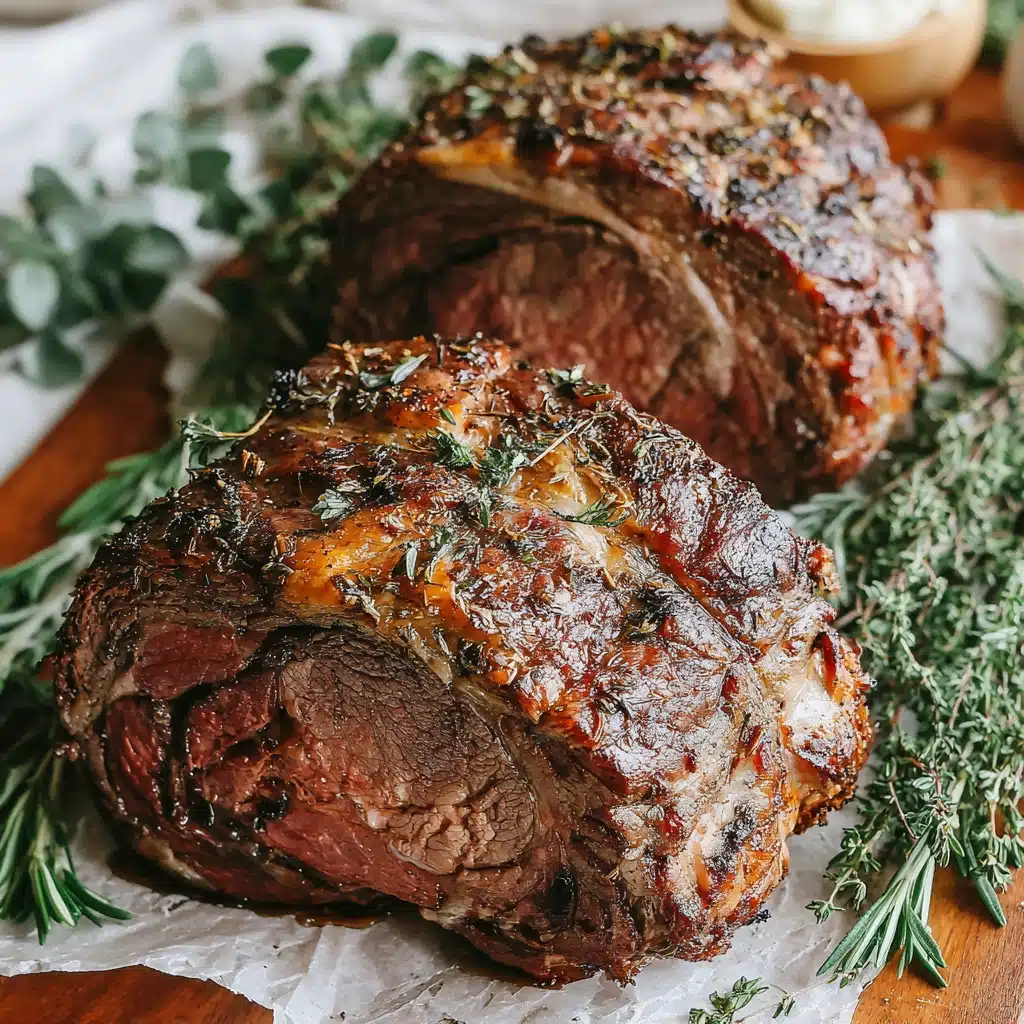
There’s something timeless about a well-made prime rib roast. It’s not just about a holiday table or a grand occasion—it’s about the rich aroma filling your kitchen on any Sunday afternoon. My family has made this prime rib roast recipe for decades, and no matter the season, it brings everyone to the table. The savory crust, tender pink center, and herb-infused juices make it unforgettable. Whether it’s a cozy winter meal or a weekend gathering, this guide will show you how to make the perfect prime rib roast, step-by-step, with tips you’ll use for life.
The Story Behind the Perfect Prime Rib Roast
A Family Tradition That Never Fails
Every cook has a dish that feels like home. For me, that’s prime rib roast. I remember my father preparing it every few months—not just for holidays but whenever we wanted something truly special. The kitchen would fill with the scent of rosemary, garlic, and seared beef. He’d always say, “Cooking prime rib is all about patience and respect for the meat.” Years later, I realized he was right. This prime rib roast recipe became the benchmark of comfort food for our family.
Why Prime Rib Roast Works Anytime
You might think of prime rib as a “holiday-only” recipe, but this dish deserves more love year-round. The combination of simple ingredients and slow roasting makes it perfect for any season. In spring or summer, it pairs beautifully with roasted vegetables or a light salad. In fall or winter, it shines next to mashed potatoes or Yorkshire pudding. With the right technique, your prime rib will come out juicy, flavorful, and beautifully browned every single time.
Print
Prime Rib Roast Recipe
- Total Time: 15 hours
- Yield: 1 pound per person 1x
Description
The perfect prime rib roast recipe for year-round family dinners, tender and juicy with a golden herb crust.
Ingredients
Bone-in prime rib roast
Kosher salt (1 teaspoon per pound)
Freshly ground black pepper (1/2 teaspoon per pound)
Minced garlic (1 teaspoon per pound)
Fresh rosemary (1 teaspoon per pound)
Fresh thyme (1 teaspoon per pound)
Olive oil (1/2 teaspoon per pound)
1/3 medium onion, thickly sliced per pound
Instructions
1. Rinse the prime rib roast and pat dry with paper towels.
2. Mix salt, pepper, garlic, rosemary, thyme, and olive oil to create a marinade.
3. Rub the mixture evenly over the roast and marinate overnight in the refrigerator.
4. Preheat oven to 450°F (230°C). Place roast on a rack over sliced onions in a roasting pan.
5. Roast for 30 minutes, add 1/2 cup water, rotate roast, and cook another 30 minutes until browned.
6. Lower oven to 350°F (175°C) and roast for 90–120 minutes, basting every 30 minutes until internal temperature reaches 125°F for medium rare.
7. Remove roast from oven, cover loosely with foil, and rest for 20 minutes before slicing.
8. Strain pan juices, skim fat, and serve warm au jus alongside sliced roast.
Notes
Allow the roast to rest before slicing for juiciness.
Use a meat thermometer for perfect doneness.
For smaller roasts, reduce the initial high-heat cooking time to 40 minutes.
Marinate overnight for maximum flavor.
- Prep Time: 12 hours
- Cook Time: 3 hours
- Category: Main Course
- Method: Roasting
- Cuisine: American
Nutrition
- Serving Size: 1 pound per person
- Calories: 709
- Sugar: 2g
- Sodium: 2430mg
- Fat: 62g
- Saturated Fat: 26g
- Unsaturated Fat: 36g
- Trans Fat: 0g
- Carbohydrates: 7g
- Fiber: 1g
- Protein: 32g
- Cholesterol: 137mg
Understanding the Cut and Choosing Your Roast
What Makes Prime Rib So Special
Prime rib comes from the rib section of the cow—an area that’s naturally tender and full of marbling. The bone adds rich flavor during roasting, while the fat layer keeps everything moist. When cooked properly, you’ll get a balance of crisp crust, soft fat, and melt-in-your-mouth meat. The best part? It’s easier to make than most people think. This prime rib roast recipe doesn’t require fancy tools—just time, good seasoning, and the right temperature.
Picking the Right Size and Type
When shopping, choose a bone-in prime rib roast if you can. It not only enhances flavor but also helps with even cooking. Plan for about one pound per person, depending on appetites. Smaller roasts (under six pounds) will cook faster, while larger ones benefit from the full 15 minutes per pound rule. Always look for bright red meat with creamy white fat. If your butcher trims too much, ask to leave a little fat on top—it naturally bastes the roast as it cooks.
Preparing and Marinating for Maximum Flavor
Building the Perfect Seasoning Mix
The secret to an unforgettable prime rib roast lies in its simple seasoning. Combine Kosher salt, black pepper, minced garlic, fresh rosemary, thyme, and olive oil in a small bowl. This blend creates a savory crust that seals in moisture while adding depth. The salt breaks down the outer fibers just enough to make the meat tender, and the herbs give every bite an aromatic lift.
Rub the mixture evenly over the roast, making sure it covers all surfaces. Rest it overnight, wrapped in plastic, to let the flavors settle into the fat. This marinating time—at least eight hours—is the foundation of flavor. You’ll notice the difference when you slice through that first piece.
The Importance of Temperature Control
Before cooking, bring your roast to room temperature for two hours. This small step ensures even roasting and prevents a cold center. Preheat your oven to 450°F (230°C), and place the roast on a rack or directly over a bed of sliced onions in a roasting pan. Those onions will caramelize beautifully and flavor your drippings. Roast for 30 minutes, then add ½ cup of water to the pan to prevent burning. Rotate the roast halfway through this high-heat phase so it browns evenly.
Once the crust is set, lower the temperature to 350°F (175°C) and roast for another 90–120 minutes, depending on the size. For best results, use a meat thermometer:
-
Medium rare: 125°F (51°C)
-
Medium: 130–135°F (54–57°C)
-
Well done: 145°F (63°C) and above
Remember, the roast continues cooking while resting, so pull it out 5–7 degrees before your desired doneness.
Resting, Carving, and Serving the Prime Rib Roast
Why Resting Is Essential
Once the roast reaches temperature, resist the temptation to cut immediately. Rest it under a loose piece of foil for 20 minutes. This pause allows the juices to redistribute evenly, giving you tender, succulent slices instead of dry meat. During this time, pour the pan drippings through a fine mesh strainer into a small pot. Skim the fat, then heat the juices gently for a natural au jus—a flavorful dipping sauce that perfectly complements the meat.
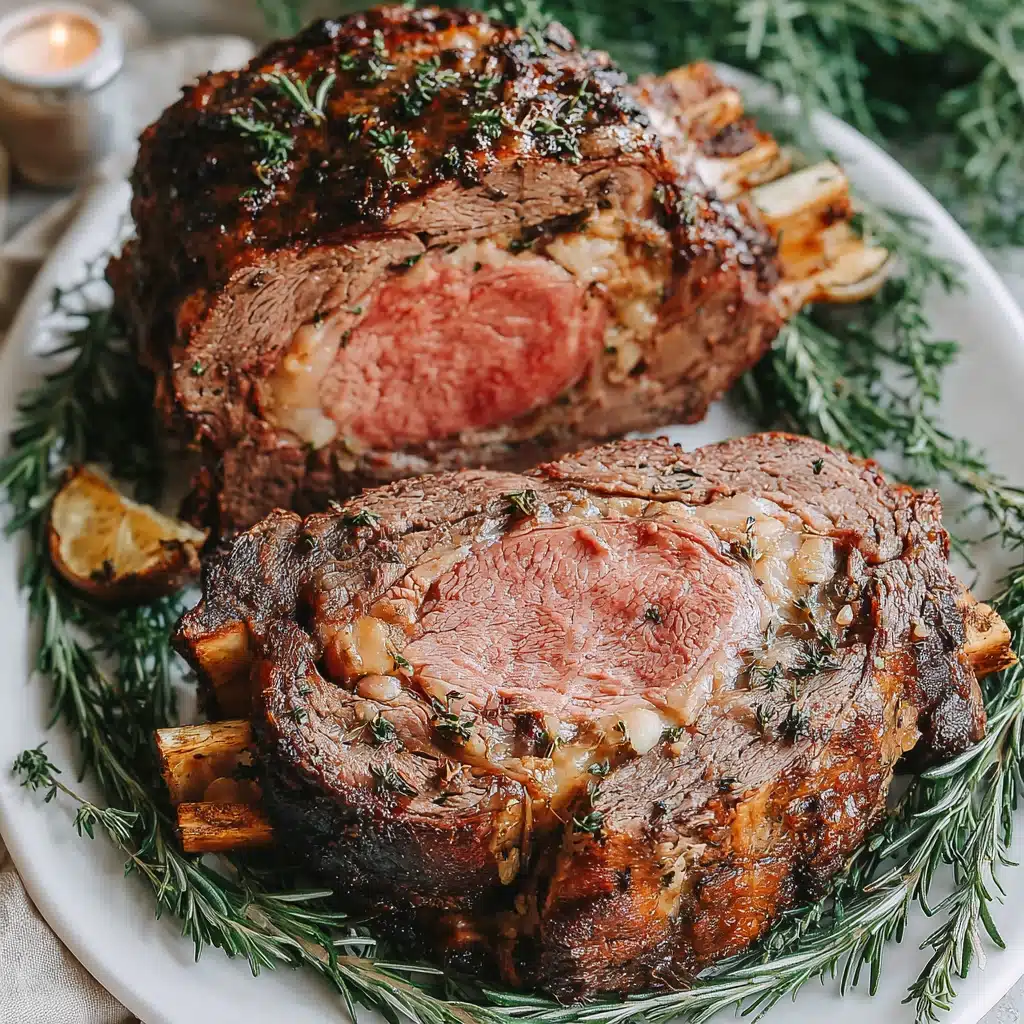
Carving and Presentation
To carve, use a sharp slicing knife and cut between the bones for individual servings. Each slice should reveal a rosy interior surrounded by a crisp, golden crust. Arrange the pieces on a large platter, drizzle lightly with au jus, and garnish with fresh rosemary sprigs or roasted onions from the pan. Whether served alongside roasted vegetables, creamy mashed potatoes, or simple greens, your prime rib roast will always impress.
Pro Tips and Year-Round Pairings
Making It Work for Any Occasion
The beauty of this recipe lies in its flexibility. For small gatherings, choose a smaller roast and follow the adjusted timing. For large family events, double the seasoning and roasting time per pound. You can even prepare a boneless prime rib—it cooks slightly faster, so check the temperature earlier. No matter the variation, the key is patience and attention to heat.
Keep these golden rules in mind:
-
Always start hot (450°F) for the crust, then lower the temperature.
-
Rotate for even browning.
-
Add water sparingly to prevent burning but not steaming.
-
Never skip the rest.
Pairings That Highlight the Flavor
Prime rib roast deserves equally flavorful sides. Try it with:
-
Roasted garlic potatoes or horseradish mashed potatoes
-
Sautéed green beans with butter and shallots
-
A crisp salad with lemon vinaigrette
-
Yorkshire pudding for a classic touch
Finish the meal with a light dessert—something citrusy or creamy to balance the richness. This recipe’s versatility makes it a go-to for any season, from cozy dinners to backyard celebrations.
Frequently Asked Questions
How do I keep my prime rib roast juicy?
Always use a meat thermometer and avoid overcooking. Letting it rest before carving ensures the juices stay inside.
Can I prepare the roast the day before?
Yes. Marinate it overnight, cover it, and keep it refrigerated. Bring it to room temperature before roasting.
What’s the best way to reheat leftover prime rib?
Slice it thin and warm gently in the oven at 250°F, covered with foil, or in a bit of broth on the stove.
Can I make this without a roasting rack?
Absolutely. Place the roast directly on a bed of onions to elevate it slightly and add flavor.
Conclusion
A well-prepared prime rib roast recipe is about more than technique—it’s about tradition and time. Each step, from marinating to resting, contributes to the perfect bite. Once you master it, you’ll have a dish that fits every occasion, any season, and any gathering. Whether it’s your first attempt or your fiftieth, this recipe guarantees one thing: satisfaction at the table, every time.
Discover more delicious recipes by following me on Facebook and Pinterest.