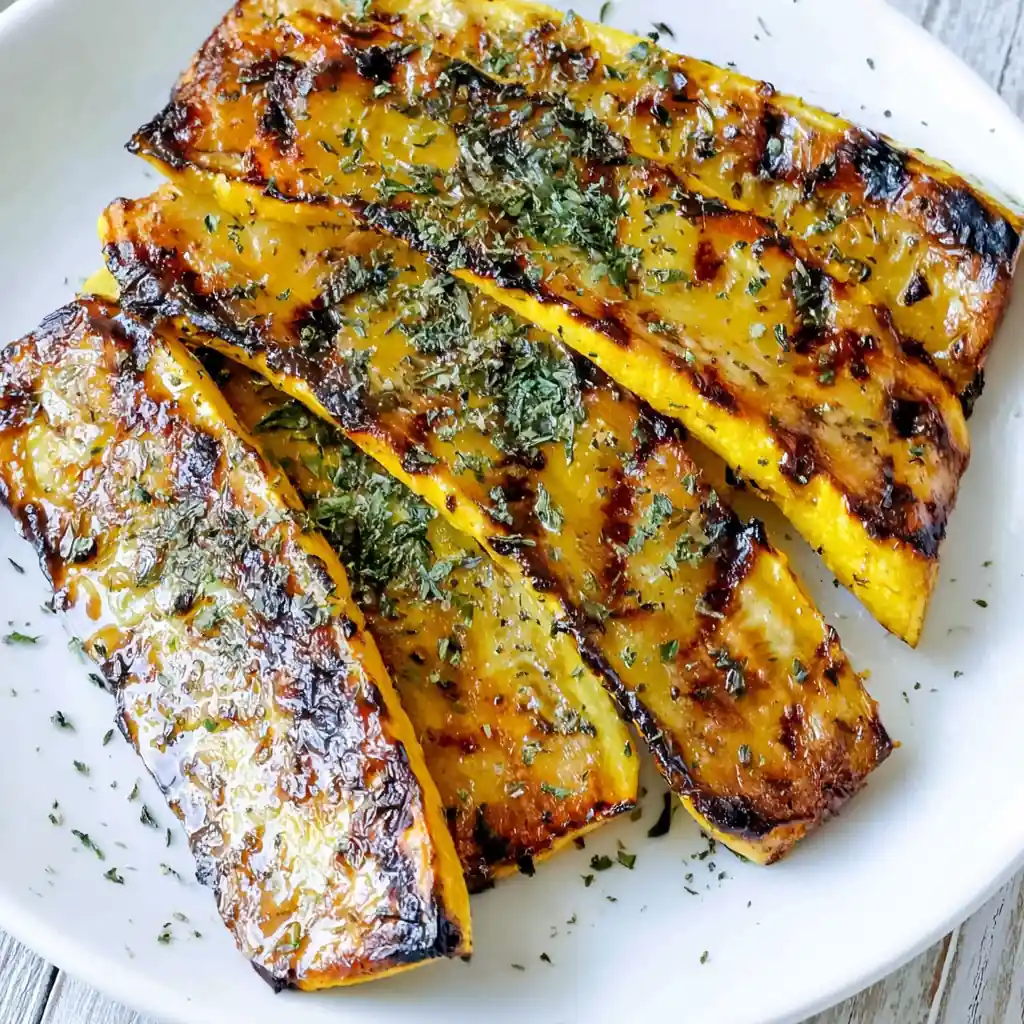
Roasted Yellow Squash is a simple way to turn a humble summer vegetable into a flavorful side dish with rich caramelized edges and a tender texture. Unlike many squash recipes that can turn watery, this method starts with salting the squash to draw out excess moisture before browning it in a skillet and finishing it in the oven. As a result, every bite develops deeper flavor and a satisfying texture. Whether you need a quick weeknight vegetable or a colorful addition to a holiday meal, this recipe delivers dependable results while using only a handful of pantry ingredients.
Story
I started making Roasted Yellow Squash when my garden produced more squash than I could use. After trying several methods, I found that salting the squash first made the biggest difference. The moisture released during that step helped prevent sogginess and encouraged better browning. Since then, Roasted Yellow Squash has become a regular side dish because it pairs well with almost any main course. Furthermore, the combination of garlic, thyme, and caramelized squash creates a comforting flavor that feels special despite the short ingredient list. Whenever I need a dependable vegetable dish, Roasted Yellow Squash always earns a place on the table.
Ingredients
- 3 medium yellow squash, unpeeled, ends trimmed
- 1 teaspoon Diamond Crystal kosher salt (or ½ teaspoon other salt)
- 1 tablespoon ghee
- ¼ teaspoon black pepper
- ½ teaspoon garlic powder
- ½ teaspoon dried thyme
Step-by-Step Instructions
This recipe comes together in two cooking stages. First, the squash browns in a skillet for extra flavor. Next, it finishes roasting in a hot oven until tender. Because the squash is salted before cooking, it develops a richer taste and a more appealing texture. In addition, the crosshatch cuts help the seasoning penetrate deeper into the flesh. Follow each step carefully for the best results and beautifully browned squash every time.
Preparing the Ingredients
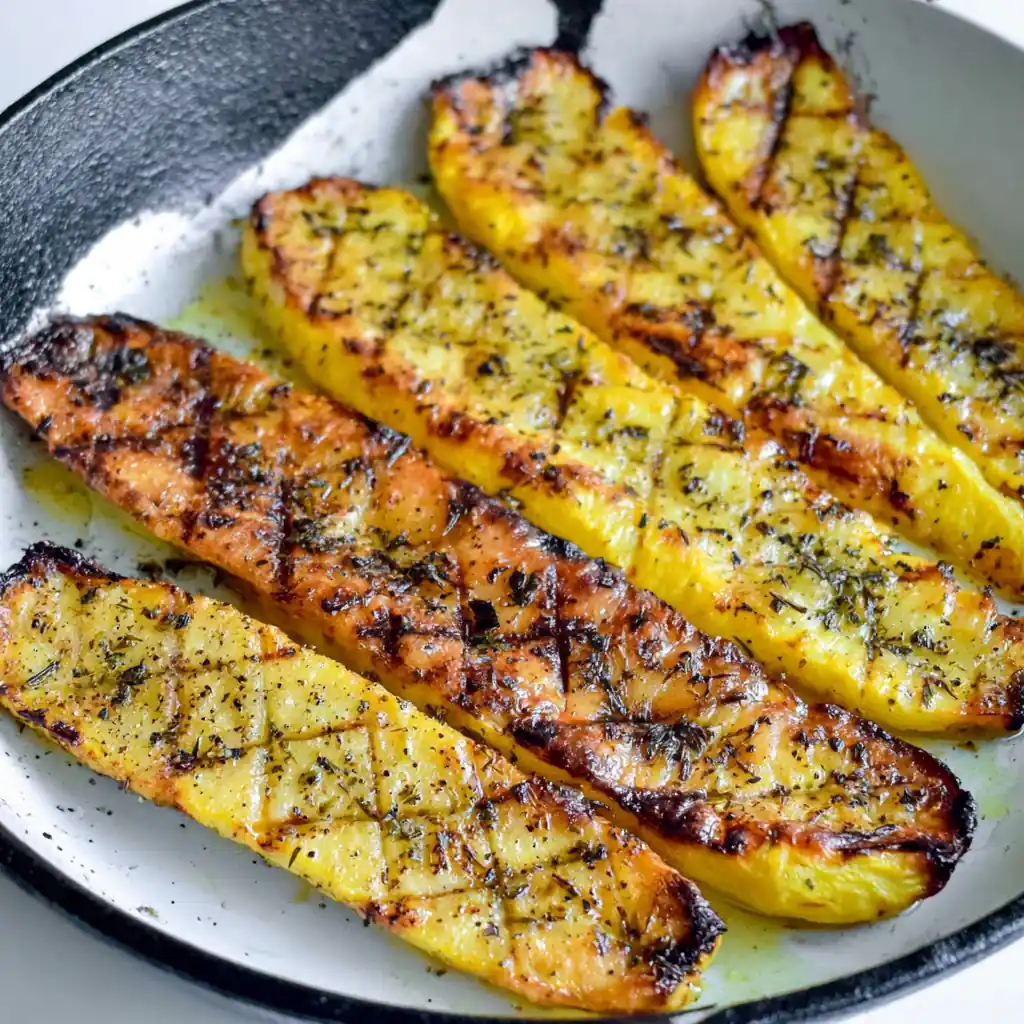
Cut each yellow squash in half lengthwise. Using a sharp knife, score the flesh with shallow crosshatch cuts without slicing through the skin. Sprinkle the salt evenly over the flesh side and let the squash rest for 15 minutes. During this time, moisture will collect on the surface. Afterward, pat the squash dry thoroughly with paper towels. Meanwhile, preheat the oven to 450°F so it reaches full temperature before roasting begins.
Cooking Instructions
Heat the ghee in a large oven-safe skillet over medium-high heat. Arrange the squash halves flesh-side down in a single layer. Cook for about 5 minutes until the bottoms develop a golden-brown crust. Then turn off the heat and carefully flip the squash. Season with black pepper, garlic powder, and dried thyme. Transfer the skillet directly to the preheated oven and roast for approximately 20 minutes. Once the squash becomes fork-tender and lightly browned, remove it from the oven and serve immediately.
Tips for Perfect Results
Small details make a major difference when preparing this recipe. Therefore, take a few extra minutes to follow the moisture-removal step and monitor browning closely. Because every squash varies slightly in size and water content, cooking times can differ. However, a watchful eye helps you achieve consistent results. The goal is tender squash with caramelized surfaces rather than overly soft pieces that lose their structure during cooking.
Common Mistakes to Avoid
Skipping the salting step often leads to watery squash and reduced browning. Likewise, overcrowding the skillet prevents proper caramelization because steam becomes trapped around the vegetables. Another mistake involves cutting deeply through the squash while scoring. Shallow cuts work best because they help seasoning penetrate without weakening the structure. Finally, avoid removing the squash from the oven too early. It should feel tender throughout and display visible browning before serving.
Pro Tips for Better Flavor
For deeper flavor, use a cast-iron skillet because it retains heat exceptionally well. In addition, allow the squash to remain undisturbed while browning so a flavorful crust develops. Fresh thyme can replace dried thyme when available, creating a brighter herbal note. If you enjoy extra richness, add a small amount of grated Parmesan during the last few minutes of roasting. Although the recipe remains simple, these adjustments create a more memorable side dish.
Serving and Storage
Roasted vegetables often taste best straight from the oven, yet leftovers can also be quite enjoyable. Therefore, consider making an extra batch if you enjoy meal prep. This recipe complements grilled meats, roasted chicken, seafood, and vegetarian entrees. Furthermore, the mild flavor of yellow squash makes it easy to pair with many cuisines. Proper storage also helps preserve texture and flavor for several days after cooking.
How to Serve
Serve Roasted Yellow Squash alongside grilled chicken, baked fish, steak, or pork chops for a balanced meal. It also works beautifully with grain bowls, salads, and pasta dishes. For additional freshness, sprinkle chopped parsley or basil over the finished squash just before serving. Because the squash already carries savory seasoning, it requires very little else to shine on the plate.
How to Store Leftovers
Store cooled leftovers in an airtight container in the refrigerator for up to four days. They taste surprisingly good cold and can be served as part of an antipasto platter or lunch salad. If you prefer them warm, reheat gently in the microwave at reduced power or warm them briefly in the oven. Freezing is not recommended because the squash may become overly soft after thawing.
Conclusion
Roasted Yellow Squash proves that simple ingredients can create impressive results. By drawing out excess moisture before cooking, you create a vegetable side dish with excellent texture, rich caramelization, and balanced seasoning. The skillet-to-oven method adds depth while keeping preparation straightforward. Whether you are cooking for a busy weeknight dinner or a special gathering, this recipe offers a reliable and flavorful way to enjoy yellow squash.
Discover more delicious recipes by following me on Facebook and Pinterest.
Frequently Asked Questions
Can I use zucchini instead of yellow squash?
Yes. Zucchini works very well in this recipe because it has a similar texture and moisture content. Follow the same salting, browning, and roasting method for comparable results.
Why do I need to salt the squash first?
Salting draws excess moisture from the squash. As a result, the vegetable browns more effectively and develops a firmer texture rather than becoming soggy during cooking.
Can I prepare the squash ahead of time?
Yes. You can trim, score, and salt the squash several hours in advance. Keep it refrigerated, then pat it dry before cooking for the best flavor and texture.
Print
Roasted Yellow Squash
- Total Time: 40 minutes
- Yield: 3 servings 1x
- Diet: Vegetarian
Description
Beautifully caramelized roasted yellow squash made by salting, browning in a skillet, and finishing in the oven.
Ingredients
- 3 medium yellow squash, unpeeled
- 1 teaspoon Diamond Crystal kosher salt
- 1 tablespoon ghee
- 1/4 teaspoon black pepper
- 1/2 teaspoon garlic powder
- 1/2 teaspoon dried thyme
Instructions
- Cut squash in half lengthwise and score flesh in a crosshatch pattern.
- Sprinkle with salt and rest for 15 minutes.
- Pat dry with paper towels.
- Preheat oven to 450°F.
- Heat ghee in a large oven-safe skillet.
- Cook squash flesh-side down for 5 minutes until browned.
- Flip squash and season with pepper, garlic powder, and thyme.
- Transfer skillet to oven.
- Roast for 20 minutes until tender.
- Serve immediately.
Notes
- Salting removes excess moisture and improves browning.
- Use a cast-iron skillet for best results.
- Store leftovers in the refrigerator for up to 4 days.
- Freezing is not recommended.
- Prep Time: 20 minutes
- Cook Time: 20 minutes
- Category: Side Dish
- Method: Roasting
- Cuisine: American
Nutrition
- Serving Size: 1 squash
- Calories: 78
- Sugar: 4
- Sodium: 191
- Fat: 5
- Saturated Fat: 3
- Unsaturated Fat: 2
- Trans Fat: 0
- Carbohydrates: 7
- Fiber: 2
- Protein: 3
- Cholesterol: 10