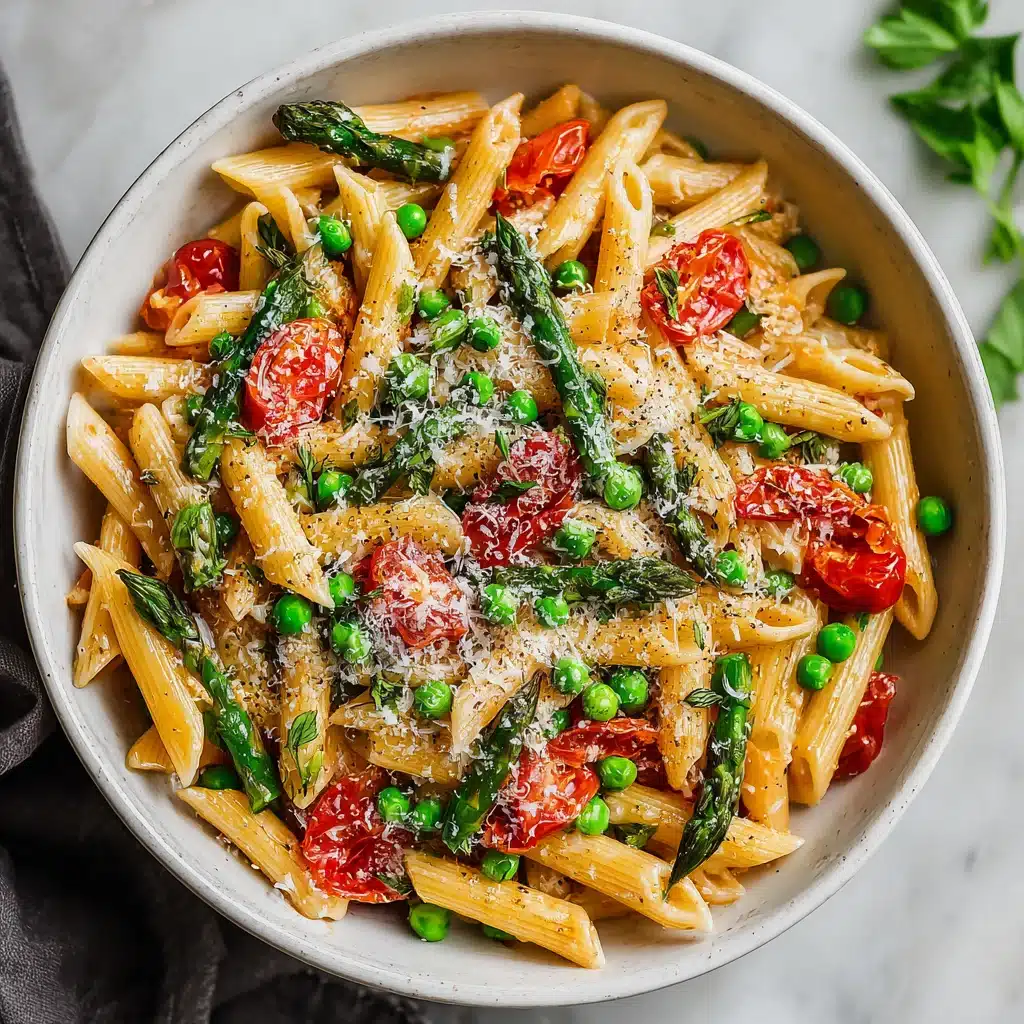
Spring Vegetable Pasta brings together crisp vegetables, fresh herbs, and citrus in a comforting bowl that still feels light. This recipe highlights seasonal produce while keeping dinner simple and satisfying. With tender pasta coated in a silky lemon finish, it fits busy schedules without sacrificing flavor. If you want a colorful meal that works for family dinners or relaxed evenings, this dish delivers balance, freshness, and ease in every bite.
Story
Spring Vegetable Pasta is the kind of meal I crave when the days grow longer and farmers markets fill with green bundles and bright tomatoes. I started making Spring Vegetable Pasta as a way to enjoy spring produce without heavy sauces or complicated steps. Over time, it became my go-to Spring Vegetable Pasta for nights when I want something quick but still special. The mix of herbs, citrus, and vegetables keeps Spring Vegetable Pasta fresh, while the pasta makes it comforting. I also love that Spring Vegetable Pasta tastes just as good warm or chilled the next day, which makes it practical and flexible.
Ingredients
This recipe uses everyday ingredients that shine when combined. The sauce builds naturally from butter, olive oil, and pasta water, creating a light lemon garlic sauce that coats every bite. Fresh vegetables like asparagus and peas add crunch and sweetness, while herbs bring aroma and color.
-
12 ounces pasta, such as penne, linguine, or farfalle
-
1 tablespoon olive oil
-
1 tablespoon butter
-
3 garlic cloves, minced
-
1 cup asparagus, trimmed and cut into 1-inch pieces
-
1 cup cherry tomatoes, halved
-
1 cup sugar snap peas or green peas
-
½ teaspoon red pepper flakes, optional
-
½ teaspoon salt, plus more for pasta water
-
½ teaspoon black pepper
-
½ cup grated Parmesan cheese, plus more to taste
-
¼ cup fresh basil, chopped
-
¼ cup fresh parsley, chopped
-
Zest of 1 lemon
-
Juice of ½ lemon
Step-by-Step Instructions
Preparing the Ingredients
Start by washing and drying all vegetables. Trim the asparagus ends, then slice them into even pieces so they cook at the same pace. Halve the cherry tomatoes and set them aside. Mince the garlic finely to help it blend smoothly into the sauce. Chop the basil and parsley just before cooking to keep their color and aroma bright.
Cooking Instructions
Bring a large pot of water to a rolling boil and salt it generously. Cook the pasta until al dente, then reserve half a cup of the pasta water before draining. Heat olive oil and butter in a wide skillet over medium heat. Add the garlic and cook briefly until fragrant. Stir in asparagus, tomatoes, and peas, cooking until just tender. Season, add the pasta, reserved water, cheese, lemon zest, and juice, then toss until creamy. Finish with fresh herbs and serve right away.
Tips for Perfect Results
Common Mistakes to Avoid
Avoid overcooking the vegetables, since they should stay slightly crisp. Do not skip salting the pasta water, because it builds flavor from the start. Keep the heat moderate when cooking garlic so it does not brown. Add lemon juice gradually, tasting as you go, to keep the balance right.
Pro Tips for Better Flavor
Use freshly grated Parmesan for smoother texture and richer taste. A splash of pasta water helps bind the sauce, so add it slowly. If you want extra protein, shredded chicken works well, though this remains a satisfying vegetarian pasta dinner on its own. Finish with extra herbs for a brighter plate.
Serving and Storage
How to Serve
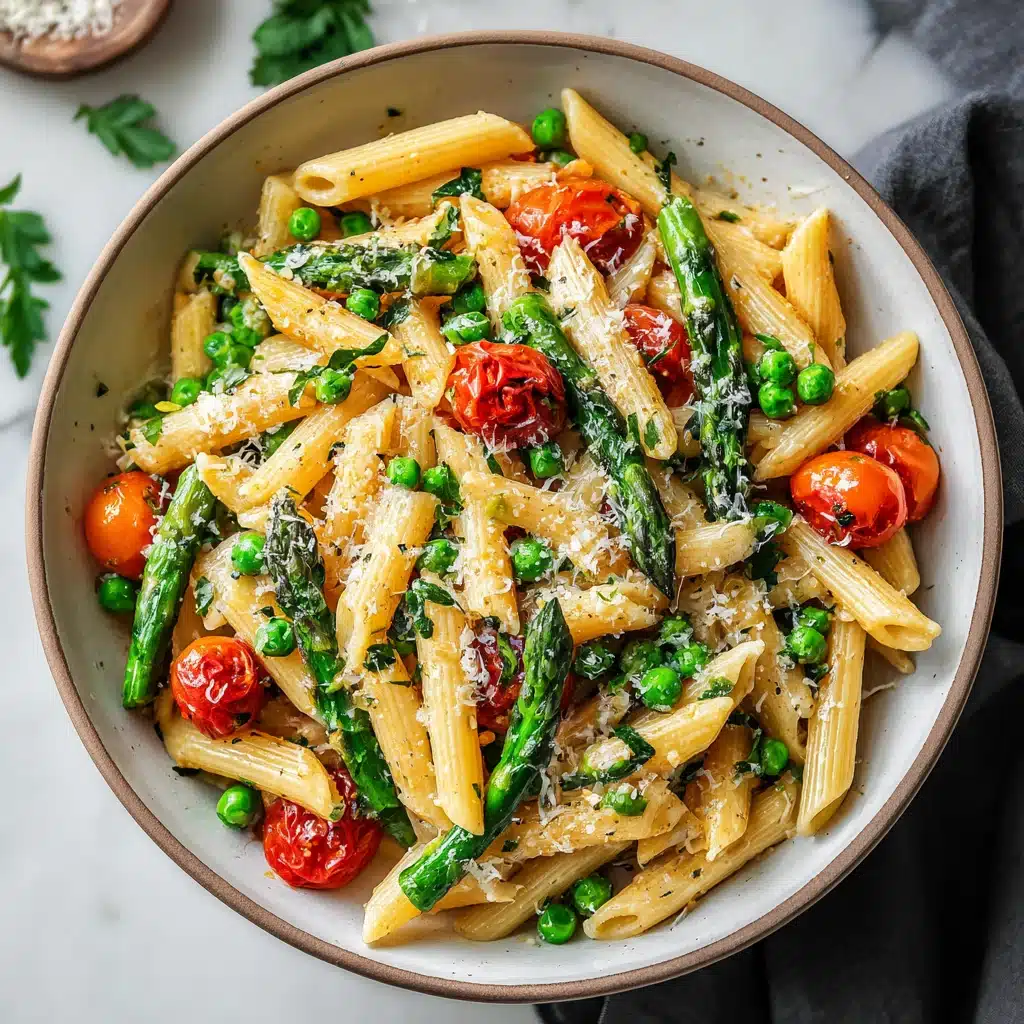
Serve this pasta immediately for the creamiest texture. A side salad or crusty bread pairs nicely. This dish also works well for casual gatherings since it looks colorful and inviting. Because it comes together quickly, it fits easily into a 30 minute meal plan without stress.
How to Store Leftovers
Store leftovers in an airtight container in the refrigerator for up to three days. Enjoy it cold as a pasta salad or reheat gently on the stove with a splash of water or olive oil. The flavors hold up well, making it great for lunches.
Conclusion
Spring Vegetable Pasta proves that simple ingredients can create memorable meals. With fresh produce, herbs, and citrus, it captures true seasonal flavors while staying easy to prepare. Whether you cook it for family or meal prep for the week, this recipe brings freshness and comfort together in one bowl.
Discover more delicious recipes by following me on Facebook and Pinterest.
Frequently Asked Questions
Can I use different vegetables in this recipe?
Yes, you can swap in zucchini, spinach, or broccoli depending on what you have. Keep cooking times similar so everything stays balanced.
Is this pasta good served cold?
Absolutely. Chilled Spring Vegetable Pasta makes a refreshing lunch, especially with extra herbs and a drizzle of olive oil.
What pasta shapes work best?
Short shapes like penne or farfalle hold the sauce well, but long noodles like linguine also work beautifully.
Print
Spring Vegetable Pasta
- Total Time: 30 minutes
- Yield: 4 servings 1x
- Diet: Vegetarian
Description
Spring Vegetable Pasta with asparagus, peas, fresh herbs, and lemon for a light yet satisfying meal.
Ingredients
- 12 oz pasta
- 1 tbsp olive oil
- 1 tbsp butter
- 3 garlic cloves, minced
- 1 cup asparagus, cut into pieces
- 1 cup cherry tomatoes, halved
- 1 cup sugar snap peas or green peas
- 1/2 tsp red pepper flakes
- 1/2 tsp salt
- 1/2 tsp black pepper
- 1/2 cup grated Parmesan
- 1/4 cup fresh basil
- 1/4 cup fresh parsley
- Zest of 1 lemon
- Juice of 1/2 lemon
Instructions
- Cook pasta in salted boiling water until al dente. Reserve pasta water and drain.
- Heat olive oil and butter in a skillet and sauté garlic briefly.
- Add asparagus, tomatoes, and peas and cook until tender.
- Season and add pasta to the skillet.
- Stir in pasta water, Parmesan, lemon zest, and juice.
- Remove from heat and mix in basil and parsley.
- Serve immediately with extra Parmesan.
Notes
- Do not overcook vegetables.
- Add pasta water gradually for best texture.
- Taste before adding extra lemon.
- Prep Time: 10 minutes
- Cook Time: 20 minutes
- Category: Dinner
- Method: Stovetop
- Cuisine: American
Nutrition
- Serving Size: 1 bowl
- Calories: 420
- Sugar: 6g
- Sodium: 520mg
- Fat: 14g
- Saturated Fat: 6g
- Unsaturated Fat: 7g
- Trans Fat: 0g
- Carbohydrates: 58g
- Fiber: 6g
- Protein: 16g
- Cholesterol: 25mg