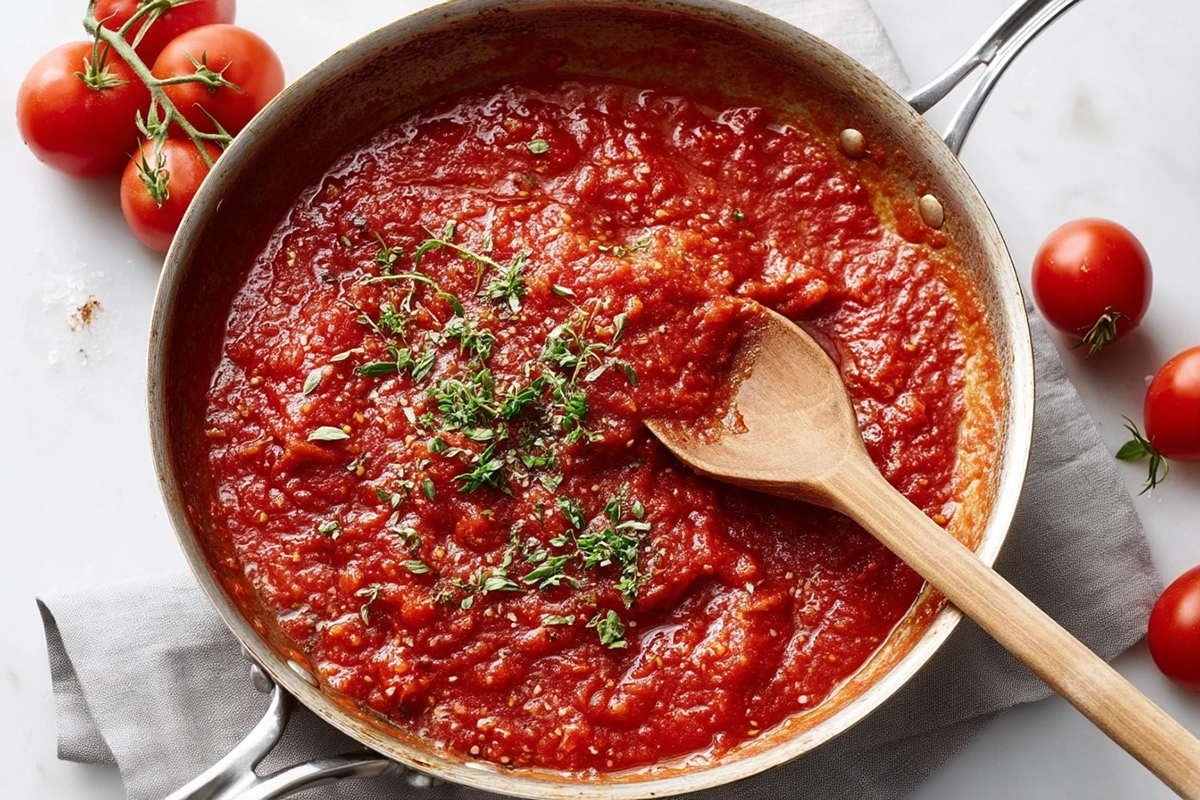
Looking for a rich, flavorful sauce that transforms simple ingredients into something magical? Marinara sauce has been doing just that for centuries. Known for its bold tomato flavor, savory garlic aroma, and fresh herb finish, it’s a kitchen essential for pasta lovers and anyone who enjoys homemade meals that feel both comforting and timeless.
Whether you’re cooking for a quick weeknight dinner or prepping for a big Italian feast, understanding marinara sauce’s background gives you a new appreciation for its versatility. Let’s dive into its roots and find out what makes this classic red sauce so loved around the world.
What is Marinara Sauce?
Marinara sauce is a traditional Italian tomato-based sauce made from a few simple but powerful ingredients. We’re talking ripe tomatoes, garlic, olive oil, and herbs. That’s it. No cream, no meat—just plant-based goodness simmered into a smooth, savory, and slightly tangy sauce.
It’s often used with pasta, but it’s way more than just a spaghetti topper. Think dipping sauce for breadsticks, base for pizza, or a coating for meatless meatballs. It’s also the backbone of many other Italian-American dishes. So, while the ingredients might be humble, the possibilities? Endless.
Importance of Culinary Traditions
Though simple in its makeup, marinara sauce holds a pretty big place in the culinary world. It’s not only a go-to in Italian households, but also a staple in pizzerias and restaurants across the globe. Why? Because when made right, it delivers on flavor without overpowering the main dish.
This sauce is also popular because of its flexibility. It’s easy to make in big batches, freezes well, and can be tailored to suit different tastes. Want more heat? Add chili flakes. Craving a touch of sweetness? Try a pinch of sugar. You can adjust it without losing its classic identity.
Plus, with more people looking for vegan or plant-based options, marinara sauce fits the bill perfectly. No dairy, no meat, no fuss—just pure flavor drawn from nature’s best.
Stay tuned as we explore how this simple sauce earned its place on the global culinary map.
Historical Background
Where Did Marinara Sauce Come From?
Marinara sauce started in Naples, Italy. The name “marinara” means “sailor-style.” Some say sailors’ wives made it when their husbands returned from sea. Others believe sailors made it on ships because the ingredients lasted a long time without spoiling.
It was quick to cook and didn’t need meat. That made it perfect for life at sea. The ingredients were simple—tomatoes, garlic, herbs, and olive oil.
How It Changed Over Time
In the beginning, marinara was very basic. Over the years, people started adding more ingredients. Some added onions, oregano, or red pepper flakes. Others made it thicker or smoother.
When Italians moved to other countries, they brought the recipe with them. In places like the U.S., it became part of Italian-American cooking. That’s why there are many versions today.
Some are chunky. Some are sweet. Others are spicy. But all of them still come from that same simple base.
Next, we’ll look at what goes into making a great marinara sauce.
Key Ingredients
What You Need for Marinara Sauce
You don’t need many things to make marinara sauce. Just a few fresh ingredients are enough. Here are the basics:
-
Tomatoes – Fresh or canned. San Marzano tomatoes are best because they’re sweet and not too sour.
-
Garlic – Adds strong flavor. Use fresh garlic for the best taste.
-
Olive oil – Helps blend the flavors. It also gives the sauce a rich feel.
-
Basil – Adds a fresh, light taste. Dried or fresh, both work.
-
Salt – Brings out the flavor of the other ingredients.
Extra Ingredients (Optional)
You can also add other things to make the sauce your own:
-
Onion – For a sweeter and deeper flavor.
-
Oregano – A strong herb that gives a classic Italian taste.
-
Red pepper flakes – For a little heat.
-
Black pepper – Adds a touch of spice.
All these ingredients are easy to find. Most are already in your kitchen.
Up next, we’ll walk through how to make this sauce step by step.
Traditional Recipe
How to Make Classic Marinara Sauce
This sauce is easy to make. You don’t need any fancy tools. Just a pot, a spoon, and a few basic items.
Here’s a simple step-by-step guide:
-
Heat olive oil in a pan over medium heat.
-
Add garlic. Cook for 30 seconds until it smells strong. Don’t let it burn.
-
Add tomatoes. If using whole canned tomatoes, crush them by hand or with a spoon.
-
Add salt and herbs like basil or oregano.
-
Let it simmer. Cook on low heat for 20 to 30 minutes. Stir once in a while.
-
Taste and adjust. Add more salt or herbs if needed.
That’s it. Your marinara sauce is ready!
Tips for the Best Flavor
-
Use good tomatoes. They make a big difference.
-
Don’t rush. Let it cook slowly so the flavors blend.
-
Fresh herbs give a better taste than dried ones.
-
Blend the sauce if you want it smooth. Leave it chunky if you like texture.
This sauce tastes even better the next day!
Next, we’ll explore fun ways to change or improve your marinara sauce.
Variations and Enhancements
Different Ways to Make Marinara Sauce
Marinara sauce can be made in many ways. People in different places add their twist.
In Southern Italy, the sauce is simple. It usually has just tomatoes, garlic, and olive oil.
In Northern Italy, people might add onions, carrots, or even wine. The sauce may be thicker, too.
Modern Twists
Many people like to change the classic recipe. Here are a few ideas:
-
Add red wine for a deeper flavor.
-
Use onions and carrots to make it sweeter.
-
Put in olives or capers for a bold, salty taste.
-
Try red pepper flakes for some heat.
-
Add a touch of sugar if your tomatoes are too sour.
You can also mix in other herbs like thyme or parsley.
The great thing about marinara sauce is this: you can make it your own. Add what you love. Skip what you don’t.
Next, let’s look at the nutrition facts for marinara sauce.
Nutritional Information
How Healthy is Marinara Sauce?
Marinara sauce is low in calories. It’s also fat-free if you don’t use much oil.
Most of its calories come from tomatoes. One half-cup serving has around 70–90 calories, depending on the recipe.
Main Nutrients
-
Carbohydrates – Tomatoes have natural sugars.
-
Fiber – Helps with digestion.
-
Fat – Only a little, from olive oil.
-
Protein – Very small amount.
Vitamins and Minerals
Marinara sauce has lots of Vitamin C and Vitamin A. It also has potassium and iron. These help your heart, eyes, and muscles stay strong.
Good for Most Diets
Marinara sauce is:
-
Vegan
-
Low in fat
-
Low in sugar
-
Gluten-free
It’s a healthy choice for many people.
Next, we’ll see how you can use marinara sauce in different dishes.
Culinary Uses
How to Use Marinara Sauce
Marinara sauce is very flexible. You can use it in many meals. Here are some of the most popular ways:
With Pasta
-
Spaghetti with marinara is a classic.
-
Pour the sauce over any type of pasta.
-
Add cheese or herbs on top if you like.
On Pizza
-
Marinara makes a great pizza sauce.
-
Spread it over the dough before adding toppings.
-
Works well with mozzarella, veggies, or meats.
As a Dipping Sauce
-
Use it to dip breadsticks, garlic bread, or mozzarella sticks.
-
It also works well with fried foods.
In Main Dishes
-
Pour it over chicken, eggplant, or zucchini for baked dishes.
-
Try it with meatballs or stuffed peppers.
-
Add it to lasagna or casseroles.
Marinara sauce can go with almost anything. It brings flavor and color to many meals.
Next, let’s talk about how to store marinara sauce the right way.
Storage and Preservation
How to Store Marinara Sauce
Storing marinara sauce is easy. You can keep it in the fridge or freezer.
In the Fridge
-
Put the sauce in a sealed container.
-
Keep it in the fridge for up to 5 days.
-
Let it cool before storing.
-
Reheat on the stove or in the microwave.
In the Freezer
-
Marinara sauce freezes well.
-
Use a freezer-safe container or bag.
-
Label it with the date.
-
It stays good for up to 3 months.
-
Thaw in the fridge before using.
Signs It Has Gone Bad
-
Bad smell
-
Mold on the surface
-
Strange taste or color
If you see any of these, throw them away.
Next, we’ll answer the most common questions about marinara sauce.
Common Questions (FAQ)
What is the difference between marinara and tomato sauce?
Marinara sauce is simpler. It cooks fast. Tomato sauce is thicker and cooks longer. Tomato sauce may have meat or cream.
Can I use marinara sauce on pizza?
Yes, you can. It works well as a pizza base. Just spread a thin layer before adding cheese and toppings.
Is marinara sauce vegan?
Yes. Most recipes use only plant-based items. Just check the ingredients to be sure.
How long does marinara sauce last in the fridge?
It lasts about 4 to 5 days. Keep it in a sealed container.
Can I freeze marinara sauce?
Yes, you can. Freeze it for up to 3 months. Use a freezer-safe container or bag.
Why is my sauce too sour?
Some tomatoes are very acidic. Add a small pinch of sugar to fix the taste.
Can I make marinara sauce without garlic?
Yes. Garlic adds flavor, but you can skip it if you want a milder taste.
Conclusion
Marinara sauce is easy to make. It needs only a few fresh ingredients. It’s full of flavor and very useful.
You can use it with pasta, pizza, or many other dishes. It fits many diets. It’s also healthy and low in fat.
You can store it in the fridge or freezer. It stays good for days or even months.
Feel free to make it your own. Add herbs, spices, or other ingredients you enjoy.
Try making it at home. You’ll taste the difference. A good sauce can turn a simple meal into something special.
Print
Marinara Sauce: A Comprehensive Guide to the Classic Italian Staple
- Total Time: 40 minutes
- Yield: 4 cups (enough for about 1 pound of pasta) 1x
- Diet: Vegan
Description
Marinara sauce is a simple yet flavorful tomato-based Italian sauce. Made with just a few ingredients like tomatoes, garlic, olive oil, and herbs, it’s perfect for pasta, pizza, or as a dipping sauce. This versatile staple is loved for its bold taste, ease of preparation, and adaptability to many dishes. Whether you’re preparing a quick weekday meal or building a classic Italian dish, marinara sauce is a must-have in any kitchen.
Ingredients
-
2 tbsp olive oil
-
3–4 garlic cloves, minced
-
1 can (28 oz) whole peeled San Marzano tomatoes
-
1 tsp salt
-
1/2 tsp black pepper
-
1/2 tsp dried oregano (optional)
-
1/4 tsp red pepper flakes (optional)
-
Fresh basil leaves or 1 tsp dried basil
Instructions
-
Heat olive oil in a saucepan over medium heat.
-
Add minced garlic and sauté for 30 seconds, until fragrant.
-
Add whole peeled tomatoes, crushing them with your hands or a spoon.
-
Stir in salt, pepper, and optional herbs or red pepper flakes.
-
Simmer uncovered on low heat for 20–30 minutes, stirring occasionally.
-
Add fresh basil at the end of cooking.
-
For a smooth sauce, blend with an immersion blender or leave chunky if preferred.
-
Taste and adjust seasoning as needed.
Notes
Use San Marzano tomatoes for the best flavor.
Add a pinch of sugar if the sauce tastes too acidic.
Store in the fridge for up to 5 days or freeze for 3 months.
This sauce improves in flavor after sitting for a few hours.
Skip garlic for a milder version or add onions for depth.
- Prep Time: 10 minutes
- Cook Time: 30 minutes
- Category: Sauce
- Method: Simmering
- Cuisine: Italian