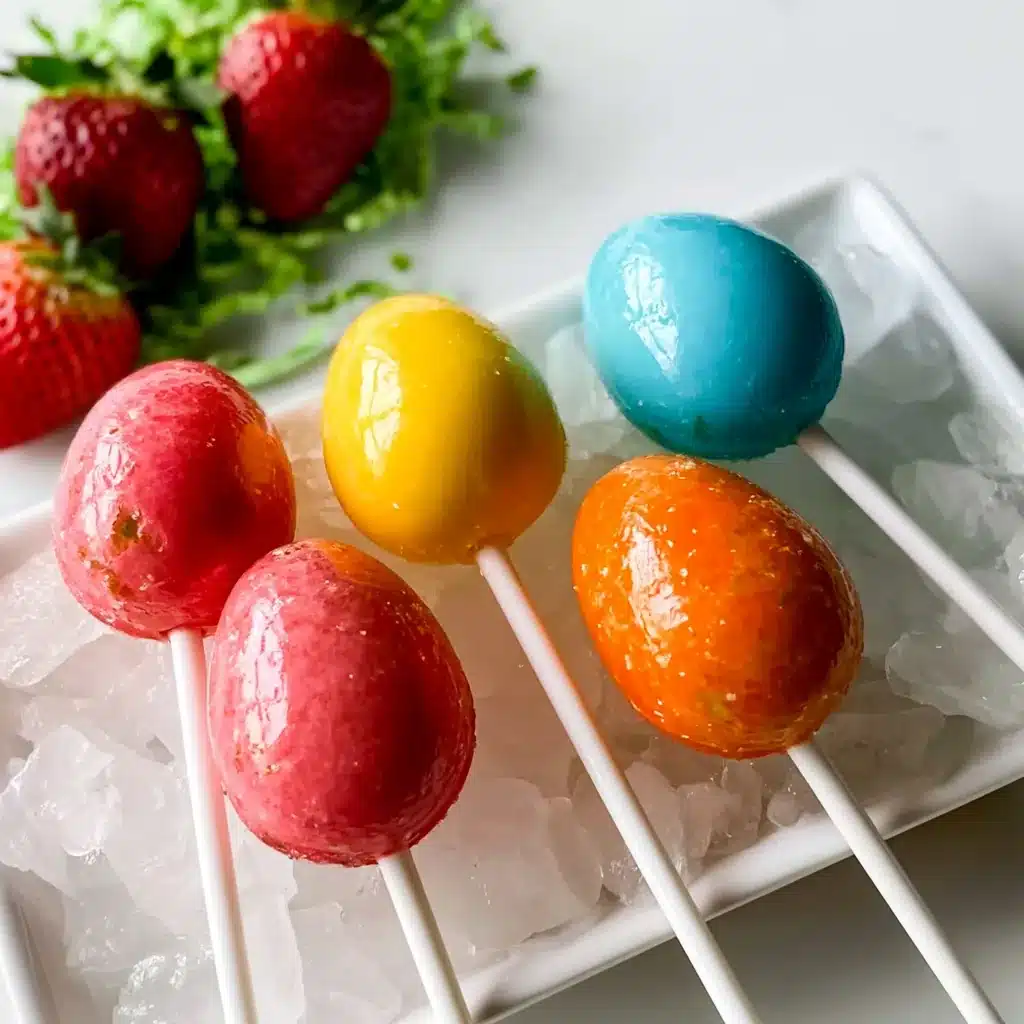
Easter Egg Popsicles turn a simple berry smoothie into a colorful frozen dessert that children will look forward to finding in the freezer. Fresh or frozen berries provide a bright fruity flavor, while banana adds natural sweetness and body. Coconut milk makes every bite creamy without requiring yogurt, heavy cream, or added sugar. Even better, reusable plastic Easter eggs create the playful holiday shape without a special popsicle mold. Prepare these treats in about ten minutes, freeze them until firm, and serve them after an egg hunt, with Easter brunch, or as a refreshing afternoon snack for the whole family.
Story
I first made Easter Egg Popsicles while looking for a practical way to use a handful of berries, half a banana, and an open can of coconut milk before Easter weekend. Rather than serving another regular smoothie, I poured the mixture into clean plastic eggs and added sticks. The result looked festive, tasted naturally sweet, and disappeared quickly. Since then, Easter Egg Popsicles have become one of my favorite Healthy Easter treats because they require only three ingredients and very little hands-on work. They also fit easily beside brunch favorites, fruit trays, and baked holiday desserts. Children enjoy opening the colorful plastic shells, while adults appreciate the straightforward ingredient list. These Easter Egg Popsicles work with fresh or frozen berries, so you can make them without waiting for perfect spring produce. Moreover, the smooth texture feels creamy and satisfying, although the recipe contains no dairy or refined sugar. Once you try this method, you may start using plastic eggs for other frozen fruit combinations throughout spring.
Ingredients
The ingredient list stays deliberately simple, which keeps the berry flavor clear and makes these smoothie popsicles easy to prepare on a busy holiday week. Choose full-fat canned coconut milk for the creamiest texture, and use ripe fruit whenever possible because frozen desserts taste less sweet than unfrozen mixtures.
- 1 1/2 cups strawberries and raspberries, fresh or frozen
- 1 cup full-fat coconut milk
- 1/2 large ripe banana
- 6 clean plastic Easter eggs
- 6 popsicle or lollipop sticks
Step-by-Step Instructions
These Easter Egg Popsicles come together quickly, but careful assembly keeps the mixture inside the molds and helps the finished pops release cleanly. Before you begin, check that each plastic egg closes tightly and has no cracks along the seam.
Preparing the Ingredients
Rinse fresh berries under cool water, remove strawberry stems, and drain the fruit well. If you use frozen berries, let them soften for five minutes so the blender can process them more smoothly. Peel the banana and cut it into several pieces. Next, wash the plastic eggs thoroughly with warm, soapy water, rinse them, and dry them completely. Position each egg with its pointed end facing downward. Then use a clean chopstick, skewer, or sturdy pen tip to make a small hole in the center of the wider end. Make each opening large enough for the stick, but keep it snug so the smoothie mixture does not leak around it. Wash the eggs again after making the holes because small plastic particles may remain. Finally, arrange the eggs upright in an egg carton, muffin pan, or small cups so they cannot tip while you fill them.
Cooking Instructions
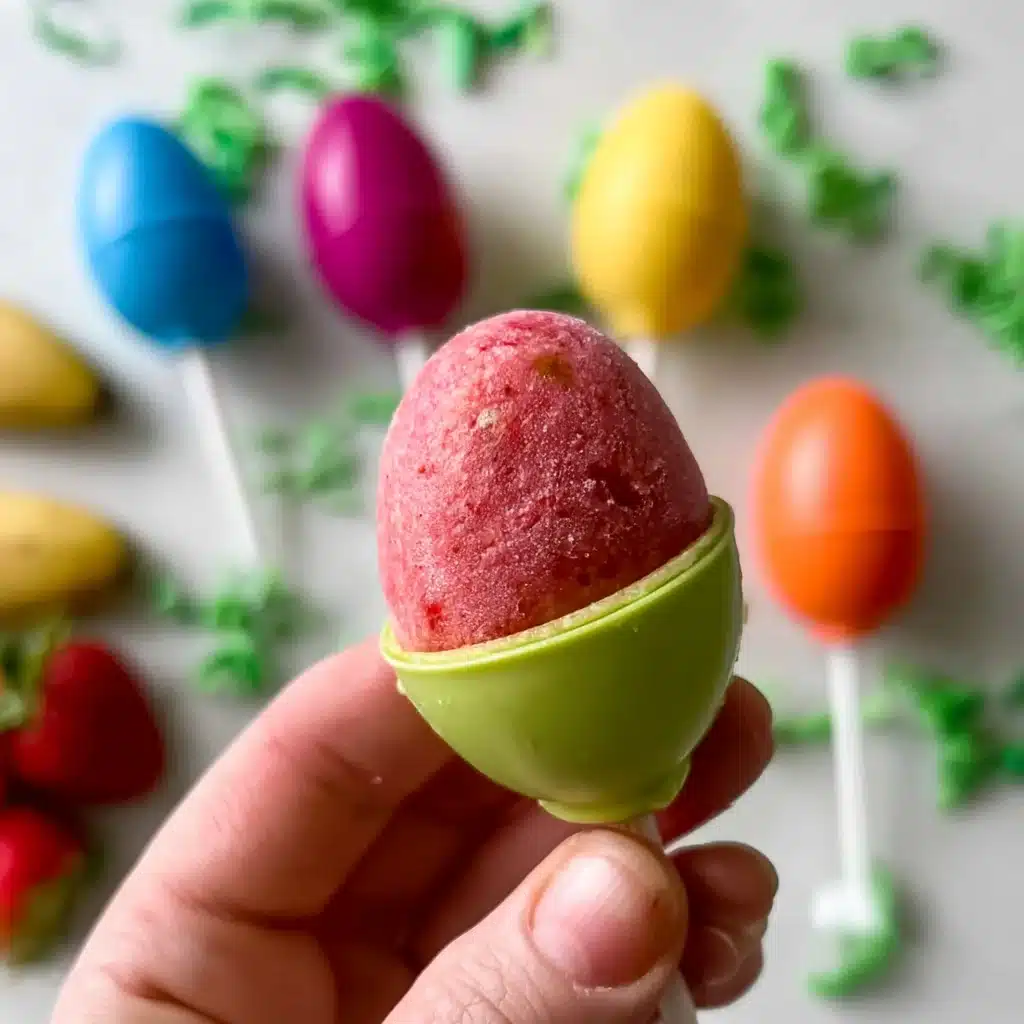
Add the berries, coconut milk, and banana to a blender. Blend on high until the mixture looks completely smooth and no fruit pieces remain. Stop once or twice to scrape the sides if needed. Pour the smoothie into a squeeze bottle or use a small funnel for easier filling. Close each plastic egg securely before adding the mixture. Then fill every egg through the prepared hole, leaving a small amount of space for expansion. Insert one popsicle stick into each opening and press it far enough to stay centered. Place the filled eggs upright in the freezer and freeze them for at least six hours, although overnight freezing gives the firmest result. To serve, hold one egg under lukewarm running water for five to ten seconds. Open the plastic shell carefully, then slide the frozen pop out by pulling gently on the stick.
Tips for Perfect Results
A smooth blend, secure molds, and enough freezing time make the biggest difference in this recipe. Because the ingredients contain no stabilizers, handle the pops gently and serve them soon after removing the plastic shells.
Common Mistakes to Avoid
Do not overfill the eggs because the smoothie expands as it freezes and may force the shells apart. Likewise, avoid making the stick holes too wide, since a loose opening can allow the mixture to leak before freezing. Always test the plastic eggs with water first when you use a new set. Skip cracked, brittle, painted, glittered, or decorative eggs that are not suitable for food contact. Also, do not leave large berry pieces in the blender. Chunky fruit may block the squeeze bottle, create icy pockets, or make the pops harder to remove. Finally, resist unmolding the Easter Egg Popsicles too early. Six hours gives the mixture enough time to freeze through the center, while overnight freezing works best for larger eggs.
Pro Tips for Better Flavor
Use a very ripe banana because its natural sweetness balances tart raspberries without extra sweetener. For stronger berry flavor, choose more strawberries for sweetness or add more raspberries for a sharper finish. You can also add one teaspoon of lemon juice to brighten the fruit, although it may increase tartness. A small splash of vanilla gives the coconut milk a softer dessert flavor. For colorful layers, blend two separate mixtures, such as strawberry and blueberry, then freeze the first layer briefly before adding the second. Additionally, full-fat coconut milk produces creamier easy frozen fruit pops than a thin refrigerated coconut beverage. Taste the mixture before freezing; it should taste slightly sweeter and bolder than you want the finished pops to taste because cold temperatures soften flavor.
Serving and Storage
Serve these frozen treats straight from the freezer for the cleanest shape and best texture. Since they soften quickly at room temperature, unmold only the number you plan to eat.
How to Serve
Arrange the finished Easter Egg Popsicles on a chilled platter filled with crushed ice, or serve them individually after opening each plastic shell. They make cheerful kids Easter food for brunches, classroom-style celebrations at home, spring birthday parties, and post–egg hunt snacks. For a festive dessert table, pair them with sliced strawberries, fresh raspberries, banana coins, or small bowls of toasted coconut. Younger children may find smaller plastic eggs easier to hold. However, always supervise children while they eat treats on sticks. You can also serve these pops at breakfast because the ingredients resemble a simple fruit smoothie. For the neatest presentation, keep the plastic shell on each pop until the moment you serve it.
How to Store Leftovers
Keep the Easter Egg Popsicles inside their plastic shells until serving because the molds protect them from freezer odors and surface ice. Store the filled eggs upright in a covered container or sealed freezer bag for up to two weeks. After that point, the pops remain safe when continuously frozen, but their fresh fruit flavor and smooth texture may decline. If you already removed the shells, place the pops in a single layer on parchment paper and freeze them until firm again. Then wrap each pop in parchment or waxed paper before placing it in a freezer-safe container. Do not refreeze pops that have fully melted at room temperature. Instead, discard them, especially after children have handled or tasted them.
Conclusion
Easter Egg Popsicles offer a simple way to turn everyday fruit into a memorable holiday dessert. With berries, banana, coconut milk, and reusable plastic eggs, you can prepare six creamy frozen treats in only ten minutes before freezing. The recipe feels playful enough for children, yet the fresh fruit flavor also appeals to adults. Make a batch the night before Easter, keep the eggs upright in the freezer, and reveal the colorful pops after brunch or an egg hunt. Once your family tastes them, these fruity Easter Egg Popsicles may become a yearly spring tradition.
Discover more delicious recipes by following me on Facebook and Pinterest.
Frequently Asked Questions
Can I Use Frozen Berries for Easter Egg Popsicles?
Yes, frozen strawberries, raspberries, blueberries, or a mixed berry blend work well. Let the berries soften for several minutes before blending, especially when your blender has a lower-powered motor. Frozen fruit may create a thicker mixture, so add one or two tablespoons of coconut milk if the smoothie will not move through the squeeze bottle. Because some frozen berries taste more tart than ripe fresh fruit, taste the blend before filling the eggs. Add a little more ripe banana when you need extra sweetness rather than adding refined sugar.
Can I Make These Popsicles Without Coconut Milk?
Yes, you can replace coconut milk with whole milk, oat milk, almond milk, Greek yogurt, or another creamy base. However, each choice changes the final texture. Greek yogurt creates a tangier and denser pop, while thin plant milk produces a more icy texture. For dairy-free pops with good creaminess, oat milk or cashew milk works well. Use an equal amount of your chosen replacement, then blend and check the thickness. The mixture should pour easily but still coat a spoon lightly.
Are Plastic Easter Eggs Safe to Use as Popsicle Molds?
Use only new or thoroughly cleaned plastic eggs made from food-safe materials, and reserve them for food after using them in this recipe. Avoid eggs with glitter, paint, strong chemical odors, peeling coatings, sharp edges, or visible cracks. Wash every egg before and after making the stick hole. You should also test the closure before filling because some inexpensive eggs separate easily. When you feel uncertain about the plastic, use silicone egg-shaped molds instead. Silicone molds provide the same holiday shape and often release the frozen pops more easily.
Easter Egg Popsicles
- Total Time: 6 hours 10 minutes
- Yield: 6 popsicles 1x
- Diet: Vegan
Description
Creamy Easter Egg Popsicles made with berries, banana, and coconut milk. These three-ingredient frozen treats are naturally sweet, dairy-free, colorful, and perfect for Easter celebrations with kids.
Ingredients
- 1 1/2 cups strawberries and raspberries, fresh or frozen
- 1 cup full-fat coconut milk
- 1/2 large ripe banana
Instructions
- Rinse and prepare the berries. Remove the strawberry stems, peel the banana, and cut it into pieces.
- Wash and dry six food-safe plastic Easter eggs. Place them pointed-side down and make a small hole in the wider end of each egg for the popsicle stick. Wash the eggs again after making the holes.
- Arrange the eggs upright in an egg carton, muffin pan, or small cups.
- Add the berries, coconut milk, and banana to a blender.
- Blend on high until the mixture is completely smooth and no fruit chunks remain.
- Transfer the smoothie mixture to a squeeze bottle or pour it through a small funnel.
- Close each plastic egg tightly, then fill it through the prepared hole while leaving a little room for expansion.
- Insert one popsicle stick into each egg and keep the sticks centered.
- Freeze the filled eggs upright for at least 6 hours, preferably overnight.
- Run each egg under lukewarm water for 5 to 10 seconds, open the shell carefully, and gently pull out the frozen popsicle.
Notes
- Use full-fat canned coconut milk for the creamiest texture.
- Use only clean, food-safe plastic eggs without glitter, paint, cracks, or sharp edges.
- Do not overfill the eggs because the smoothie mixture expands while freezing.
- Taste the mixture before freezing and add more ripe banana if the berries taste too tart.
- Store the popsicles inside their plastic shells in a covered freezer container for up to 2 weeks.
- Prep Time: 10 minutes
- Cook Time: 6 hours
- Category: Dessert
- Method: Blending and Freezing
- Cuisine: American
Nutrition
- Serving Size: 1 popsicle
- Calories: 104
- Sugar: 5
- Sodium: 5
- Fat: 8
- Saturated Fat: 7
- Unsaturated Fat: 0.6
- Trans Fat: 0
- Carbohydrates: 8
- Fiber: 1
- Protein: 1
- Cholesterol: 0