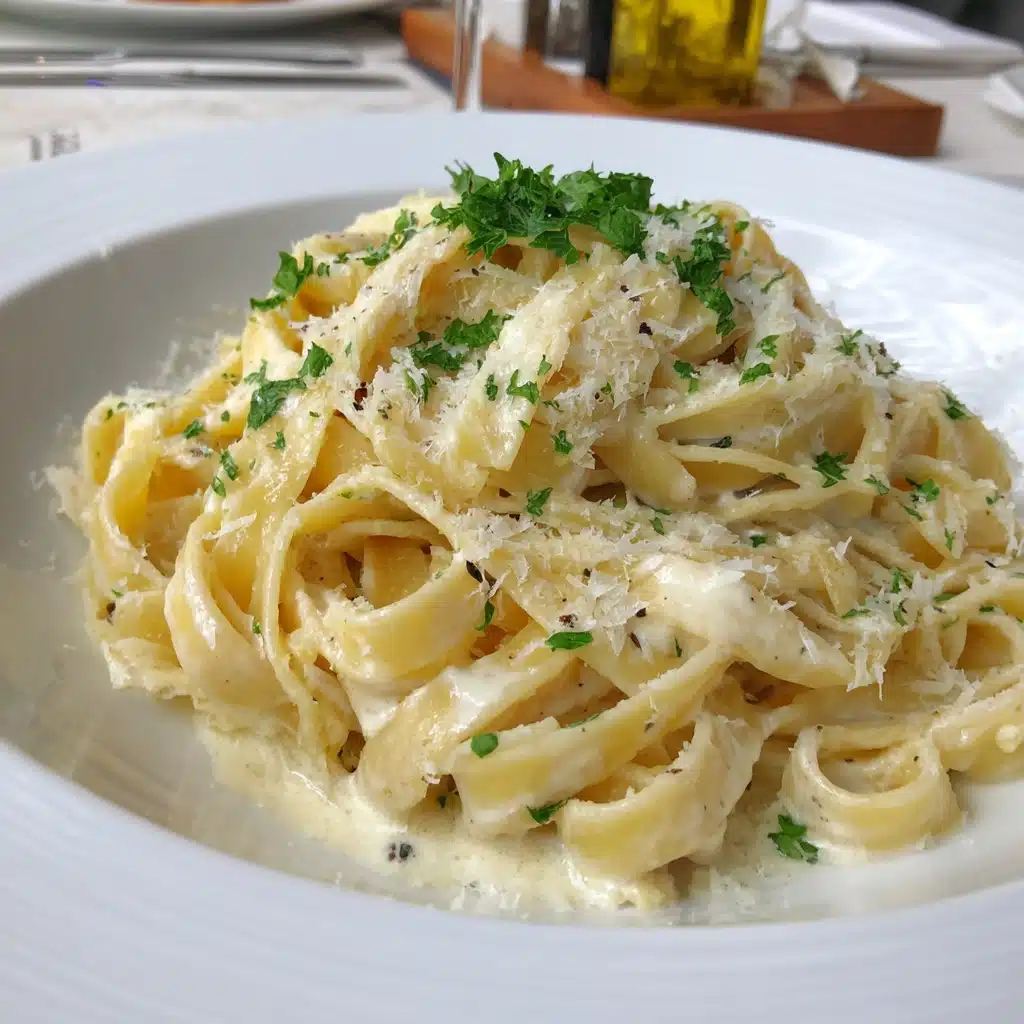
There’s something deeply comforting about a bowl of silky, cheesy fettuccine—especially when it’s done right. Yet even seasoned cooks can end up with clumpy or greasy Alfredo sauce. In this guide, you’ll discover the best fettuccine Alfredo tips that transform an ordinary pasta into a restaurant-quality experience. We’ll uncover seven secrets chefs swear by to achieve that rich, velvety perfection every time. Whether you love white meals, crave creamy Alfredo pasta, or simply want to upgrade your Italian food pasta game, this guide’s for you.
The Creamy Story Behind Fettuccine Alfredo
A Love Affair with Cream and Simplicity
My first encounter with real Fettuccine Alfredo wasn’t in a restaurant—it was in my grandmother’s small kitchen on a humid evening. She insisted the trick was in the timing, not the ingredients. Her creamy, garlicky sauce didn’t rely on shortcuts or jarred mixes, just butter, cream, and freshly grated Parmigiano-Reggiano. Every spoonful tasted like warmth and love—a memory that still fuels my obsession with perfecting fettuccine Alfredo tips.
Why Technique Beats Ingredients
While high-quality butter and cheese matter, the secret of great Alfredo Fettuccine lies in how you handle them. Heat too high? Your sauce breaks. Cold cream? Say goodbye to smooth texture. Perfect creaminess is an art of balance—gentle heat, consistent stirring, and a touch of patience. These principles form the foundation of the best Alfredo ideas for any home cook striving for excellence.

Fettuccine Alfredo Tips
- Total Time: 33 mins
- Yield: 4 servings 1x
- Diet: Vegetarian
Description
Learn 7 proven fettuccine Alfredo tips for creamy perfection. Smooth, cheesy, and absolutely delicious every time.
Ingredients
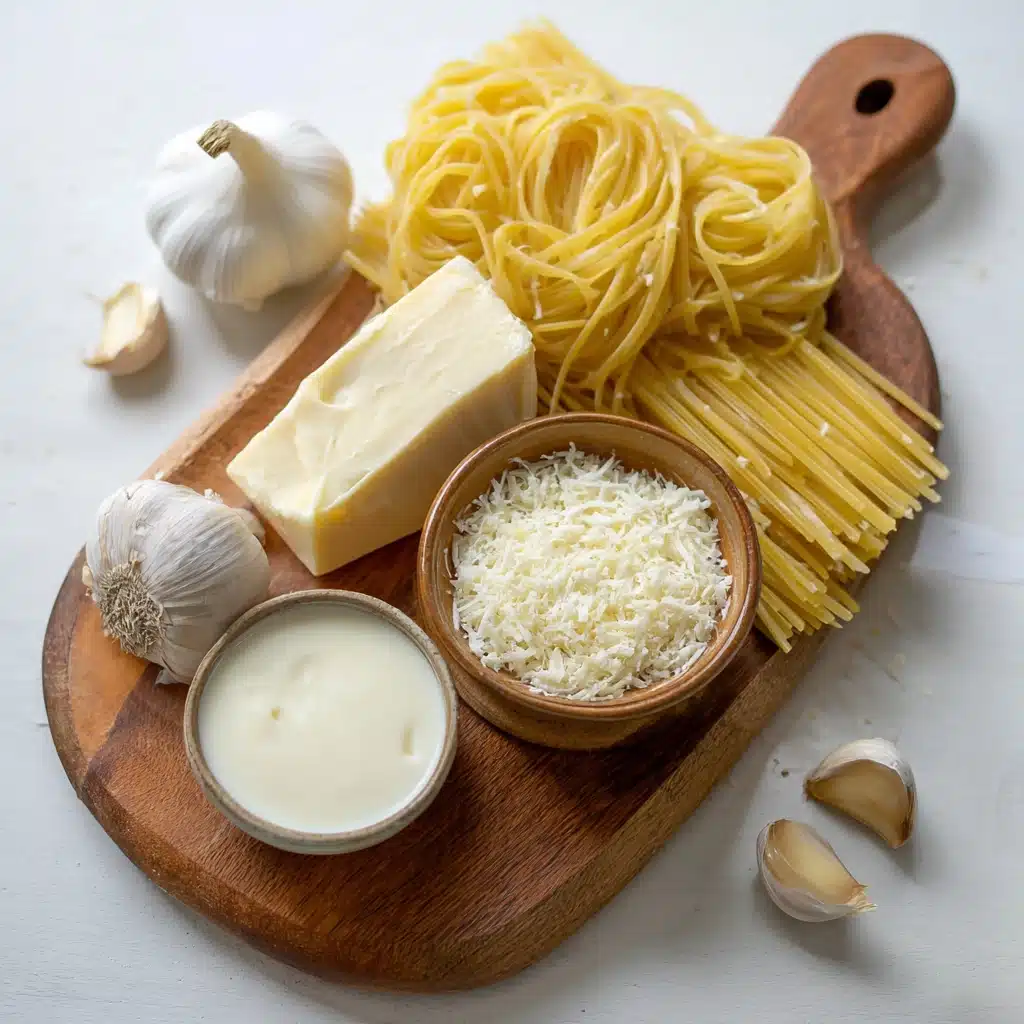
1 lb fettuccine pasta
6 tbsp butter
2 cups heavy cream
2 cups grated Parmigiano-Reggiano
1/4 tsp nutmeg
Salt & white pepper to taste
Instructions
1. Bring ingredients to room temperature.
2. Boil pasta until just under al dente.
3. Reserve 1 cup pasta water.
4. Melt butter, add cream, and whisk gently.
5. Add cheese in three batches, whisking constantly.
6. Toss pasta in sauce; add pasta water if needed.
7. Let rest 2 minutes before serving.
Notes
Use fresh Parmesan for smooth texture.
Avoid overheating sauce to prevent separation.
- Prep Time: 15 mins
- Cook Time: 18 mins
- Category: Main Course
- Method: Stovetop
- Cuisine: Italian
Nutrition
- Serving Size: 1.5 cups
- Calories: 785
- Sugar: 4g
- Sodium: 890mg
- Fat: 54g
- Saturated Fat: 33g
- Unsaturated Fat: 14g
- Trans Fat: 0g
- Carbohydrates: 52g
- Fiber: 2g
- Protein: 22g
- Cholesterol: 195mg
Core Fettuccine Alfredo Tips for Restaurant-Quality Texture
Use Room-Temperature Dairy
Cold ingredients are the number one enemy of emulsified sauces. Before starting, bring your butter and cream to room temperature. Warm dairy incorporates smoothly and prevents curdling. This single fettuccine Alfredo tip can instantly elevate your dish.
Gradual Cheese Integration
Professional chefs never dump all their cheese at once. Instead, they add Parmesan in three stages over low heat, whisking gently. This prevents clumps and allows the fats to blend seamlessly into the cream. It’s one of those Italian food pasta techniques that transforms home cooking into an elegant meal worth sharing in your dinner food pics.
The Power of Pasta Water and Heat Control
Reserve Your Pasta Water
You might have heard it before, but this step can’t be overstated. Pasta water is liquid gold—it’s the glue that makes your creamy Alfredo pasta stick perfectly to the noodles. Just one ladle helps emulsify the sauce, adding body and silkiness. Skip it, and your sauce risks separation.
Low Heat Equals Luxury
Keep your flame medium-low during sauce creation. High heat leads to separation, graininess, and lost creaminess. The best fettuccine Alfredo tips emphasize gentle cooking. You’re coaxing flavors into harmony, not rushing them. Stir constantly, let the sauce reduce slowly, and watch it thicken naturally.
The Art of Combining Sauce and Pasta
Undercook the Pasta
Fresh pasta cooks faster than dried. For linguini Alfredo or pasta fettuccine, aim for just under al dente. It’ll finish cooking in the sauce, soaking up flavor without turning mushy. Timing this perfectly is key to that “creamy but not heavy” bite.
Let It Rest Before Serving
After tossing your pasta in the sauce, remove it from heat and let it rest for two minutes. This pause allows the sauce to tighten slightly and cling beautifully to every strand. It’s one of those subtle Alfredo ideas that separates the pros from the amateurs.
Beyond the Basics – Elevate, Serve, and Store
Garnish Like an Italian Chef
Presentation matters. Sprinkle freshly cracked black pepper, shaved Parmesan, and finely chopped parsley over your dish. Serve it on warmed plates—it keeps the sauce glossy and prevents premature thickening. Want to go next-level? Pair your Fettuccine Alfredo with a lemony arugula salad or grilled shrimp for contrast.
Healthier Twists That Still Taste Dreamy
Want to make your white meal lighter? Replace half the heavy cream with evaporated skim milk thickened with cornstarch. Use olive oil instead of half the butter. Even a cup of pureed cauliflower blends into the sauce without compromising that rich texture. You’ll save calories without losing the signature creamy Alfredo pasta feel.
Frequently Asked Questions
Can I make Fettuccine Alfredo ahead of time?
Yes, but keep sauce and pasta separate. Store the sauce in a thermal container and cook the pasta right before serving. Combine just before plating for the best texture.
Why did my sauce turn grainy?
You likely added cheese too quickly or cooked over high heat. Always use low heat and whisk continuously as you add cheese in stages.
Can I freeze Fettuccine Alfredo?
It’s not ideal. Dairy-based sauces tend to split when frozen. If necessary, freeze just the sauce and reheat gently with added cream or milk.
How do I make it more flavorful?
Add roasted garlic, a splash of white wine during reduction, or a pinch of nutmeg for warmth. Small details elevate your pasta to go experience.
What’s the best pasta type for Alfredo?
Traditionalists prefer fettuccine, but tagliatelle or linguini work beautifully too. Their broad surfaces hold sauce well, creating the ultimate Italian food pasta experience.
Conclusion
Mastering these fettuccine Alfredo tips transforms a simple dish into pure comfort. Every swirl of pasta tells a story of patience, heat control, and passion for flavor. The secret isn’t hidden in fancy ingredients but in respect for technique. From gentle cheese integration to precise resting, each step builds the perfect creamy consistency. Tonight, skip the takeout pasta to go and make your kitchen smell like an Italian trattoria. One bite, and you’ll see why this classic remains the most beloved white meal in culinary history.
Discover more delicious recipes by following me on Facebook and Pinterest.