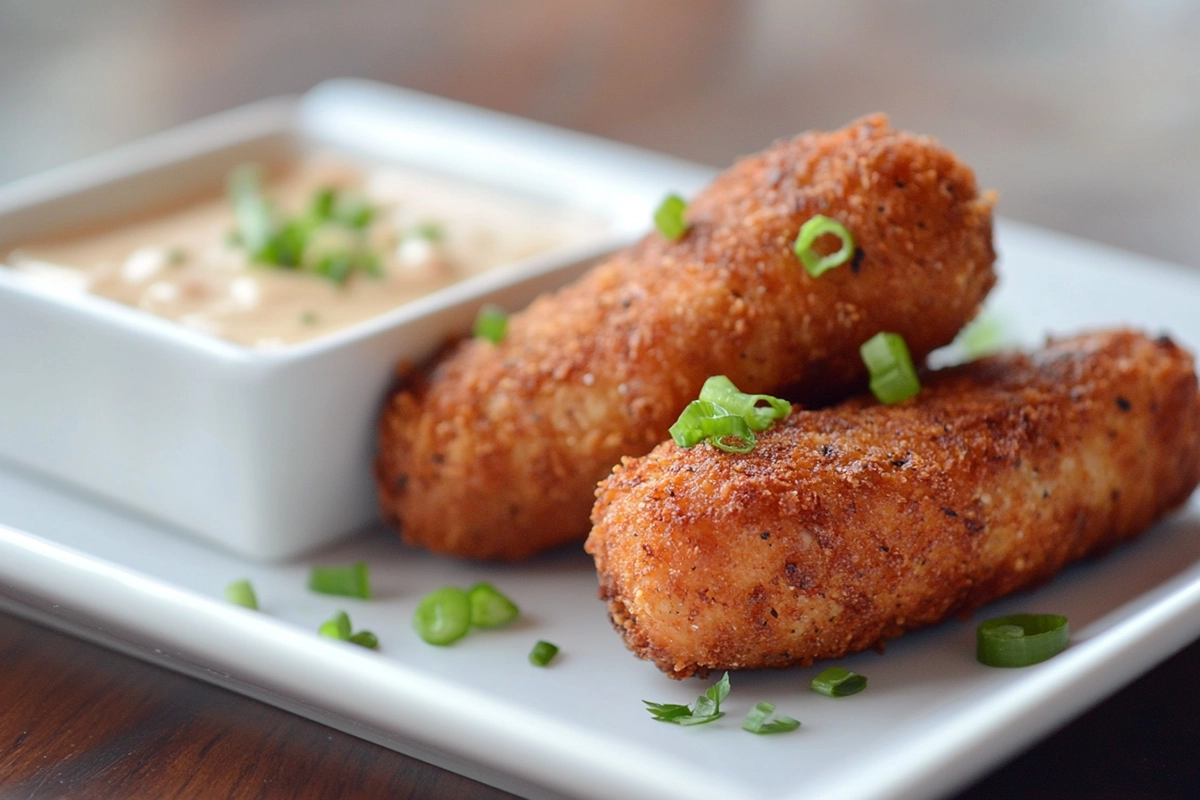
If you’ve ever wondered how to turn a simple can of salmon into something crispy, golden, and mouthwatering, you’re in the right place. Salmon croquettes are more than just patties—they’re a nostalgic, comforting bite wrapped in Southern charm and global appeal.
Whether you’re digging into childhood memories or trying something new, this dish delivers. With countless versions across regions and diets, they’re a budget-friendly, protein-rich favorite that never goes out of style. And the best part? They’re easy enough for beginners yet versatile enough for seasoned home cooks to play around with.
Let’s dive into this savory classic, starting with what exactly salmon croquettes are and how they found their way onto dinner tables around the world.
Introduction
What Are Salmon Croquettes?
Definition and Overview
Salmon croquettes are crispy, pan-fried patties made from salmon, breadcrumbs or flour, eggs, and seasonings. They’re usually shaped into small rounds or ovals and cooked until golden brown. Some call them salmon cakes or salmon patties, but whatever the name, the core idea is the same—transforming flaked fish into crispy perfection.
They’re the kind of dish that hits the sweet spot between comfort food and quick weekday dinner. Best of all, they’re incredibly versatile and easy to whip up with pantry staples.
Historical Background
These tasty little patties didn’t just pop up out of nowhere. They have roots in Southern American cuisine, where canned salmon became a kitchen essential during the early 20th century. Families across the South turned this affordable protein into croquettes that were crisp on the outside, soft on the inside, and full of flavor.
As time passed, salmon croquettes found a place in kitchens around the globe. From French-influenced versions to Caribbean styles bursting with spice, this dish has evolved into something uniquely personal for many cultures.
Popularity and Cultural Significance
Regional Variations
In the Southern United States, these croquettes are often seasoned with onion, bell pepper, and Old Bay. But elsewhere, you’ll find different twists—some add hot peppers or cilantro, while others swap breadcrumbs for cornmeal or flour. In Latin cuisine, you might find them paired with vibrant salsas or creamy sauces.
Up North or across the pond, you’ll see smoked salmon croquettes or ones made with mashed potatoes for an even richer bite. No matter the region, the idea remains: making something hearty and delicious out of modest ingredients.
Salmon Croquettes in Modern Cuisine
Today, salmon croquettes are having a bit of a moment. With more people focused on healthy eating and cost-effective meals, this dish is a go-to. Fresh, canned, or even leftover cooked salmon—you’ve got options.
Restaurants are reimagining them, too, dressing them up with fresh herbs, fancy aiolis, and creative plating. But at home, they remain as comforting as ever, whether you’re eating them with your fingers or layering them on a bed of greens.
Next up: We’ll break down the key ingredients that make salmon croquettes shine and take a closer look at what makes them surprisingly nutritious.
Ingredients and Nutritional Information
Key Ingredients
Salmon
The star of this dish is salmon. You can use fresh, canned, or leftover cooked salmon. Canned salmon is the most common choice. It’s quick, budget-friendly, and full of flavor.
If using fresh salmon, just bake or pan-sear it first. Then, flake it into small pieces. Both wild-caught and farm-raised types work, but wild salmon has a stronger flavor and more nutrients.
Binders and Fillers
To keep your croquettes from falling apart, you need a binder. Eggs are usually the go-to. They help hold the mix together.
You also need a filler. This adds texture and stretches the salmon further. The most common fillers are breadcrumbs, crushed crackers, or flour. Some even use mashed potatoes for a softer inside.
Seasonings and Herbs
Here’s where you add the flavor. Salt and pepper are a must. Onion and garlic bring out a savory depth. Parsley or dill gives it a fresh kick.
Some folks add mustard or hot sauce for tang. Others like a pinch of paprika or cayenne for heat. You can keep it simple or spice it up—it’s all up to you.
Nutritional Profile
Health Benefits of Salmon
Salmon is one of the healthiest proteins you can eat. It’s full of omega-3 fatty acids, which are great for heart and brain health. It’s also rich in protein, vitamin D, and B12.
Even canned salmon retains most of these benefits. Plus, it often contains tiny, edible bones packed with calcium. That’s a bonus many people don’t know about.
Caloric and Nutrient Breakdown
One medium croquette (about 100g) has around:
-
180–250 calories
-
15–20g of protein
-
10–15g of fat (mostly healthy fats)
-
5–10g of carbs (depending on filler)
That’s a good balance. If you’re cutting carbs, you can tweak the recipe by using almond flour or skipping breading altogether.
Whether you’re cooking for health, taste, or both, salmon croquettes offer a great mix of flavor and nutrition. And now that you’ve got the ingredients down, we’re ready to roll into the cooking part—literally.
Classic Salmon Croquettes Recipe
Ingredients List
Detailed List
You don’t need fancy stuff for this. Just simple pantry items. Here’s a basic list:
-
1 can (14–15 oz) of salmon, drained and flaked
-
1 large egg
-
1/4 cup chopped onion
-
1/4 cup chopped green bell pepper (optional)
-
1/2 cup breadcrumbs (or crushed crackers)
-
1 tablespoon mayonnaise or mustard
-
Salt and pepper to taste
-
A pinch of garlic powder or paprika (optional)
-
Oil for frying (vegetable or olive oil works)
You can swap things based on what you have. No mayo? Use a bit of yogurt or even mashed potato. Want more crunch? Use panko instead of regular breadcrumbs.
Step-by-Step Preparation
Preparation Steps
-
Drain the salmon. Remove bones and skin if you like.
-
In a bowl, mix the salmon, egg, onion, pepper, breadcrumbs, and seasonings.
-
Shape into patties. Aim for about 6 small ones or 4 larger ones.
-
Let them chill. Put patties in the fridge for 15–20 minutes. This helps them hold together.
-
Heat oil in a skillet over medium heat.
-
Cook patties. Fry for 3–4 minutes per side until golden brown and crisp.
-
Dry your hands with paper towels. Serve hot.
That’s it. Easy, right?
Cooking Methods
Pan-Frying Techniques and Tips
-
Don’t overcrowd the pan. It makes flipping harder.
-
Medium heat works best. Too hot, and they’ll burn outside but stay raw inside.
-
A non-stick pan or cast iron skillet gives the best crust.
You can also bake or air-fry them if you want a lighter version. But pan-frying gives the crispiest crust.
Serving Suggestions
Accompaniments
These patties go with almost anything. Here are a few great pairings:
-
Mashed potatoes
-
Rice or grits
-
Green salad
-
Steamed veggies
-
Mac and cheese
Want to dip? Try:
-
Tartar sauce
-
Spicy mayo
-
Ranch
-
Yogurt-based dill sauce
Presentation Tips
-
Add chopped parsley on top for color.
-
Serve with lemon wedges. A little squeeze brings out big flavor.
-
Stack patties with greens on a plate or bun for a stylish twist.
This basic recipe is flexible. Once you’ve got the hang of it, you can tweak it any way you like. Next, we’ll look at fun twists and diet-friendly versions that still keep all the flavor.
Variations and Dietary Adaptations
Alternative Ingredients
Substituting Salmon
Don’t have salmon? No worries. You can try:
-
Tuna: canned or fresh
-
White fish: like cod or tilapia, cooked and flaked
-
Mackerel: for a richer flavor
Each fish changes the taste a little, but the method stays the same.
Want to go meat-free? Try mashed chickpeas or jackfruit instead. Add similar spices, and you’ll still get a tasty patty.
Gluten-Free and Low-Carb Options
Need a gluten-free version? Easy.
-
Use gluten-free breadcrumbs or crushed rice crackers.
-
Swap flour for almond flour or oat flour.
Want to cut carbs? Try:
-
Ground flaxseed as a binder
-
Grated zucchini (squeeze out the water first)
-
Coconut flour in small amounts
Skip regular breadcrumbs and keep seasonings simple. You’ll still get crisp edges without the carbs.
Cooking Methods
Baking
Baking gives you a lighter version. Here’s how:
-
Preheat the oven to 400°F (200°C).
-
Line a tray with parchment paper.
-
Spray or brush patties with a bit of oil.
-
Bake for 10–12 minutes per side until golden.
They won’t be as crisp as fried, but they’re still delicious.
Air Frying
Air fryers make them crispy with less oil. Here’s what to do:
-
Spray the basket lightly with oil.
-
Place patties inside without overlapping.
-
Air fry at 375°F (190°C) for 10–12 minutes, flipping halfway.
They’ll be golden and crunchy, just like fried ones—minus the grease.
These swaps make it easy to fit salmon croquettes into almost any diet. Gluten-free, low-carb, or plant-based, there’s a version for everyone. Up next: let’s share some pro tips and clever tricks to help you make perfect croquettes every time.
Tips and Tricks for Perfect Croquettes
Common Mistakes to Avoid
Binding Issues
Croquettes can fall apart. But don’t stress—there’s a fix.
-
Make sure you use enough binder, like egg or mayo.
-
If the mix feels too wet, add more breadcrumbs.
-
Let them chill in the fridge for at least 15 minutes before cooking. It helps them stay firm.
Still too soft? Shape smaller patties. They hold up better in the pan.
Flavor Balancing
Too bland? Too salty? Finding the right balance is key.
-
Taste the mix before adding the egg.
-
Add a bit of mustard, hot sauce, or lemon juice for zing.
-
Keep seasoning simple—salt, pepper, and herbs are enough.
You can always add more, but you can’t take it out once it’s in.
Expert Recommendations
Chef Insights
Even pros keep it simple. Here’s what some chefs suggest:
-
Use fresh herbs when possible. It makes a big difference.
-
Don’t overmix the patties. Gentle hands make softer croquettes.
-
Let the patties rest after cooking. The flavor settles in as they cool a little.
Home Cook Experiences
Home cooks have great tips, too:
-
Leftovers? Freeze uncooked patties between wax paper.
-
Make mini croquettes for kids or parties.
-
Double the batch. Eat some now and save some for later.
Little tweaks like these can make your croquettes even better.
Now you’ve got all the tricks to make crispy, tasty salmon croquettes every time. Let’s clear up some common questions people ask about them.
Frequently Asked Questions (FAQ)
Can I use fresh salmon instead of canned?
Yes, you can.
Just cook the fresh salmon first. Bake, steam, or pan-fry it. Then, flake it into small pieces. You’ll need about the same amount as one large can—roughly 1½ cups.
Make sure it’s not too wet. Pat it dry if needed. Fresh salmon has a milder flavor and a soft texture.
How do I prevent my croquettes from falling apart?
The key is balance.
Use enough binder—like one egg per can of salmon. Add breadcrumbs to soak up moisture. Don’t skip chilling. Let the patties sit in the fridge for 15–30 minutes before cooking.
If they still fall apart, try shaping smaller patties. They’re easier to handle and flip.
Are salmon croquettes suitable for freezing?
Yes, they freeze well.
Shape the patties and lay them on a tray. Freeze until firm. Then, move them to a freezer bag. Use within 2 months for best taste.
To cook from frozen, add a few extra minutes in the pan or oven. No need to thaw it first.
What sauces pair well with salmon croquettes?
There are lots of great choices.
Try:
-
Tartar sauce
-
Spicy mayo
-
Garlic yogurt dip
-
Creamy dill sauce
-
Honey mustard
You can even mix your sauce. Start with mayo or yogurt, then add lemon, garlic, or herbs.
Can I bake salmon croquettes instead of frying them?
Yes, baking is a great option.
It uses less oil but still gives a crisp texture. Set the oven to 400°F (200°C). Bake on a lined tray. Flip halfway through. They’re done in about 20–25 minutes.
For extra crispiness, spray the pan lightly with oil before baking.
These quick answers clear up the most common questions. Still curious? Keep experimenting—there’s no wrong way to enjoy salmon croquettes. Let’s wrap it all up next.
Conclusion
Recap of Key Points
Salmon croquettes are easy, tasty, and full of flavor. You can use canned or fresh salmon. Mix it with simple ingredients like eggs, breadcrumbs, and seasonings. Then, shape and cook.
They work for quick meals, parties, or make-ahead dinners. You can fry, bake, or air fry them. Add your favorite herbs or spices to make them your own.
They’re healthy, too—full of protein, omega-3s, and nutrients.
Encouragement to Experiment
Once you learn the basics, it’s fun to try new things.
Change the fillings. Add veggies. Try new dips. Make them mini or jumbo. Keep it classic or give it a twist.
They’re flexible and forgiving. Don’t worry if it’s not perfect. Just enjoy the process.
So grab a can of salmon and get cooking. You’re just a few steps away from a crispy, golden bite of comfort.
Print
Salmon Croquettes: A Crispy Delight Packed with Flavor
- Total Time: 35 minutes
- Yield: 4–6 patties 1x
Description
Salmon croquettes are crispy, golden-brown patties made from salmon mixed with breadcrumbs, eggs, and flavorful seasonings. This dish combines nostalgic Southern comfort with versatility, making it perfect for quick dinners or special occasions.
Ingredients
- 1 can (14–15 oz) salmon, drained and flaked
- 1 large egg
- 1/4 cup chopped onion
- 1/4 cup chopped green bell pepper (optional)
- 1/2 cup breadcrumbs (or crushed crackers)
- 1 tablespoon mayonnaise or mustard
- Salt and pepper, to taste
- Pinch of garlic powder or paprika (optional)
- Oil for frying (vegetable or olive)
Instructions
- Drain salmon and remove bones and skin if desired.
- In a bowl, combine salmon, egg, onion, bell pepper, breadcrumbs, mayonnaise or mustard, and seasonings.
- Form mixture into 4–6 patties.
- Refrigerate patties for 15–20 minutes to firm.
- Heat oil in a skillet over medium heat.
- Fry patties for 3–4 minutes per side until golden brown.
- Drain on paper towels and serve warm.
Notes
Chilling the patties helps them hold their shape during frying.
Patties can be baked at 400°F (200°C) for a healthier option.
Serve with tartar sauce, spicy mayo, or lemon wedges.
- Prep Time: 25 minutes
- Cook Time: 10 minutes
- Category: Main Dish, Appetizer
- Method: Pan-frying
- Cuisine: American (Southern)