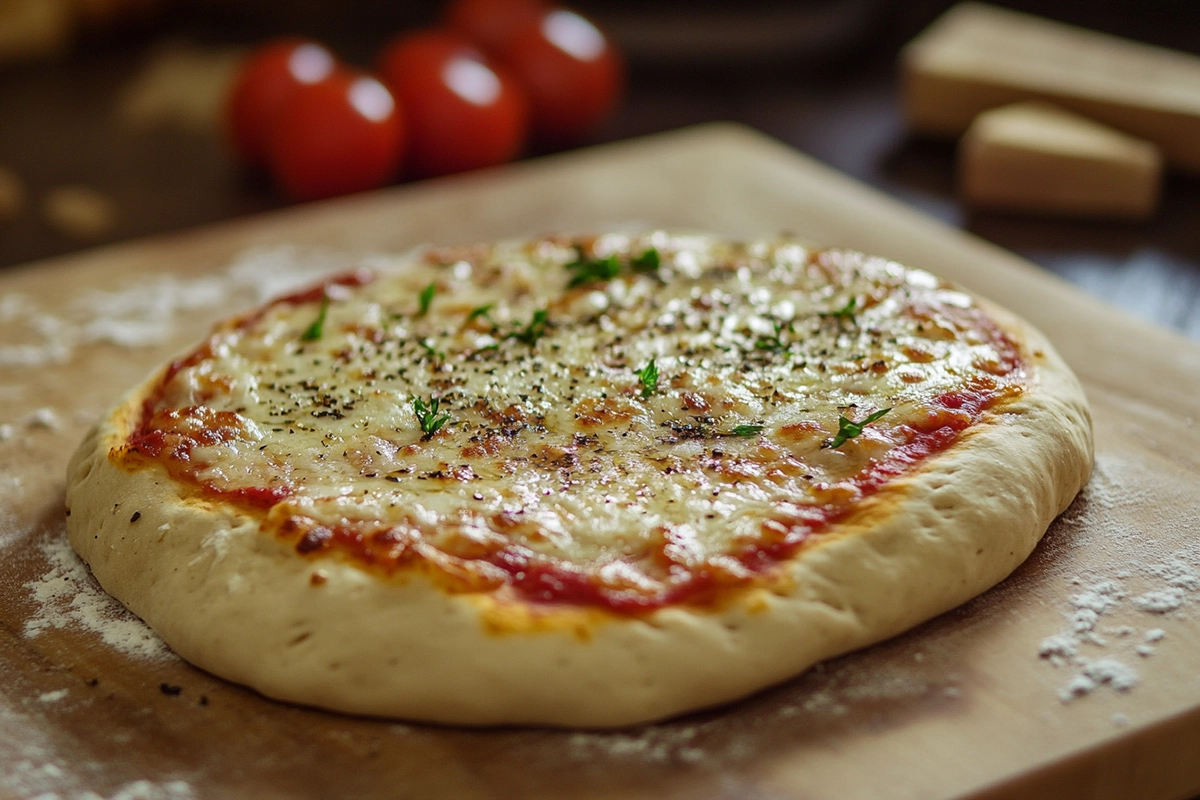
Pizza is a worldwide obsession—crispy crusts, soft centers, and that perfect chew that makes every bite heavenly. But let’s be real: the foundation of a great pizza is the dough. It’s the soul of the pie, the game-changer between a mediocre slice and a mind-blowing one.
Many home cooks struggle to get that ideal texture—sometimes it’s too dense, other times too dry, and often just… meh. But guess what? You don’t need a fancy brick oven or a culinary degree to make restaurant-quality pizza at home. You just need the right dough recipe and a little know-how.
That’s where this guide comes in. We’re breaking down everything—ingredient selection, kneading techniques, fermentation secrets, and pro baking tips—to ensure your pizza dough turns out perfect every time.
The Quest for Perfect Pizza Dough
Why the Right Dough Matters
You wouldn’t build a house on a weak foundation, right? Well, the same goes for pizza. The dough determines everything—the crispiness, the airiness, the chew. A bad dough? That’s a bad pizza, no matter how fancy your toppings are.
The perfect pizza dough strikes a delicate balance:
Crispy yet tender
Chewy but not rubbery
Light with a touch of richness
So, how do we achieve this perfection? Simple: understanding the science behind the dough.
The Science of Pizza Dough
Making perfect pizza dough isn’t just about mixing ingredients—it’s chemistry. But don’t worry, you don’t need a PhD to nail this. Just a few basic principles:
1. Gluten Development: The Key to Elasticity
Ever wondered why pizza dough stretches but doesn’t tear? That’s thanks to gluten, a protein network formed when water meets flour. Kneading strengthens this network, giving the dough that iconic stretch and chew.
2. Yeast Fermentation: The Secret to Flavor
Yeast is alive, and when it ferments, it releases carbon dioxide. This process makes the dough rise and creates those delicious air pockets inside the crust. The longer the fermentation, the deeper the flavor.
3. Hydration Levels: More Water, Better Crust
Hydration—how much water is in the dough—affects everything. More water means a lighter, airier crust. Too little? You’ll end up with a dense, bread-like pizza.
Essential Ingredients for Perfect Pizza Dough
Before we get into mixing and kneading, let’s talk about the building blocks of pizza dough. Each ingredient plays a critical role:
| Ingredient | Why It Matters |
|---|---|
| Flour | Provides structure and elasticity. High-protein flours like bread flour create a chewier texture. |
| Water | Hydrates the flour, activating gluten and yeast. The temperature of the water affects fermentation speed. |
| Yeast | The magic behind fermentation. It makes the dough rise and enhances flavor. |
| Salt | Not just for taste—it also strengthens gluten, controls fermentation, and balances flavors. |
| Olive Oil | Adds richness, improves texture, and prevents dryness. |
Pro Tip: Use high-quality flour like 00 flour for an ultra-soft yet crispy crust. It’s a game-changer.
What Makes This Recipe Foolproof?
So, what sets this pizza dough recipe apart?
Balanced Hydration: Enough water for airiness without making the dough sticky.
Cold Fermentation Option: Letting the dough rest in the fridge supercharges the flavor.
Tried-and-Tested Technique: No guesswork—just results.
Mastering pizza dough is a mix of art and science, but once you understand these basics, you’re well on your way to homemade pizza greatness.
Next, we’ll dive into the exact measurements, mixing techniques, and expert tricks for creating flawless pizza dough every single time.
Stay tuned!
Understanding Pizza Dough Fundamentals
The Science Behind Pizza Dough
Pizza dough seems simple. Just mix flour, water, yeast, and salt, right? Well, not exactly. The real magic happens when these ingredients interact.
1. Gluten Formation: Flour contains protein. When mixed with water, it forms gluten. This gives dough its stretchy texture. Strong gluten means a chewy, elastic crust.
2. Yeast Fermentation: Yeast is a living organism. It eats sugars in the flour and releases carbon dioxide. This makes the dough rise and adds flavor.
3. Hydration: More water makes a softer dough. Less water creates a firmer crust. A proper balance keeps the dough light but not too sticky.
The Role of Each Ingredient
Each ingredient plays a role. Get them right, and you’ll have perfect pizza dough.
- Flour: Provides structure. Bread flour gives a chewier crust. All-purpose flour makes it softer.
- Water: Activates gluten and yeast. Warm water (around 100°F) helps yeast grow.
- Yeast: Makes the dough rise. Instant yeast works fast. Active dry yeast needs activation.
- Salt: Strengthens gluten and controls yeast activity. It also enhances flavor.
- Olive Oil: Adds moisture and richness. Helps create a tender texture.
Pro Tip: Want extra flavor? Use a pre-ferment like Biga or Poolish. These are small batches of dough fermented overnight for better taste.
Understanding these basics helps you avoid common mistakes. Now, let’s talk about exact ingredient measurements and the best techniques for making dough.
Step-by-Step Guide to Making Perfect Pizza Dough
Ingredients and Measurements
Before mixing, gather your ingredients. Use precise measurements for the best results.
| Ingredient | Amount |
|---|---|
| Bread Flour | 500g (3 1/4 cups) |
| Water | 325g (1 1/3 cups) at 100°F |
| Active Dry Yeast | 2 1/4 tsp (1 packet) |
| Salt | 2 tsp |
| Olive Oil | 2 tbsp |
Why These Ingredients?
- Flour: Gives structure. Bread flour makes it chewy.
- Water: Helps gluten develop. Warmer water speeds up yeast activation.
- Yeast: Makes the dough rise. More yeast means faster fermentation.
- Salt: Enhances flavor. It also controls yeast activity.
- Olive Oil: Keeps the dough soft. It adds a hint of richness.
Mixing and Kneading
- Activate the Yeast: Mix yeast with warm water. Let it sit for 5-10 minutes. It should get foamy.
- Combine Ingredients: In a large bowl, mix flour and salt. Add the yeast mixture and olive oil.
- Mix the Dough: Use a spoon or your hands. Stir until everything comes together. The dough will be shaggy.
- Knead the Dough: Move to a floured surface. Press, fold, and turn the dough for 8-10 minutes. It should feel smooth and slightly elastic.
Pro Tip: If the dough is too sticky, add a little flour. If it’s too dry, add a few drops of water.
Fermentation and Rising
- First Rise: Put the dough in a greased bowl. Cover it with a damp cloth. Let it rise for 1-2 hours at room temperature. It should double in size.
- Cold Fermentation (Optional): For more flavor, place the dough in the fridge for 24-72 hours. This slows yeast activity and develops taste.
- Check Readiness: Press the dough with a finger. If it slowly springs back, it’s ready. If it stays indented, let it rise longer.
Pro Tip: Cold fermentation gives a deeper flavor. Try it if you have time!
Shaping and Stretching
- Divide the Dough: Cut it into portions. Each one should make a 12-inch pizza.
- Pre-shape: Roll each piece into a ball. Let it rest for 15-20 minutes.
- Stretch the Dough: Press the dough from the center outward. Use your hands, not a rolling pin. This keeps air bubbles inside.
Pro Tip: If the dough keeps shrinking, let it rest for 10 more minutes. This relaxes the gluten.
Now that your dough is ready, let’s talk about baking techniques for the perfect crust!
Baking Techniques for the Perfect Crust
Oven Setup and Temperature
A hot oven is key to a great crust. The hotter, the better!
- Preheat the Oven: Set it to the highest temperature (usually 500°F). Let it heat for at least 30 minutes.
- Use a Pizza Stone or Steel: These retain heat, giving you a crispier crust. Place it on the lowest rack before preheating.
- Prepare the Baking Surface: If you don’t have a stone, use an upside-down baking sheet. It works well in a pinch!
Pro Tip: A pizza stone helps mimic a wood-fired oven. It absorbs moisture and makes the bottom crispy.
Transferring and Baking
- Prepare the Pizza Peel: Sprinkle flour or cornmeal on a pizza peel or baking sheet. This keeps the dough from sticking.
- Add Toppings Quickly: Work fast! Too much sauce can make the dough soggy.
- Transfer to the Oven: Slide the pizza onto the hot stone or baking sheet.
- Bake: Let it cook for 10-12 minutes. The crust should be golden, and the cheese should be bubbly.
Pro Tip: Rotate the pizza halfway through for even baking.
A well-baked crust makes all the difference. Now, let’s fix common pizza dough problems!
Troubleshooting Common Pizza Dough Issues
Dough Not Rising
If your dough stays flat, something goes wrong. Here’s why:
Possible Causes:
- Dead Yeast: Expired yeast won’t work. Always check the date.
- Wrong Water Temperature: Too hot kills yeast. Too cold slows rising. Aim for 100°F.
- Not Enough Time: Dough needs at least 1-2 hours to rise. Be patient!
Solutions:
- Test Yeast First: Mix yeast with warm water and a pinch of sugar. If it doesn’t bubble in 10 minutes, it’s dead.
- Use Fresh Yeast: Always store yeast in the fridge.
- Let It Rise Longer: If it’s cold in your kitchen, rising may take more time.
Dough Tearing During Shaping
If your dough rips, it’s too weak or too cold.
Possible Causes:
- Not Enough Kneading: Gluten isn’t strong enough.
- The dough is Too Cold: Cold dough is stiff and hard to stretch.
- Too Dry: Not enough hydration makes the dough tough.
Solutions:
- Knead Properly: Work the dough for 8-10 minutes to build elasticity.
- Let It Warm Up: If refrigerated, leave it at room temp for 30 minutes before shaping.
- Add More Water: If the dough is crumbly, mix in a few drops of water.
Pro Tip: If shaping is hard, let the dough rest. Relaxed dough stretches more easily!
Now that we’ve solved these problems, let’s make your dough even better!
Enhancing Flavor and Texture
Incorporating Pre-Ferments
Want a richer taste? Use a pre-ferment! This is a small batch of dough that ferments before mixing with the main dough.
Types of Pre-Ferments:
- Poolish: A wet, bubbly starter made with equal parts flour and water.
- Biga: A thicker, drier pre-ferment that adds chewiness.
How to Make a Simple Poolish:
- Mix ½ cup flour, ½ cup water, and ⅛ tsp yeast in a bowl.
- Cover and let sit at room temperature for 12-16 hours.
- Add it to your main dough recipe.
Pro Tip: Pre-ferments add a deep, slightly tangy flavor. Worth the wait!
Hydration Levels
The amount of water in your dough affects texture. More water = a softer crust.
Hydration Guide:
- 50-55% Hydration: Firmer, crispier crust.
- 60-65% Hydration: Balanced chew and crisp.
- 70%+ Hydration: Airy, soft crust (tricky to handle).
How to Adjust:
- Want a softer dough? Add a little more water.
- Too sticky? Dust with a bit of flour, but don’t overdo it.
🔹 Pro Tip: Higher hydration makes dough harder to shape. Use a dough scraper to help!
By tweaking these factors, you can make your pizza even better! Next, let’s explore fun dough variations.
Variations of Pizza Dough
Neapolitan Pizza Dough
Neapolitan pizza is famous for its light, airy crust. It has a crispy edge and soft center.
Key Features:
Uses 00 flour for a soft texture.
No oil or sugar.
Requires high heat (800°F or more).
Basic Recipe:
- 500g 00 flour
- 325g water (65% hydration)
- 2 tsp salt
- ¼ tsp yeast
How to Make It:
- Mix ingredients and knead for 10 minutes.
- Let rise for 8-24 hours at room temp.
- Shape and bake in a super-hot oven.
Pro Tip: A pizza stone helps mimic the heat of a real pizza oven.
Thin-Crust Pizza Dough
Prefer a crispy, cracker-like crust? Try this version!
Key Features:
Less yeast for minimal rise.
Lower hydration for a firmer texture.
Bakes quickly at high heat.
Basic Recipe:
- 250g flour
- 125g water (50% hydration)
- 1 tsp salt
- ½ tsp yeast
- 1 tbsp olive oil
How to Make It:
- Mix and knead until smooth.
- Let rest for 30 minutes.
- Roll out thin and bake at 500°F.
Pro Tip: Dock (poke) the dough with a fork to prevent bubbles.
These variations let you customize your pizza. Now, let’s look at the best pairings!
Perfect Pairings for Your Pizza
Best Sauces for Your Crust
A great crust needs a tasty sauce. The right sauce brings out the flavors of your dough.
Top Choices:
Classic Tomato Sauce – Simple, fresh, and slightly tangy.
Garlic Olive Oil – Light and fragrant, perfect for white pizzas.
Pesto Sauce – Herby and nutty, adds a bold twist.
BBQ Sauce – Sweet and smoky, great for a unique flavor.
Pro Tip: Avoid using too much sauce. A thin layer prevents a soggy crust.
Best Cheeses for Pizza
Cheese makes pizza irresistible. Some melt better than others.
Top Choices:
Mozzarella – The classic choice. Melts beautifully.
Parmesan – Adds a sharp, nutty taste. Best as a topping.
Cheddar – Bold and tangy. Great for extra flavor.
Ricotta – Soft and creamy. Perfect for white pizzas.
Pro Tip: Blend cheeses for more depth. Try mozzarella + parmesan for balance!
Toppings That Work Best
Toppings can make or break your pizza. Balance is key!
Best Combos:
Pepperoni + Mozzarella + Tomato Sauce – A classic favorite.
Mushrooms + Garlic + Ricotta – Earthy and creamy.
Spinach + Feta + Olives – Fresh and salty, Greek-style.
Chicken + BBQ Sauce + Red Onions – Sweet, smoky, and delicious.
Pro Tip: Don’t overload your pizza. Too many toppings make the crust soggy.
With the right pairings, your pizza will taste amazing. Now, let’s answer some common questions!
Frequently Asked Questions (FAQs)
Why is my pizza dough too sticky?
Sticky dough can be tricky to handle. Here’s why it happens:
Possible Causes:
Too much water in the dough.
Not enough flour while kneading.
Warm temperatures make the dough softer.
How to Fix It:
Add a little flour, one tablespoon at a time.
Lightly flour your hands and surface.
Let the dough rest. Gluten strengthens as it sits.
Pro Tip: Avoid adding too much flour! It can make the dough dry and tough.
Why is my pizza crust too hard?
A rock-hard crust ruins the experience. The problem? Too little moisture or overbaking.
Possible Causes:
Overbaking at a low temperature.
Not enough hydration in the dough.
Using too much flour while shaping.
How to Fix It:
Bake at a high temp (500°F or more).
Increase water slightly for a softer dough.
Avoid excess flour when rolling out.
Pro Tip: Brushing olive oil on the crust before baking keeps it tender.
Can I freeze pizza dough?
Yes! Freezing dough saves time and still gives great results.
How to Freeze It:
After the first rise, divide the dough into portions.
Wrap tightly in plastic wrap, then place in a freezer bag.
Store for up to 3 months.
How to Use Frozen Dough:
Thaw in the fridge overnight.
Let it sit at room temp for 30 minutes before shaping.
Pro Tip: Always let frozen dough fully rise before baking for the best texture.
With these tips, your pizza dough will turn out perfect every time!
Final Tips
Bringing It All Together
Making perfect pizza dough is easier than it seems. Follow the right steps, use good ingredients, and be patient. A great pizza starts with great dough!
Key Takeaways:
Use high-quality flour for the best texture.
Knead dough properly to develop gluten.
Let it rise slowly for better flavor.
Bake at high heat for a crispy crust.
Final Pro Tips for Success
Want even better results? Try these expert tricks!
Use a pizza stone – It mimics a real pizza oven.
Cold ferment the dough – Let it rest in the fridge for deeper flavor.
Don’t overload with toppings – Too much can make it soggy.
Experiment with hydration – More water creates a softer, airier crust.
Pro Tip: Keep practicing! Dough improves as you get used to handling it.
Time to Make Your Own!
Now you have everything you need. It’s time to make your own pizza dough! Gather your ingredients, follow the steps, and enjoy homemade pizza that rivals any restaurant.
Have questions or tips of your own? Share them in the comments! Let’s make pizza night amazing.
Your Pizza Journey Starts Now!
Now you have everything you need. Start making perfect pizza dough today! Follow the steps, use the best ingredients, and enjoy homemade pizza.
Have tips or questions? Drop them in the comments! Let’s make every pizza night amazing!
Final Thoughts & Call to Action
You Can Master Pizza Dough!
Making pizza dough takes practice. But with the right steps, you’ll get better each time. Start simple. Follow the recipe. Adjust as needed.
Quick Recap:
Use high-quality flour for the best texture.
Knead well to build strong gluten.
Let the dough rise slowly for rich flavor.
Bake at high heat for a crispy crust.
Pro Tip: Try different flour types and hydration levels to find your perfect dough.
Join the Pizza-Making Community!
Have questions? Want to share your success? Join others who love making pizza!
Leave a comment with your results.
Share this guide with friends and family.
Try new toppings and techniques to keep improving.
Making great pizza at home is fun. The more you bake, the better you get!
Ready to Bake? Let’s Go!
It’s time to put your skills to the test. Grab your ingredients, follow the steps, and enjoy homemade pizza that’s better than takeout!
Got any tips or questions? Drop them below! Let’s make every pizza night special.
Print
The Secret to Perfect Pizza Dough: A Step-by-Step Guide
- Total Time: 1 hour 45 minutes
- Yield: 2 medium pizzas 1x
- Diet: Vegetarian
Description
This Perfect Pizza Dough is easy to make, soft, and chewy with a perfectly crisp crust. Whether you’re making a classic Margherita or a custom pizza with all your favorite toppings, this dough provides the perfect base. It’s a versatile recipe that works for thin crust, thick crust, or even for making breadsticks!
Ingredients
- 2 ¼ tsp active dry yeast (1 packet)
- 1 ½ cups warm water (110°F/43°C)
- 1 tsp sugar
- 3 ½ cups all-purpose flour
- 2 tbsp olive oil (plus extra for greasing)
- 1 ½ tsp salt
- 1 tsp Italian seasoning (optional, for extra flavor)
Instructions
-
Activate the Yeast:
- In a small bowl, combine warm water and sugar. Stir until the sugar dissolves.
- Sprinkle the yeast over the top of the water and stir gently. Let it sit for about 5 minutes, or until the mixture becomes frothy and bubbly.
-
Mix the Dough:
- In a large bowl, combine flour, salt, and Italian seasoning (if using).
- Make a well in the center and pour in the yeast mixture and olive oil.
- Mix with a spoon or your hands until a rough dough forms.
-
Knead the Dough:
- Turn the dough onto a lightly floured surface and knead for about 8-10 minutes until smooth and elastic. You can also knead it in a stand mixer with a dough hook on medium speed for about 5-7 minutes.
- If the dough is too sticky, add a little flour at a time. If it’s too dry, add a bit more water (1 tbsp at a time).
-
First Rise:
- Lightly oil a large bowl and place the dough in it, turning it once to coat the dough in the oil.
- Cover with a damp towel or plastic wrap and let it rise in a warm place for about 1-1.5 hours, or until it doubles in size.
-
Shape the Dough:
- Punch down the dough and turn it onto a lightly floured surface.
- Divide the dough into 2 equal portions for two pizzas or leave it as one large portion for a thick-crust pizza.
- Roll out the dough to your desired thickness. You can use your hands to stretch the dough if you prefer a more rustic, hand-tossed style.
-
Preheat the Oven:
- Preheat your oven to 475°F (245°C) and, if you have one, place a pizza stone inside to heat up.
-
Assemble & Bake:
- Place the shaped dough on a pizza peel or baking sheet lined with parchment paper. Add your favorite sauce, cheese, and toppings.
- Bake for 10-12 minutes or until the crust is golden and the cheese is bubbling and slightly browned.
-
Serve & Enjoy:
- Let the pizza cool slightly before slicing and serving. Enjoy the crispy, chewy perfection of your homemade pizza!
Notes
- If you prefer, you can make the dough ahead of time and refrigerate it for up to 3 days. Just make sure to let it come to room temperature before rolling it out.
- For a crisper crust, bake your pizza on a preheated pizza stone or baking steel.
- This dough can also be used for calzones or breadsticks.
- Prep Time: 15 minutes
- Rising Time: 1.5 hours
- Cook Time: 10-12 minutes
- Category: Main Course
- Method: Baking
- Cuisine: Italian